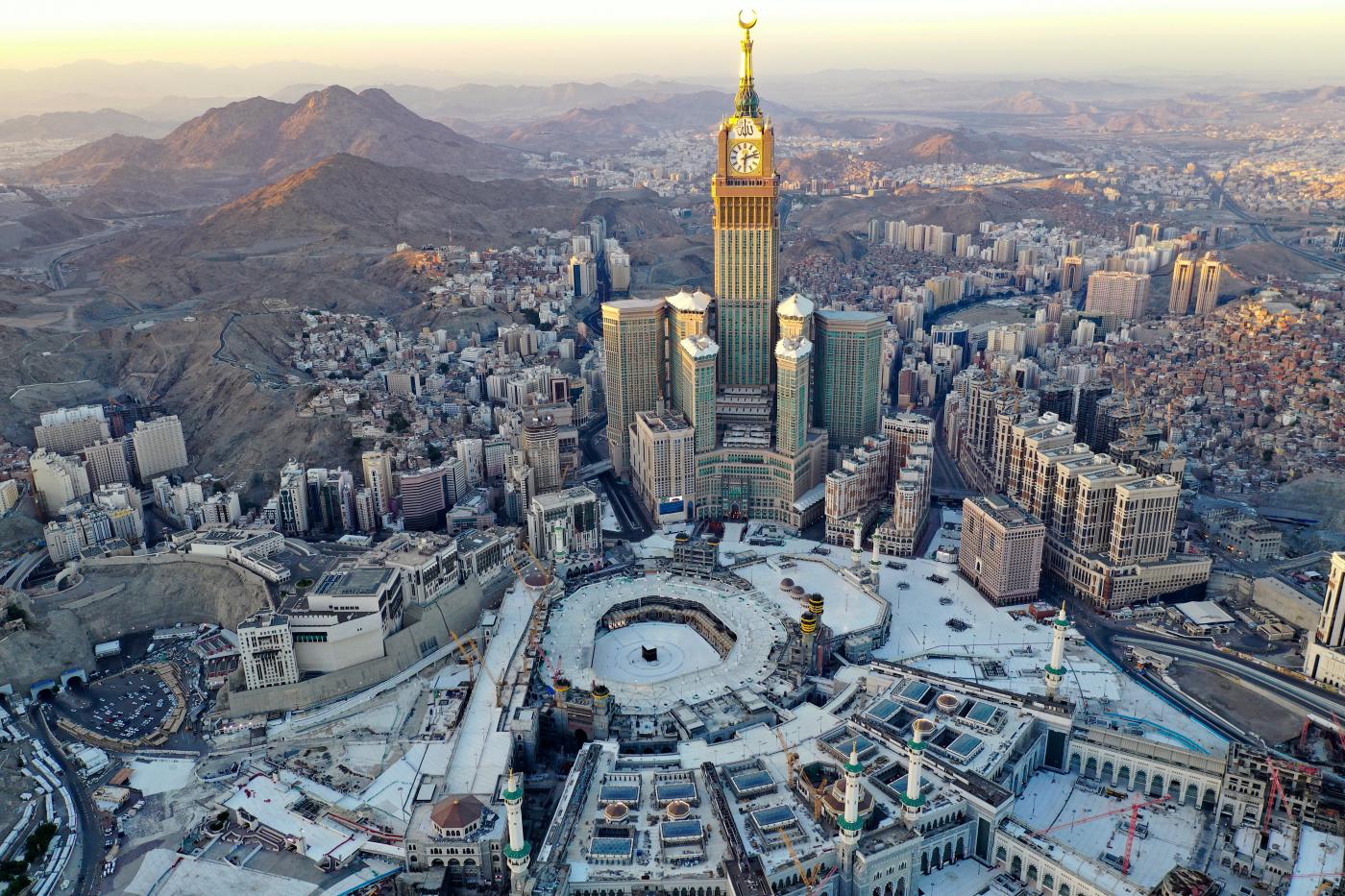
Regardless of where they come from or what their ancestral roots might be, the people of Saudi Arabia share two defining characteristics that unite them: they speak Arabic, and they are followers of the Islamic faith. These two pillars of identity shape nearly every layer of Saudi life. Saudis are deeply proud people, guided by a strong sense of personal honor and national dignity. The warmth of their hospitality is famous around the world—visitors are often welcomed with open arms, endless cups of coffee, and a level of generosity that stems from ancient Bedouin traditions rather than mere politeness.
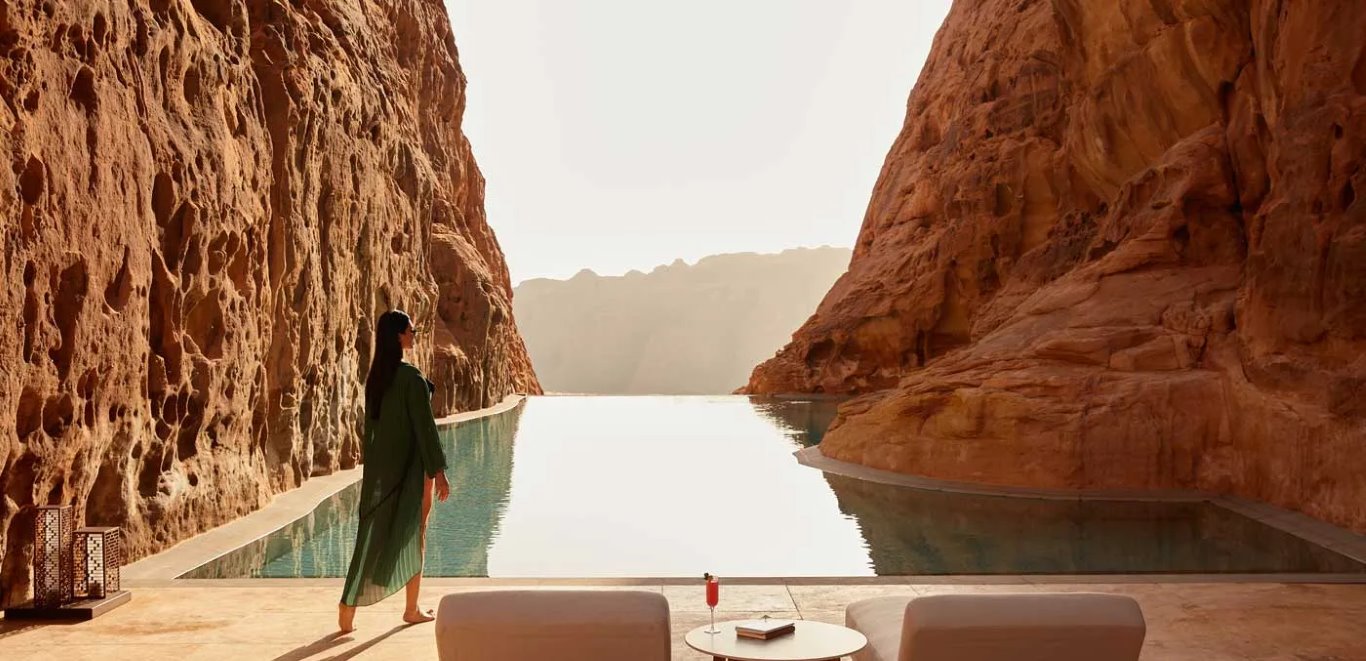

Traveling through Saudi Arabia doesn’t have to feel like a luxury-only experience. Beneath the polished skyscrapers and modern developments, the country has a quieter, more accessible side that many visitors only discover once they’re already there. Streets lined with small bakeries, local markets where prices barely nudge your wallet, families gathering in parks at sunset, and old neighborhoods where daily life moves at an easy pace — these are the moments that reveal how affordable Saudi Arabia can be if you know where to look.

Saudi Arabia’s culinary world is shaped by desert traditions, coastal influences, and generations of family cooking where recipes are passed down quietly, without written notes. The food here feels grounding and generous, built around the idea that a meal is something to be shared rather than rushed. When you travel through the country, you notice how central food is to daily life — people sitting together over large rice dishes, groups gathering in cafés for late-night tea, families visiting bakeries just before sunset, and street vendors preparing snacks with practiced ease that comes from doing it every day for years.

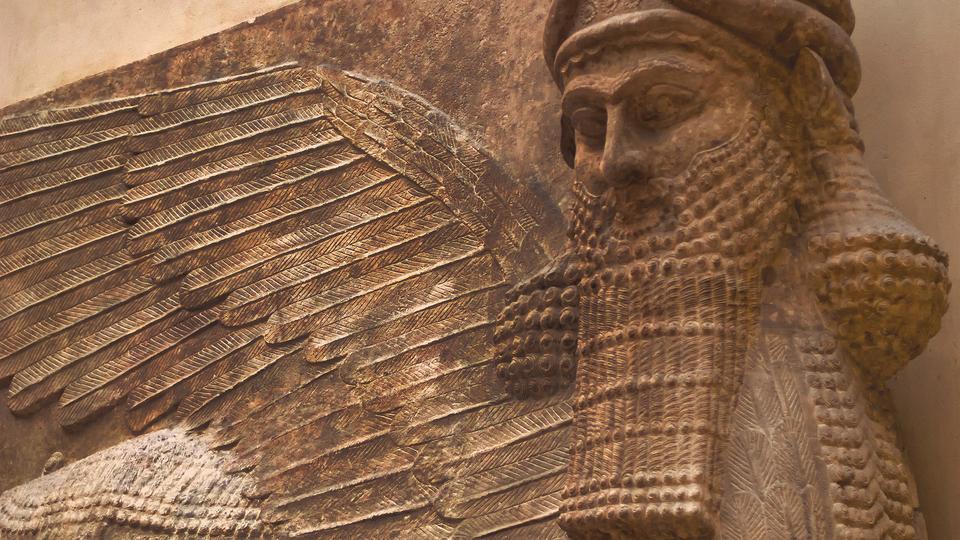
The Persian Empire was not a single kingdom but a magnificent succession of empires that ruled the vast Iranian plateau—known as Irān, the “Land of the Aryans”—and stretched far beyond it. The earliest known Persian dynasty, the Achaemenids (648–330 BCE), united various Aryan tribes under one banner and built the first truly great empire of Iran. This empire, which began in what is now Fars Province, rose under the vision and leadership of Cyrus the Great, whose name still echoes through history as one of the most admired rulers of the ancient world.

Western historians often refer collectively to all pre-1935 Iranian dynasties as the “Persian Empire.” But the Persian story is much more than a label; it’s a chronicle of human ambition, innovation, and cultural achievement that shaped much of the ancient world.

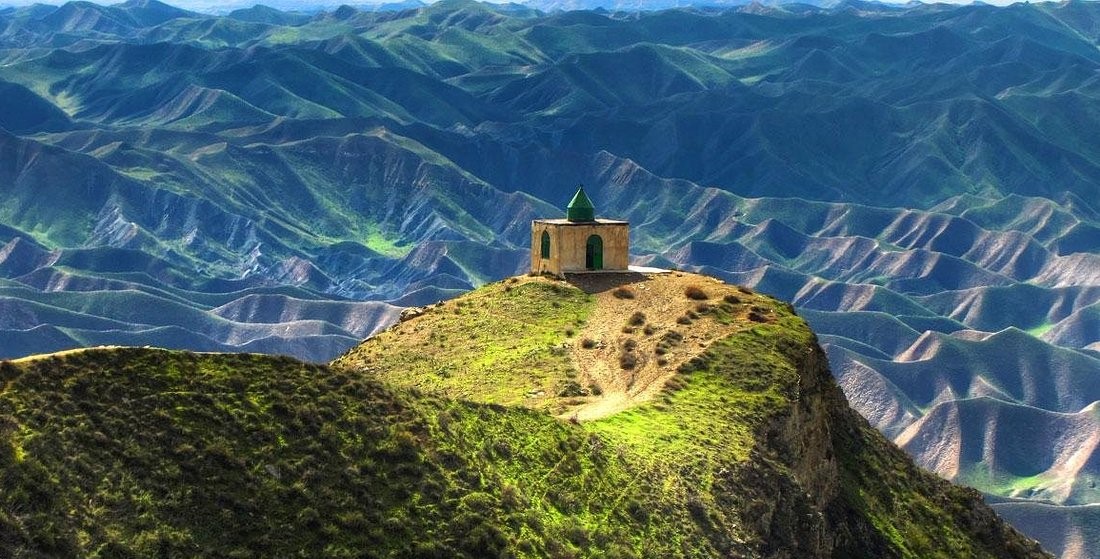
Iran is a country that seems to stretch endlessly, a land where every direction leads to something unexpected — from icy peaks brushing the clouds to sun-baked plains that shimmer under golden light. No matter how unusual or specific your taste in landscapes may be, Iran somehow satisfies it all. Its vastness hides a diversity of nature that can easily rival entire continents.

With a four-season climate, the country invites travelers to witness snow-covered mountains and tropical coastlines all within the same journey. It’s one of the few places on Earth where you can climb a frosty summit in the morning and dip your toes in the Persian Gulf before nightfall. This balance of extremes gives Iran a special charm for adventurers — whether you crave alpine trekking, desert solitude, or lush green valleys. Each short domestic flight or even a few hours’ drive can transport you into an entirely new world.

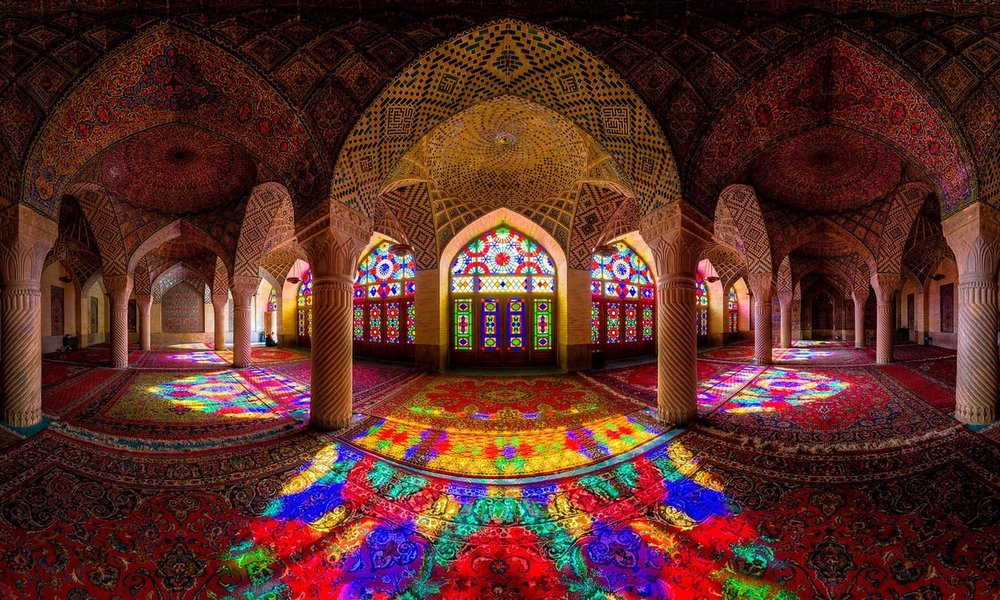
Iran is one of those rare destinations that feels like a living museum — a vast land where history, art, and breathtaking landscapes merge into a single unforgettable experience. Despite its rich culture and unmatched hospitality, the beauty of Iran is still greatly underappreciated on the global stage. Those who’ve never stepped foot here often only know the country through headlines, missing its soul — the warmth of its people, the astonishing architecture, and the deeply layered stories whispered through every ancient stone.