

In The Spotlight
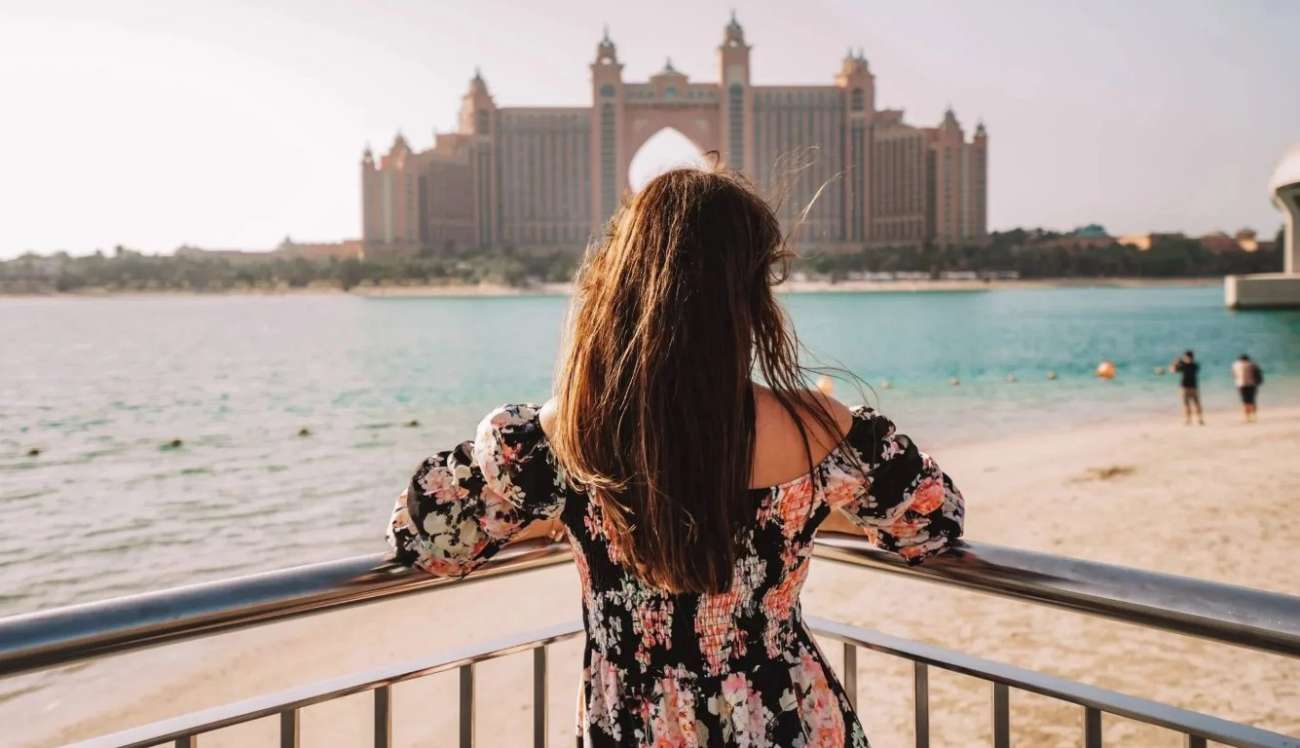
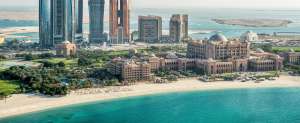
Visiting the United Arab Emirates for the first time feels like stepping into a place where old traditions and modern ambition sit side by side. You can walk through a historic souk in the morning, explore a futuristic skyline in the afternoon, and end the day with a calm desert sunset where everything slows down. The UAE blends cultures from all over the world, creating a place that feels welcoming even to travelers who have never been to the Middle East before. Streets are clean, transportation is straightforward, food is diverse, and people are used to visitors, which makes it an easy and comfortable country to explore. Still, the UAE has its own rhythm, climate, customs, and small details that can make your trip smoother when you understand them.
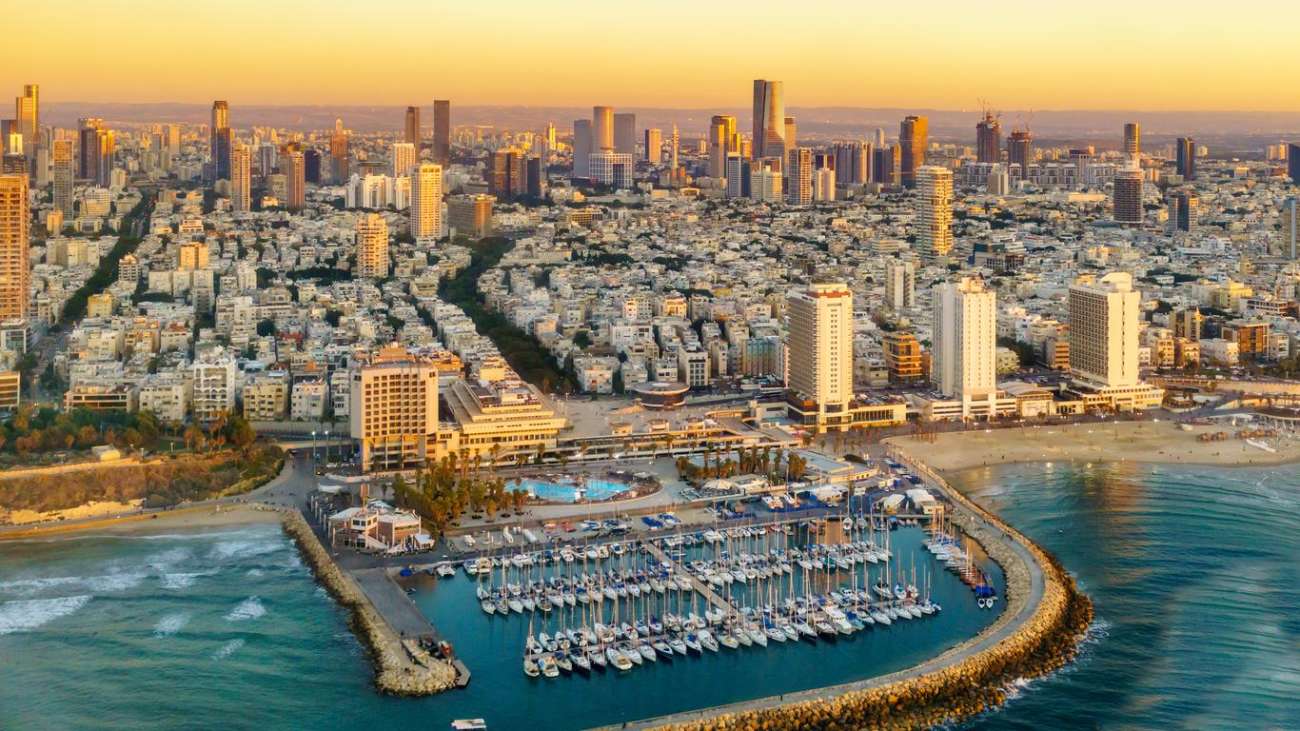
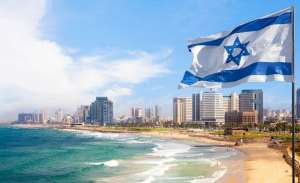
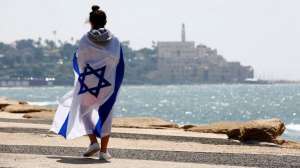
Tel Aviv is a city that immediately feels alive — warm, modern, and full of movement, with an energy that flows from the Mediterranean shoreline straight into its busy streets and colorful neighborhoods. The first thing many travelers notice is how open and relaxed the city feels. People walk along the beachfront with coffee in hand, cyclists glide past on wide paths, and cafés spill onto sidewalks where friends gather for long conversations. The sunlight reflects off white Bauhaus buildings in the morning, and by evening the city hums with music, chatter, and the soft glow of restaurants and bars opening for the night. Tel Aviv has a way of blending everyday life with a sense of effortless leisure, making it easy to settle into its rhythm.
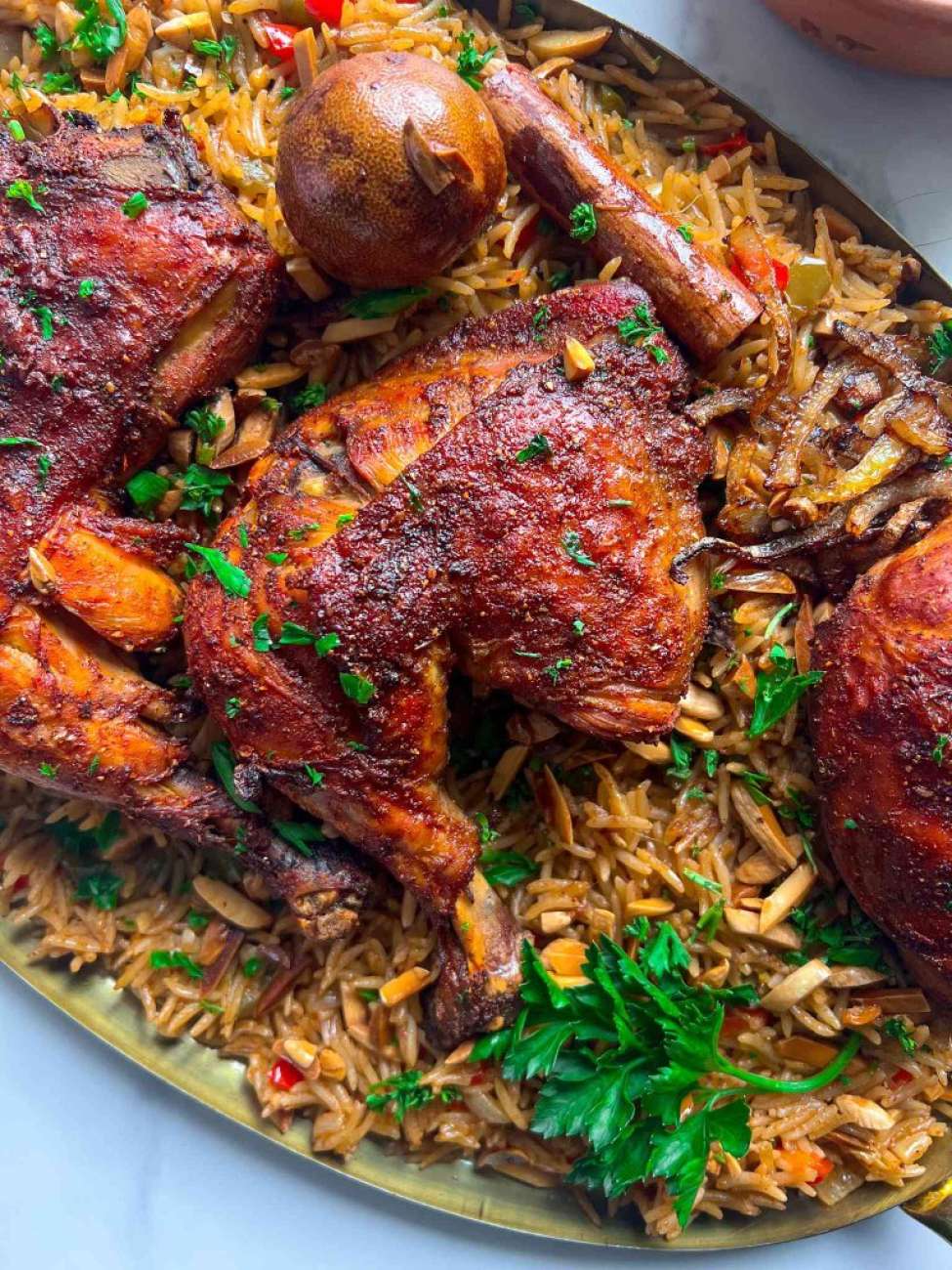
Saudi Arabia’s culinary world is shaped by desert traditions, coastal influences, and generations of family cooking where recipes are passed down quietly, without written notes. The food here feels grounding and generous, built around the idea that a meal is something to be shared rather than rushed. When you travel through the country, you notice how central food is to daily life — people sitting together over large rice dishes, groups gathering in cafés for late-night tea, families visiting bakeries just before sunset, and street vendors preparing snacks with practiced ease that comes from doing it every day for years.
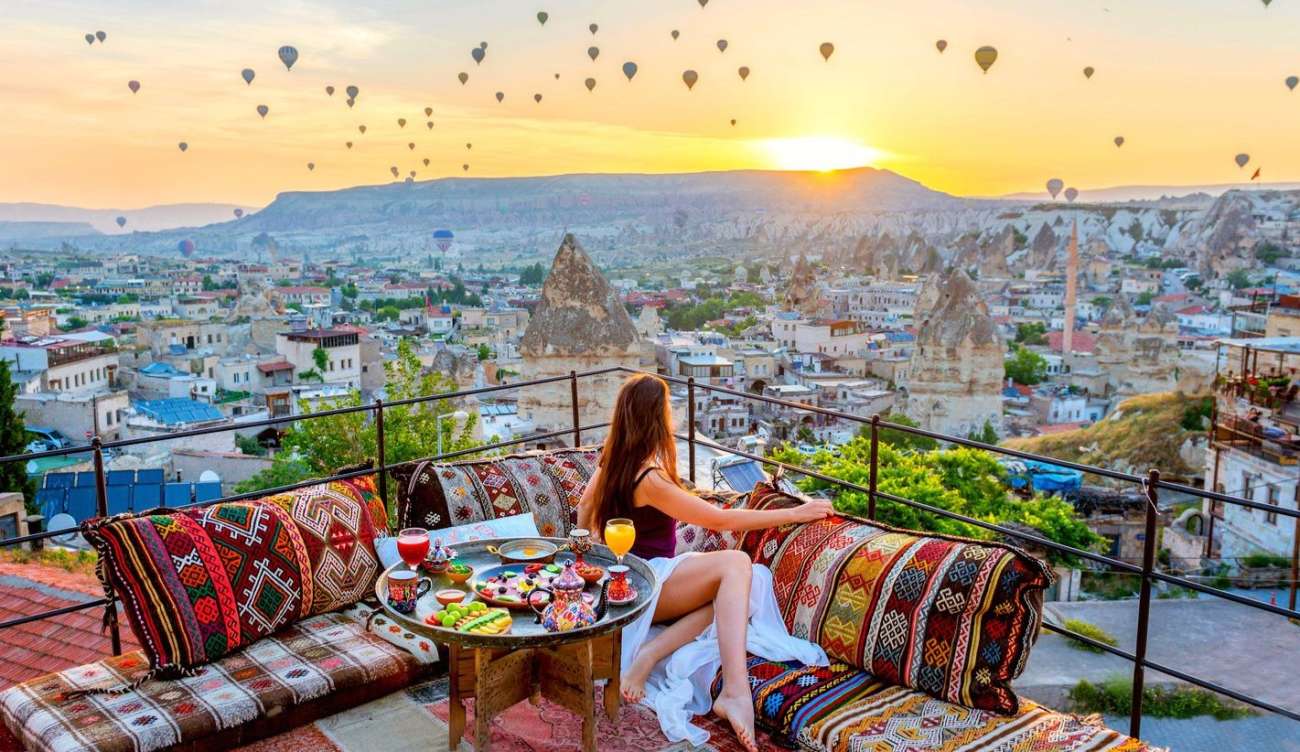
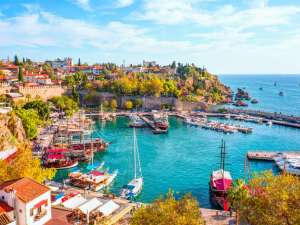
Steeped in centuries of history and surrounded by breathtaking natural beauty, Turkey stands as a living bridge between two continents — Europe and Asia. Its geography stretches from glittering coastlines and rugged mountain peaks to sprawling plains and ancient cities that whisper stories of empires long gone. Over thousands of years, this land has served as a crossroads of trade and cultural exchange, absorbing influences from every direction and blending them into a character that is entirely its own. The result is a country bursting with diversity, where eastern mystique meets western sophistication in the most captivating way.
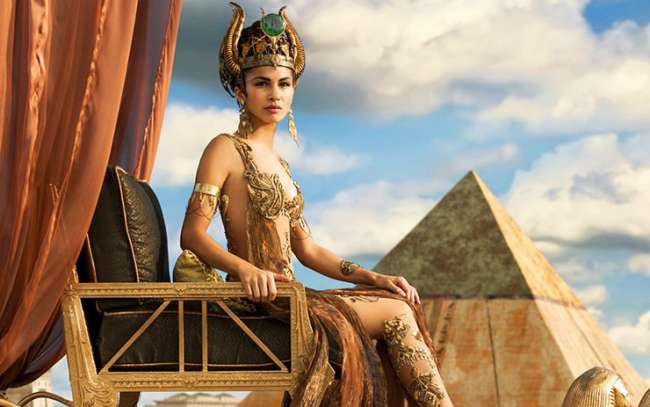
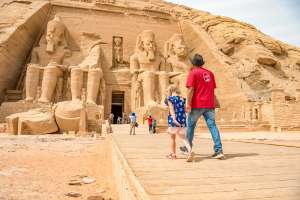
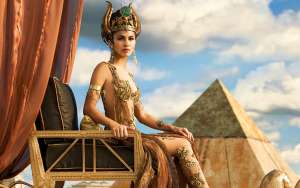
Egypt is one of those rare places on earth where history feels alive in the air. Every grain of sand, every carved stone seems to whisper stories of the world’s first great civilization. With a heritage that stretches back thousands of years, this country remains one of the most fascinating destinations for travelers who crave both wonder and depth. Among all its treasures, the legendary Pyramids of Giza stand supreme — enduring symbols of power, faith, and human genius.
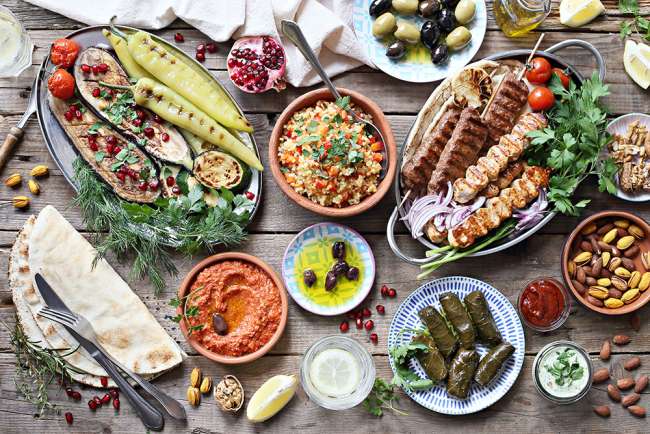
Iranian food is often considered one of the best cuisines in the world, and many travelers — and even chefs — rank it as the number one cuisine in the Middle East. What makes it stand out is the balance of flavors, the patience behind the cooking methods, and the way every dish feels connected to history, culture, and family traditions. Iranian meals are built on slow simmering, fresh herbs, saffron, pomegranate, spices used with subtlety, and rice that’s treated with as much respect as the main dish beside it. The result is food that’s rich without being heavy, aromatic without being overwhelming, and satisfying in a way that stays with you long after the meal is over.
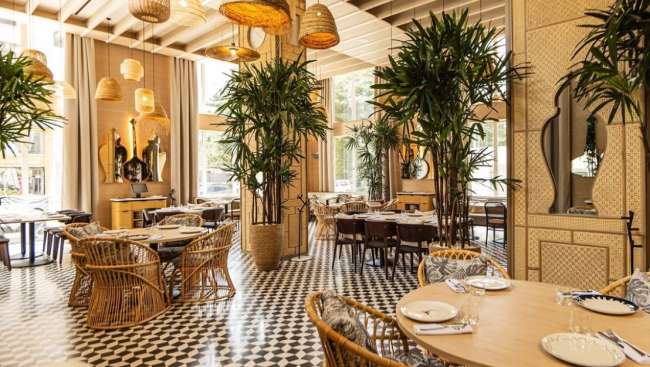
Lebanon is a country where food is more than a meal — it’s a celebration, a tradition, and a way people come together. Eating out here feels warm and familiar, whether you’re sitting at a long table covered with mezza, enjoying grilled seafood by the coast, or trying modern takes on classic dishes in Beirut’s lively neighborhoods. Restaurants in Lebanon carry the same welcoming energy you feel throughout the country: generous plates, loud conversations, the smell of fresh herbs and bread drifting through the air, and a relaxed atmosphere that makes you want to stay longer than planned.






-
A Journey Through Petra’s Ancient Monuments, Trails, and Rock-Carved Wonders
Petra is one of those rare places where history and landscape blend so deeply that you can’t tell where the human story ends and nature begins. Hidden within red sandstone canyons in southern Jordan, the ancient Nabataean city feels like a dream carved into rock — silent, majestic, and full of secrets. It’s a place shaped over centuries, forgotten for nearly a thousand years, and rediscovered in the 19th century as if it were waiting under the desert dust.
Entering Petra: Tombs, Canyons, and the First Glimpse of the Treasury
Your walk into Petra begins long before reaching its famous landmarks. Just past the visitor entrance stands the Obelisk Tomb, an early clue that Petra is unlike any ancient site in the world — a façade blending Egyptian influences with Nabataean creativity. It’s the kind of structure that makes you pause before continuing deeper into the valley.
From there, the path gradually narrows until you enter The Siq, a long, winding canyon with towering sandstone walls that twist like sculpted ribbons overhead. Light slips through in thin beams, reflecting shades of orange, pink, and red. This dramatic natural corridor builds anticipation with every step.
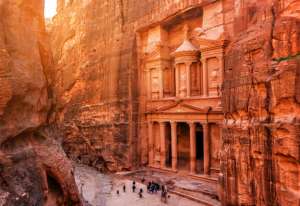
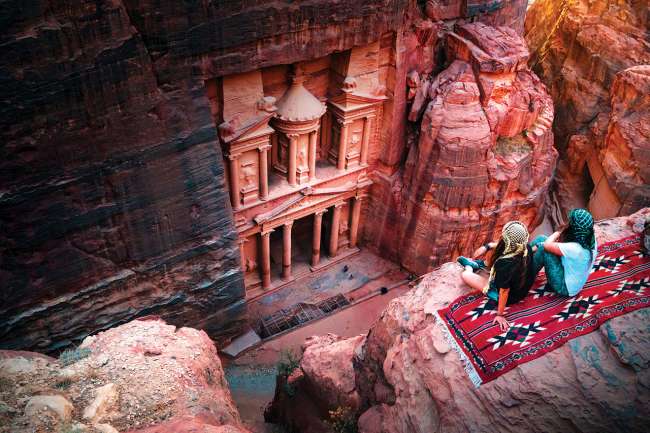
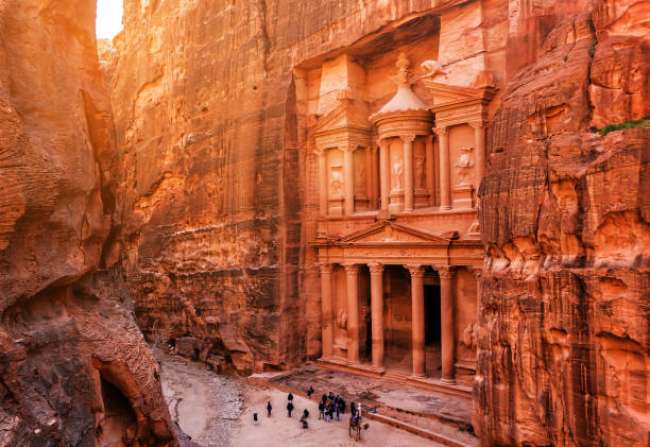
And then it appears — the first glimpse of The Treasury (Al Khazneh), framed perfectly at the end of the Siq. Standing before it is overwhelming: a massive, immaculate façade carved entirely from the rock face, with elegant columns, statues, and Hellenistic details that show the sophistication of Nabataean engineering. No matter how many times you’ve seen photos, the real sight feels unreal.
The path continues beyond the Treasury into the Street of Facades, a stretch lined with rock-cut tombs that rise above you like an ancient skyline. Further down is The Theater, carved directly into the mountain rather than built from stone blocks — a reminder that the Nabataeans reshaped entire cliffs to match their needs.
Soon you reach the Central Area where ancient marketplaces, temples, and the remnants of bustling city life once filled the valley. The Byzantine Church sits here as well, famous for its richly colored mosaic frescoes preserved from the 5th and 6th centuries — pieces of art that survived fires and earthquakes.
Nearby stands Qasr al-Bint, one of Petra’s main free-standing temples and a structure that once dominated religious life in the city.
Climbing the Monastery Trail and Exploring Petra’s Upper Kingdom
Beyond the central valley, trails wind upward into the mountains. One of the most rewarding is the climb to The Monastery (Ad-Deir), a massive rock-cut building larger but simpler than the Treasury. The path includes long stairways, narrow passages, and stunning viewpoints. When you reach the top, the Monastery sits quietly against the backdrop of open desert — calm, monumental, and deeply impressive.
Other notable trails explore Petra’s “upper level,” starting with the clusters of Royal Tombs carved high into the cliff walls. The Urn Tomb, with its tall interior chambers and dramatic courtyard, is among the most striking. Walking along this area brings you again beside the eastern side of the Street of Facades, creating a loop that shows how Petra was structured both horizontally and vertically.
The High Place of Sacrifice Trail is one of Petra’s most atmospheric routes. Along the way you pass the Garden Triclinium, ceremonial spaces, quiet ledges, and overlooks where the city stretches out below like a carved labyrinth. Reaching the High Place of Sacrifice itself gives you one of the oldest ritual places in the city — a sacred plateau used for ceremonies and worship.
For breathtaking views of the Treasury from above, the Al-Khubtha Trail winds its way across ridges and ledges until you reach a lookout where the famous façade appears far below, perfectly framed by cliffs.
Another demanding but rewarding route is the Umm al-Biyara Trail, one of Petra’s highest peaks. At the top, you’ll find ancient water cisterns that once sustained people living in these highlands — practical, ingenious engineering in an unforgiving landscape.
Near the western edge of Petra, quiet paths lead toward the Crusader Castle at el-Habis, offering a very different layer of history. From the top, sweeping views spread across the desert and the city’s ruins.
Beyond Petra: Little Petra and the Wider Nabataean World
A short drive from the main site brings you to Little Petra (Siq al-Barid), a smaller but equally captivating cluster of carved façades, temples, and residences. It once served as a stopping point for traders and caravans arriving along the ancient spice routes. Little Petra has the same carved beauty as the main city but feels more intimate — a place where you can wander quietly through narrow passages without crowds.
Little Petra also hints at the larger network of Nabataean culture that once stretched across the region, linking Petra to the Arabian Peninsula and beyond.
Petra is more than a tourist destination. It’s a city that reveals its secrets slowly — through carvings, trails, tombs, viewpoints, and the silent presence of mountains shaped by time. Whether you explore its grand monuments or climb its hidden paths, Petra leaves an impression that stays long after you leave. The red stone remembers everything, and for a moment, you become part of its story.
Locations in the video: The Obelisk Tomb (0:01), The Siq (0:0), The Treasury (Al Khazneh, 1:41), Street of Facades (2:22), The Theater (2:51), Central Area (4:30), Frescoes from the Byzantine Church (5:02), Qasr al-Bint (5:26), Trail to the Monastery (5:44), The Monastery (Ad-Deir, 6:07), The Royal Tombs (8:03), Urn Tomb(8:26), again the Street of Facades - Estern side (8:44), High Place of Sacrifice Trail (9:50), Garden Triclinium (11:17), High Place of Sacrifice (12:00), High point view over the Treasury (12:26), Al Khubtha Trail 12:52), Umm al-Biyara Trail (14:23), Water cicterns on top of Umm al-Biyara (15:47), around the Crusader Castle at el-Habis (16:30), Little Petra (18:54).
-
Your Essential Guide to Exploring Dubai’s Highlights, Neighborhoods, and Experiences
Dubai is one of those cities that leaves a lasting impression the moment you arrive — a place where futuristic architecture stretches across the desert, traditional markets sit beside luxury malls, and beaches, marinas, and dunes all blend into one unforgettable experience. Whether you come for shopping, adventure, culture, or simply to feel the energy of a city that never stops growing, Dubai delivers more than you expect.
Understanding Dubai’s Layout and Getting Around the City
Dubai can feel overwhelming at first because it’s spread out across long stretches of coast and desert. Looking at a map helps: major districts like Downtown Dubai, Dubai Marina, JBR, Old Dubai, Deira, Jumeirah, and Palm Jumeirah each have their own character.
Most travelers arrive at Dubai International Airport, where getting into the city is surprisingly easy. Taxis are everywhere, but the Dubai Metro is fast, clean, and comfortable — perfect for reaching Downtown, DIFC, the Burj Khalifa, or Dubai Mall. You’ll want a NOL card, which works for both the metro and buses.
Dubai’s modern side appears first: futuristic skylines, polished streets, and lively neighborhoods. But don’t miss the older areas — they reveal the city’s roots long before the skyscrapers arrived.
Exploring Dubai’s Iconic Districts, Beaches, and Night Views
The city offers so many things to do that exploring it feels like moving between different worlds in a single day.
Start with Dubai Marina, a gleaming waterfront lined with restaurants, yachts, high-rise apartments, and walking paths that come alive in the evenings. Right next to it is Marina Beach, where warm Gulf water and long sandy stretches make it perfect for relaxing, swimming, or people-watching. The marina at night is another experience entirely — the reflections of lights on the water, the cruise boats, and the atmosphere make it one of Dubai’s most photogenic spots.
For a contrast, head to Old Dubai and Deira, where the traditional life of the city still beats strongly. Wander through the Souks — the Gold Souk with its glittering displays, the Spice Souk heavy with aromas, and the Textile Souk near Dubai Creek. Cross the water by taking an abra boat ride; it costs almost nothing and feels like stepping back in time. In this area you’ll also find the Dubai Museum, built inside the old Al Fahidi Fort.
A stunning architectural highlight is the Dubai Frame, a massive golden structure that literally frames the old and new sides of the city from its sky bridge. From here, Dubai looks like a shifting timeline — tradition on one side, futuristic innovation on the other.
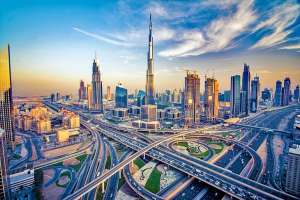
Downtown Dubai is home to the crown jewel: the Burj Khalifa. Standing below it, you feel how enormous and surreal it really is. The Dubai Mall sits right beside it — one of the largest malls in the world, home to the Dubai Ice Rink, countless shops, restaurants, and the famous dancing fountains.
Another major shopping and entertainment center is Mall of the Emirates, where you’ll find Ski Dubai, the indoor snow park and ski slope — a full winter environment built in the middle of the desert.
Along the coast near Jumeirah, you’ll see the sail-shaped Burj Al Arab, one of the most photographed hotels in the world. The nearby public beaches offer a great view and a relaxing place to spend the afternoon.
Further out lies Palm Jumeirah, the iconic man-made island shaped like a palm tree. At its tip sits Atlantis The Palm, a huge resort with a water park, aquarium, and luxury dining. Whether you stay there or simply visit, it’s one of Dubai’s most popular destinations for families and travelers.
For thrill-seekers, Skydive Dubai offers one of the most dramatic skydiving experiences in the world — jumping above the Palm with the entire city beneath you.
And of course, you can’t visit Dubai without heading into the desert. Dune bashing, camel rides, sandboarding, and traditional cultural camps make for an unforgettable afternoon and evening under the open sky.
If you have extra time, even a day trip to Abu Dhabi is easy — home to Ferrari World, modern museums, and the stunning Sheikh Zayed Grand Mosque.
Where to Stay, How to Move Around, and What to Expect
Choosing where to stay depends on the experience you want.
• Dubai Marina / JBR → for beach life, nightlife, and a lively atmosphere
• Downtown → close to Burj Khalifa and major attractions
• Deira / Old Dubai → for culture, markets, and more budget-friendly stays
• Palm Jumeirah → luxury resorts and iconic viewsDubai’s public transportation is efficient, but taxis and ride apps are widely used and affordable. The city is designed for easy movement, even across long stretches.
When it comes to cost, Dubai offers a huge range. Street food and local cafés are affordable, while high-end restaurants can be expensive. Attractions vary too — some are free (beaches, old neighborhoods), while others like observation decks or theme parks come with higher prices.
Before leaving, keep a few practical tips in mind: the heat can be intense in summer, modest clothing is appreciated in traditional areas, and staying hydrated during outdoor activities is essential.
Dubai is more than a city — it’s a blend of extremes: old and new, desert and sea, luxury and simplicity. It’s a place where every neighborhood offers something different, every landmark feels carefully designed, and every day brings new discoveries. With its endless attractions and rich contrasts, Dubai is the kind of destination you experience once and instantly understand why people return again and again.
-
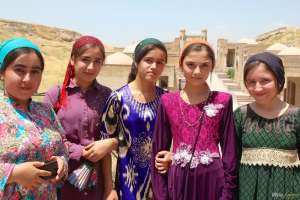
A Journey Through Tajikistan’s Cities, Lakes, Villages, and Mountain Roads
Tajikistan is one of those countries people hear about but rarely imagine visiting — a land of high mountains, winding river valleys, remote villages, and cities shaped by layers of history. Hidden in the heart of Central Asia, it’s a place where the landscapes look untouched, the culture feels warm and grounded, and the roads lead you into scenery that seems almost unreal.
A Mountainous Country at the Heart of Central Asia
Tajikistan sits between Afghanistan, Uzbekistan, Kyrgyzstan, and China — a landlocked, rugged country where more than 90% of the terrain is mountainous. The famous Pamir and Fann Mountains form the backbone of the land, giving travelers some of the most dramatic alpine scenery in the region. It’s a place where every highway twists through deep valleys, turquoise lakes appear around corners, and small villages cling to the edges of steep cliffs.
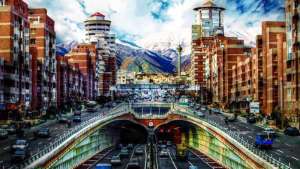
For many travelers, the journey starts in Dushanbe, the capital and the largest city. With its wide boulevards, leafy parks, and modern landmarks, Dushanbe is calm and surprisingly elegant. It has a gentle pace — morning markets, quiet cafés, museums filled with Silk Road stories, and broad squares where locals spend evenings walking or relaxing with families. The city blends Soviet-era architecture with new developments and cultural monuments, reflecting a country steadily growing while keeping its traditions close.
Food, Lake Landscapes, and Cities With Deep Roots
Tajik food plays a big role in understanding daily life here. Meals are warm, hearty, and meant to be shared. Expect dishes like plov (rice cooked with carrots and lamb), fresh bread still warm from clay ovens, dumplings, soups with herbs, and plenty of tea. The flavors are simple but comforting — the kind of food that fits perfectly with the mountain environments surrounding the country.
One of the most striking natural places to visit is Iskanderkul Lake, an alpine lake high in the Fann Mountains. Its blue-green color changes throughout the day depending on the sunlight, and steep peaks rise directly from the water’s edge. The air is cool, the views are wide, and everything feels untouched. Around the lake, small paths lead to waterfalls and lookouts, making it one of Tajikistan’s most peaceful and photogenic destinations.
Heading north brings you to Khujand, one of the oldest cities in Central Asia, located in the fertile Fergana Valley. It’s lively, colorful, and more traditional in its atmosphere compared to Dushanbe. Markets buzz with activity, locals bargain over fruit and fabrics, and old monuments stand beside newer neighborhoods. Khujand holds an important place in Tajikistan’s history, and it’s a great place to feel the rhythm of everyday life in the region.
Nearby is the Tajik Sea, also known as the Kayrakkum Reservoir — a large, shimmering lake that locals use for swimming, relaxing, and escaping the heat. Despite being man-made, it feels like a real inland sea, with wide open water and quiet spots along the shoreline.
Villages, Mountain Roads, and the Legendary Pamir Highway
Some of Tajikistan’s most unforgettable moments happen far from the cities. The country’s small mountain villages show a simpler way of life: stone houses, gardens growing along streams, children playing outside, and older villagers greeting travelers with kindness. Life here moves slowly, shaped by the seasons and the landscape. These villages offer a glimpse into traditions that haven’t changed much in decades.
From these remote areas, the road eventually leads to the Pamir Highway — one of the highest and most dramatic road journeys in the world. The highway winds through towering mountains, deep valleys, and high-altitude plains where the air is thin and crisp. The scenery changes constantly: barren cliffs, blue lakes, distant snowcaps, and stretches of emptiness that feel otherworldly. Traveling the Pamir Highway gives you a sense of how vast and untouched Tajikistan really is.
Near the western border lies Tursonzoda, a greener, more agricultural region known for fields, orchards, and warmer weather. It feels different from the high mountains — more relaxed, more humid, and rich with farmland.
Most journeys eventually circle back to Dushanbe, where the modern city comforts seem almost strange after days spent in remote landscapes. The capital feels even softer and more peaceful when you return, offering quiet parks, good food, warm hospitality, and a gentle conclusion to a very different kind of adventure.
Tajikistan is not a typical tourist destination — and that’s exactly what makes it special. From alpine lakes to ancient cities, from simple village life to high mountain roads, it offers experiences that feel raw, genuine, and deeply connected to nature. Once you understand where Tajikistan is, you realize it’s not just a place on the map — it’s a place full of stories waiting to be discovered.
-
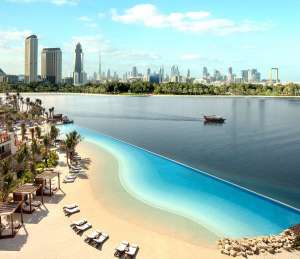
Dubai’s Transformation & Its Future
A Look at Dubai’s Evolution and the Megaprojects Shaping Its Future
Dubai has reinvented itself more than almost any city in the world. What was once a modest trading port along the Arabian Gulf has grown into a skyline of glass towers, man-made islands, record-breaking engineering, and bold ideas that seem to come straight from the future. Walking through Dubai today, you feel the ambition behind every district — a place constantly shifting, shaping, and re-imagining what a modern city can be.
From Ambitious Beginnings to Global Icons
Dubai’s rise didn’t happen slowly. It unfolded through a series of daring decisions, each one bigger than the last. The early symbol of this ambition was the Burj Al Arab, a sail-shaped hotel rising from its own artificial island. When it opened, it wasn’t just another luxury hotel — it became a statement that Dubai intended to stand out on the world stage.
Then came Palm Jumeirah, a massive man-made island shaped like a palm tree, visible even from space. What seemed like an impossible engineering challenge became a globally recognized landmark and one of the most popular residential and tourism destinations in the region. Its creation also sparked a new wave of coastal development that would continue for years.
To connect the expanding city, Dubai built the Dubai Metro, a sleek, driverless transportation system that cut through the urban sprawl and made commuting across long distances surprisingly easy. It helped tie together neighborhoods, shopping districts, and business hubs that were growing at an incredible pace.
And of course, at the heart of Dubai’s skyline stands the Burj Khalifa, the tallest building on Earth. Whether you look at it from the surrounding fountains or watch it from a distance at sunset, the tower doesn’t just dominate the skyline — it defines the city’s identity. It’s a reminder of how far Dubai has come, and how far it’s still willing to go.
Megaprojects That Shaped the Modern City
As Dubai grew, it didn’t limit itself to the traditional definitions of infrastructure. The city mixed engineering, tourism, culture, and global connectivity into its development.
One major step forward is Al Maktoum International Airport, a project designed with the future in mind. When fully completed, it aims to become one of the largest airports on the planet — a global aviation hub built for a world where travel keeps expanding.
Another eye-catching landmark is the Dubai Frame, a giant architectural frame that represents the city’s contrast between past and present. On one side you see Old Dubai; on the other, the modern skyline. It’s a symbol of how quickly Dubai has evolved, and how it still holds onto the older parts of its story.
Along the coast sits Ain Dubai — often referred to simply as “The Eye.” This giant observation wheel offers panoramic views of the marina, beaches, and towers below. It’s one of the world’s largest of its kind, built to become both an entertainment attraction and a new visual signature for the waterfront.
Rising in the financial district, One Zabeel is another striking project. Two massive towers connected by one of the longest cantilevered structures ever built, it stands as a symbol of cutting-edge design and Dubai’s appetite for architectural experimentation.
Nearby, the Meydan District One development brings together luxury residences, green spaces, and an enormous artificial lagoon. The idea behind this project is to balance urban living with open water and recreation — part of Dubai’s strategy to create lifestyle destinations rather than just neighborhoods.
Looking Ahead: The Vision Behind Dubai’s Future Megaprojects
Dubai’s next chapter is just as ambitious as its past. The upcoming developments focus on sustainability, advanced transportation, and futuristic urban design — all aiming to prepare the city for decades ahead.
A centerpiece of this future vision is Dubai Creek Harbour, a huge waterfront district planned to become one of the most significant urban environments in the region. Its combination of residential towers, nature preserves, marina areas, and cultural venues shows Dubai’s shift toward integrated, livable spaces. The project also includes the plan for a new super-tall tower, designed to become another global landmark.
The city is also pushing investments in renewable energy, smart mobility, expanded metro lines, and sustainable urban planning. Dubai’s future is not just about building larger and taller structures — it’s about building smarter, greener, and more connected environments.
Dubai’s transformation tells a story of relentless ambition. Every major project — from the early icons to the new megastructures rising now — shows a city constantly shaping its identity and reaching for the next milestone. Whether you view it from the desert, the sea, or the top of the world’s tallest building, Dubai continues to evolve, and its future looks just as bold as its past.
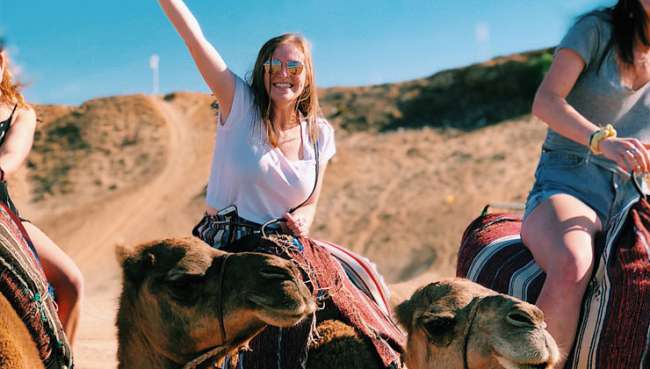
The UAE is a country that surprises people the moment they step outside the glass towers and wide highways. Many travelers arrive expecting only the modern side — the malls, the shining skyscrapers, the luxury hotels — but as soon as you move beyond the city centers, you start to see a completely different landscape. Sandy deserts open into endless horizons, mountains rise like sharp, grey waves in the distance, and long coastlines meet warm blue water. Even within the cities, outdoor life is woven into daily routines: families gathering along the Corniche at sunset, joggers running near the marina, fishermen waiting patiently on quiet piers, and groups heading to the desert on weekends just to sit under the sky.
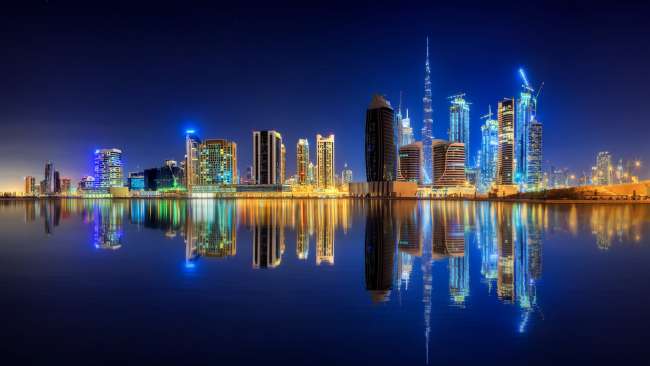
Dubai — the city of grandeur, innovation, and shimmering ambition — stands as a dazzling blend of heritage and modernity. The city never settles for ordinary; instead, it thrives on creating the extraordinary. From its record-breaking architecture to its timeless desert heritage, every corner tells a story of vision and resilience. Visitors find themselves caught between the desert’s golden calm and the city’s futuristic rhythm. Whether it’s the serene beaches, buzzing souks, or the quiet elegance of traditional Arab courtyards, Dubai has mastered the art of contrast.
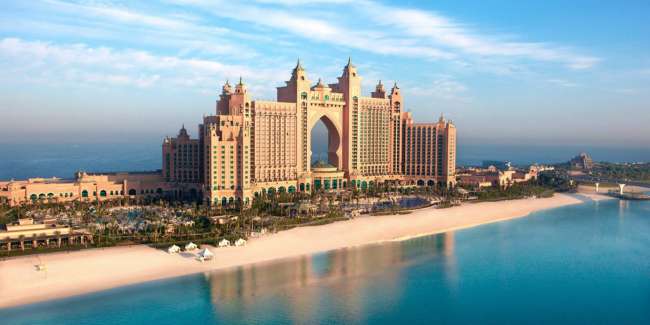
Dubai’s transformation over the past decade has been nothing short of remarkable. What was once a stretch of desert has evolved into a glittering metropolis that merges innovation, luxury, and culture in seamless harmony. Today, the United Arab Emirates boasts a skyline defined by architectural marvels and some of the most breathtaking hotels in the world. Whether you seek futuristic design, culinary excellence, or a taste of royal living, Dubai’s hotels capture the essence of sophistication in every detail.
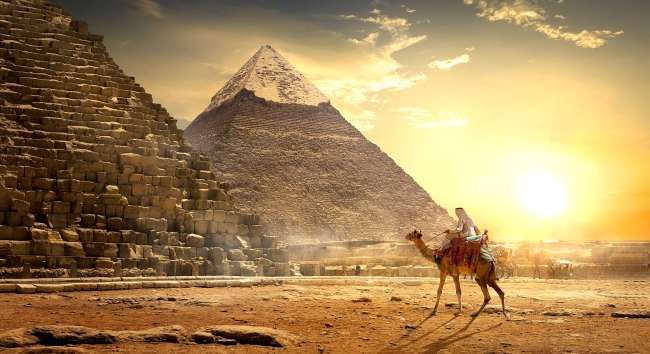
The pyramids of Egypt have long stood as one of humanity’s greatest enigmas. Even in ancient times, travelers, scholars, and conquerors were awed by their sheer size and mystery. Today, they continue to fascinate modern visitors—tourists who marvel at their grandeur, mathematicians who attempt to decipher their proportions, and archaeologists who tirelessly explore the secrets hidden within their stones. These monuments seem eternal, rising above the sands like messages from a civilization determined to outlast time itself.
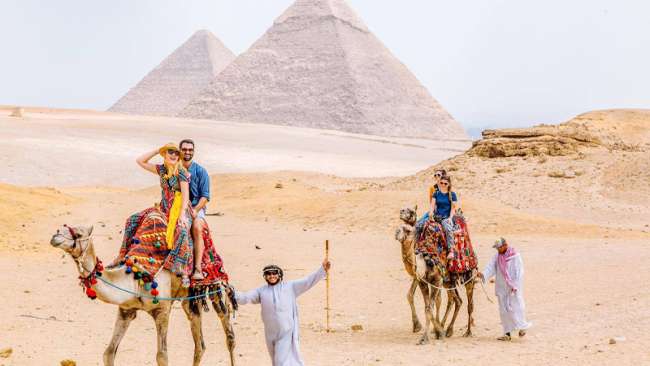
Packing for Egypt feels a bit like preparing for several different trips at once. One moment you’re imagining yourself walking through ancient temples under the bright sun, and the next you’re picturing the cool evening breeze drifting across the Nile as the city lights reflect on the water. Egypt has layers—modern neighborhoods buzzing with life, quiet desert landscapes where everything feels still, lively markets full of scent and color, and warm Red Sea towns where the days melt into long, peaceful nights. Because of this mix, the things you bring in your suitcase can shape how comfortable and confident you feel throughout your journey.
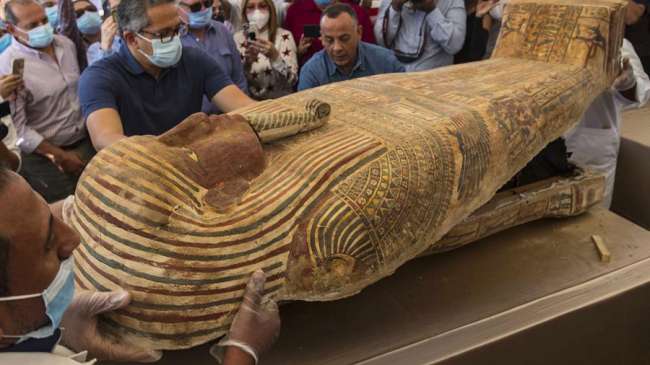
The ancient sands of Egypt have long concealed mysteries that whisper stories of gods, kings, and civilizations far older than memory itself. Across millennia, these treasures have survived the desert’s fierce winds and time’s relentless erosion, standing as living monuments to human brilliance and devotion. The relics of ancient Egypt are more than just artifacts; they are bridges to a vanished world where myth and history intertwined. Modern Cairo’s busy streets and the timeless hum of the Nile now flow alongside these echoes of eternity, where colossal statues and cryptic tombs still command awe.
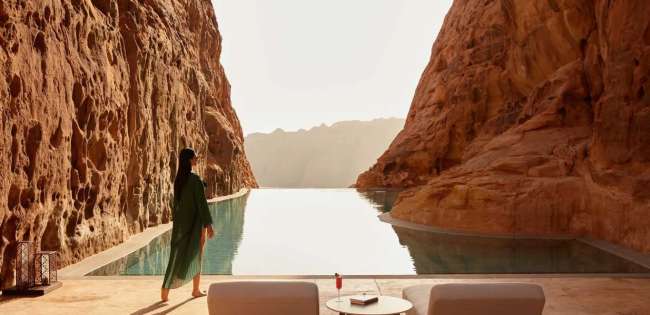
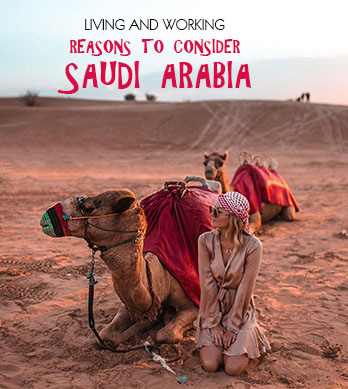
Traveling through Saudi Arabia doesn’t have to feel like a luxury-only experience. Beneath the polished skyscrapers and modern developments, the country has a quieter, more accessible side that many visitors only discover once they’re already there. Streets lined with small bakeries, local markets where prices barely nudge your wallet, families gathering in parks at sunset, and old neighborhoods where daily life moves at an easy pace — these are the moments that reveal how affordable Saudi Arabia can be if you know where to look.

Saudi Arabia is one of the most influential and geographically vast nations in the Middle East, ranking as the 13th largest country in the world by total land area. Its size alone shapes its identity, culture, and economy, spreading across immense stretches of desert, mountain ranges, and coastal plains. The capital city, Riyadh, stands as the heart of the Kingdom, home to more than four million people and the center of its modern growth. Dozens of medium-sized and smaller cities complete a complex urban network that defines today’s Saudi Arabia.
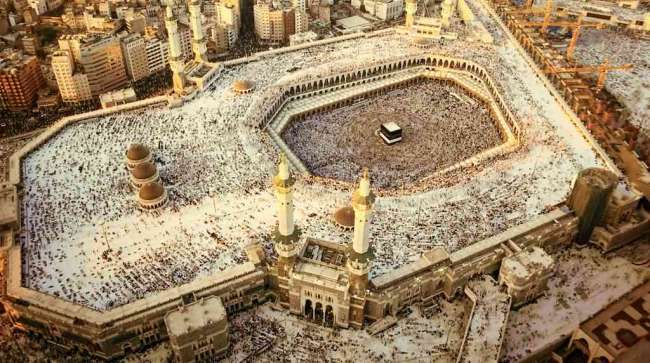
Mecca stands as the beating heart of the Islamic world, revered for over fourteen centuries as the holiest city in Islam. It is the birthplace of Prophet Muhammad and the site where Muslims believe the angel Gabriel revealed the words of the Quran to him — revelations that became the foundation of one of the world’s largest faiths. Since that moment in the 7th century, Mecca has remained the most important religious center for Muslims everywhere, and every year millions journey to its sacred grounds to perform the Hajj pilgrimage, one of Islam’s five essential pillars.
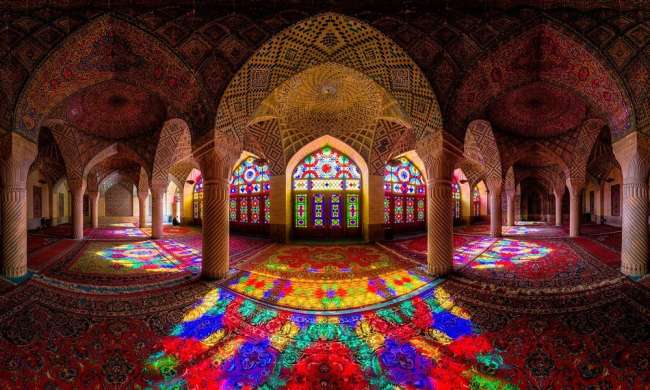
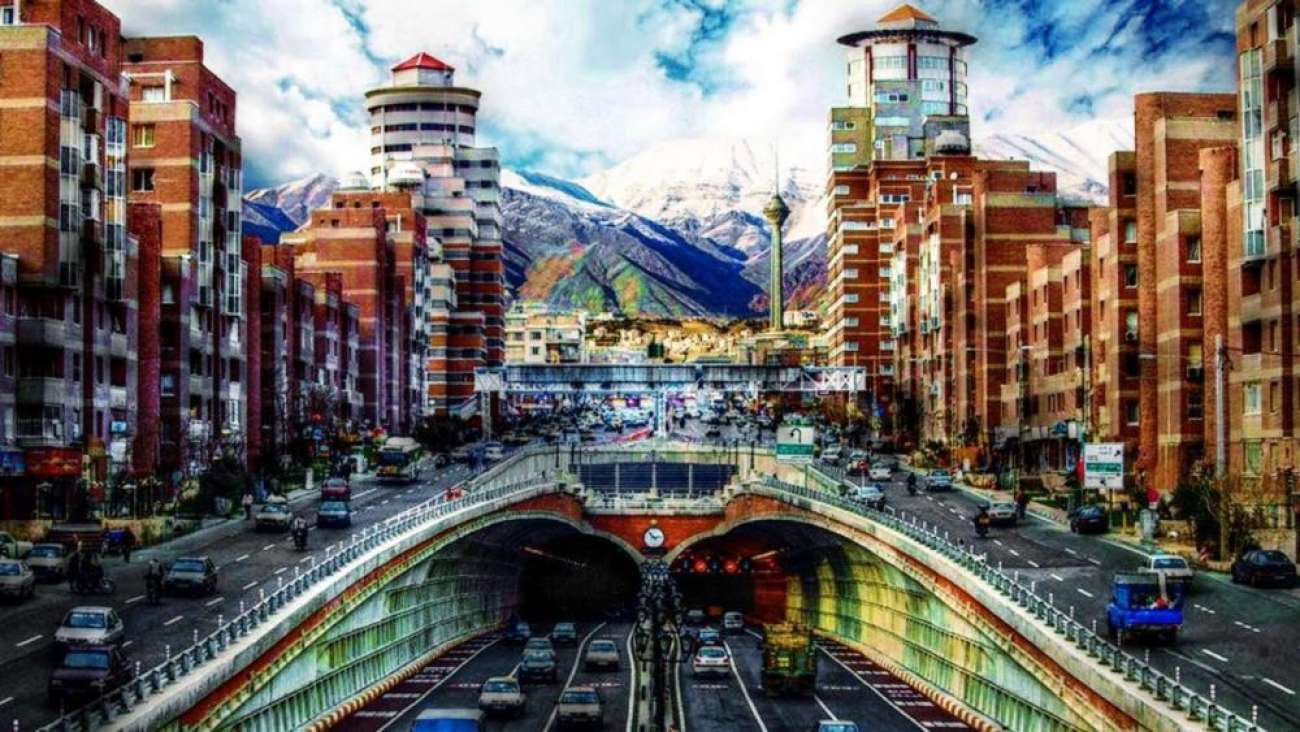
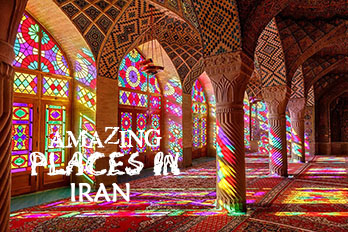
Iran is one of those rare destinations that feels like a living museum — a vast land where history, art, and breathtaking landscapes merge into a single unforgettable experience. Despite its rich culture and unmatched hospitality, the beauty of Iran is still greatly underappreciated on the global stage. Those who’ve never stepped foot here often only know the country through headlines, missing its soul — the warmth of its people, the astonishing architecture, and the deeply layered stories whispered through every ancient stone.
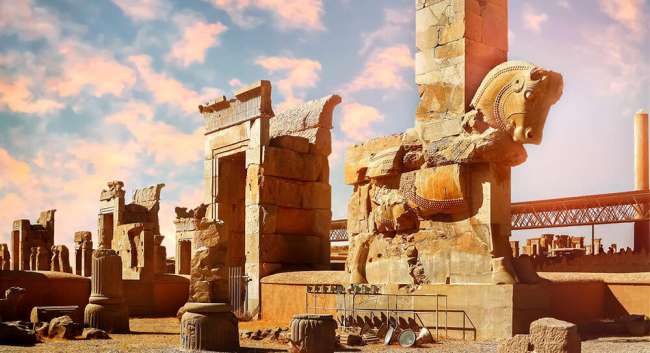
Iran, a land celebrated for its timeless architecture and the warmth of its people, has long been a crossroads of civilizations. It’s a place where ancient empires once ruled, where poets found their muse, and where intricate artistry still thrives in every tile, dome, and garden. Beyond its beauty, Iran’s greatest charm is perhaps its people — friendly, welcoming, and proud of their heritage. The country tells stories of ancient civilizations and grand dynasties, of science, spirituality, and art woven together over millennia. With its lush gardens, bustling bazaars, and the scent of saffron and rosewater lingering in the air, Iran stands out as one of the most inviting destinations in the Middle East — one that every traveler should experience at least once.
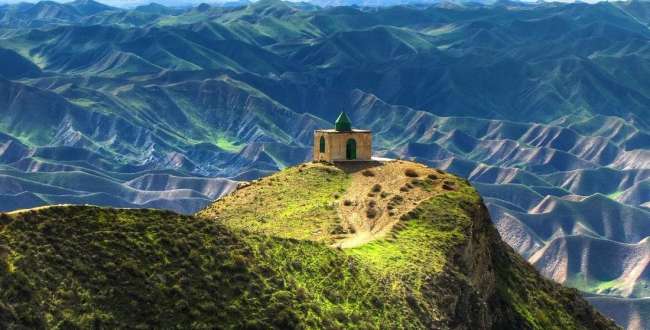
Iran is a country that seems to stretch endlessly, a land where every direction leads to something unexpected — from icy peaks brushing the clouds to sun-baked plains that shimmer under golden light. No matter how unusual or specific your taste in landscapes may be, Iran somehow satisfies it all. Its vastness hides a diversity of nature that can easily rival entire continents.
With a four-season climate, the country invites travelers to witness snow-covered mountains and tropical coastlines all within the same journey. It’s one of the few places on Earth where you can climb a frosty summit in the morning and dip your toes in the Persian Gulf before nightfall. This balance of extremes gives Iran a special charm for adventurers — whether you crave alpine trekking, desert solitude, or lush green valleys. Each short domestic flight or even a few hours’ drive can transport you into an entirely new world.
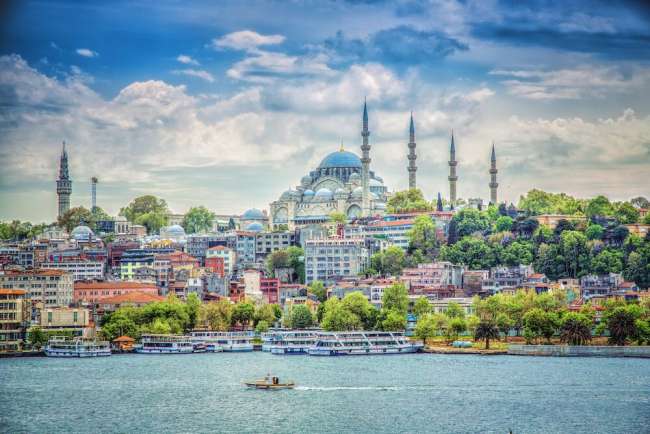
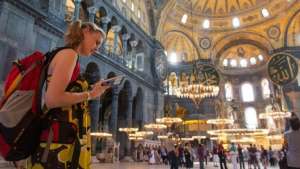
Istanbul is a city that truly carries the weight of empires within its walls, gracefully blending the legacies of Asia and Europe into one mesmerizing whole. It is a place where ancient domes rise beside glass towers, where centuries-old bazaars coexist with modern cafés, and where echoes of history meet the pulse of a thriving metropolis. Founded in the Neolithic era, Istanbul has grown from the once-glorious Constantinople into a cosmopolitan hub while preserving its old-world charm through its mosques, basilicas, cathedrals, and labyrinthine markets.
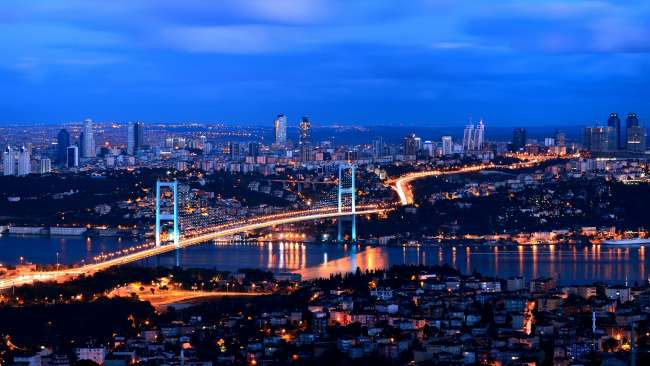
Whether you’re drawn by shimmering coastlines, ancient ruins, or cities humming with a thousand stories, Turkey has a way of capturing your senses from the moment you arrive. It’s a country that bridges worlds—between East and West, past and present, spirituality and modern life. Here, every city offers something unique, from architectural wonders to lively bazaars, calm seaside promenades, and the soft call to prayer echoing over rooftops at dusk.
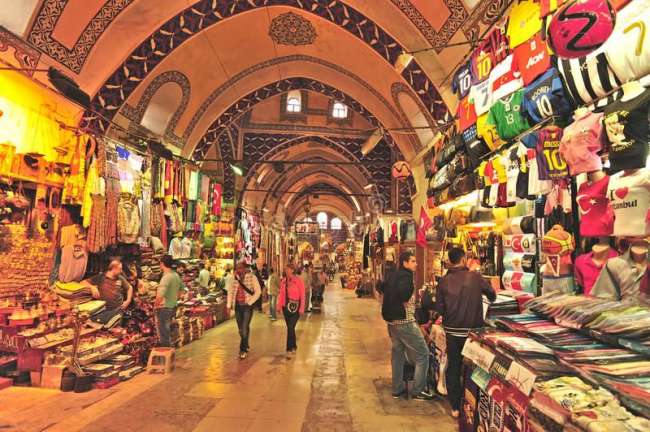
Sitting between Asia and Europe, Turkey is a land where history and modernity blend seamlessly — and nowhere is that harmony more visible than in its bustling shopping culture. The country offers a dizzying mix of experiences: ancient bazaars echoing with the sound of bargaining, glamorous shopping malls glittering with designer names, and intimate local markets selling handmade goods. It’s a country where shopping is not just about acquiring things; it’s about engaging in stories, colors, and traditions that stretch back centuries.
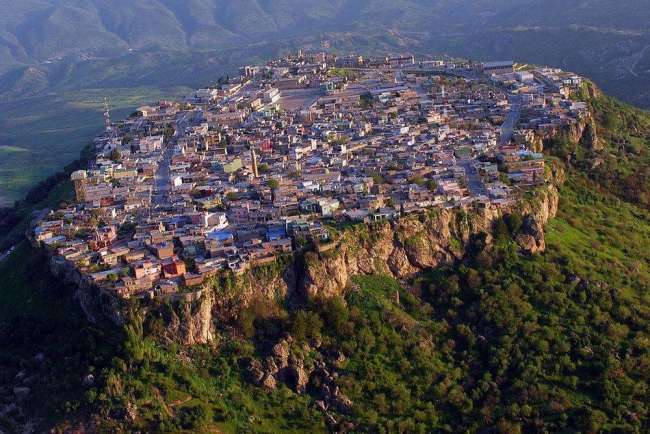
Iraq, a land that once gave birth to the earliest known civilizations, holds some of the most extraordinary archaeological and cultural treasures on Earth. From the ancient realms of Mesopotamia, Sumer, and Assyria to the legendary ruins of Babylon and the towering Ziggurat of Ur, this country was once the heart of human progress. The southern city of Basra, once called the Venice of the East, whispers of its trading past, while Baghdad—the city of fables from One Thousand and One Nights—still stirs the imagination of dreamers and historians alike.
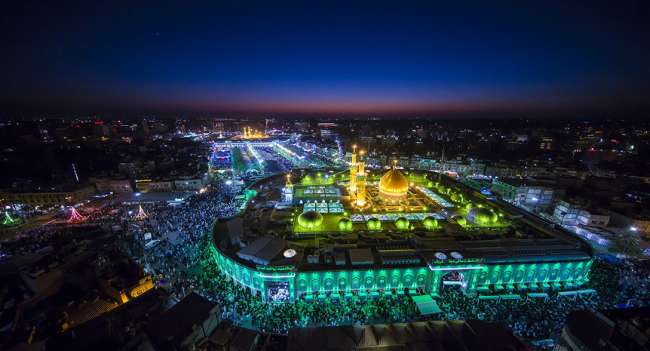
Iraq, often called the cradle of civilization, stands in the very heart of Western Asia — a crossroads where the earliest human societies once flourished and the great empires of history rose and fell. This ancient land, blessed by the mighty Tigris and Euphrates rivers, gave birth to Mesopotamia, the world’s first known civilization. It is a country where history feels alive beneath every stone, from the ruins of Babylon and Ur to the sacred shrines of Najaf and Karbala.
Stretching across 437,072 square kilometers, Iraq shares its borders with Turkey in the north, Iran to the east, Kuwait to the southeast, Saudi Arabia to the south, Jordan to the west, and Syria to the northwest. Its geography is as diverse as its culture — deserts and date-palm oases to the south, rugged mountains and lush valleys in the north, and fertile plains winding along its great rivers.
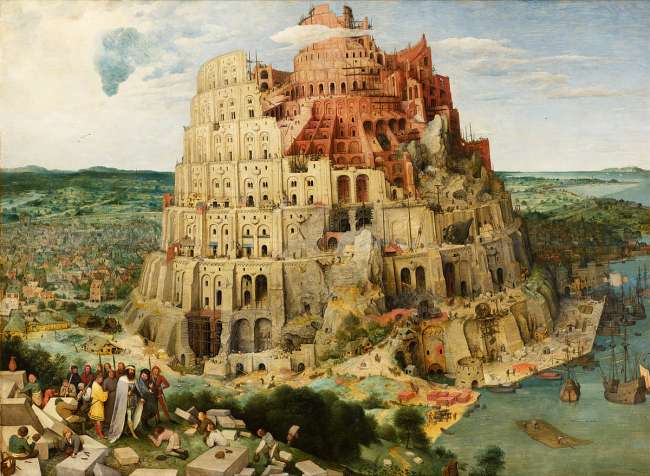
When people hear the name Iraq, their first thoughts often drift toward decades of conflict, dusty battlefields, and political turmoil. Yet beneath that scarred surface lies a land that once stood at the very center of human civilization—a place where writing was born, cities first rose, and ideas that shaped the modern world took root. Iraq is not just another country in the Middle East; it is a living museum of the ancient world.
The twin rivers, the Tigris and Euphrates, carve through its plains, nourishing lands that gave rise to the earliest known societies of Mesopotamia, Sumer, Akkad, and Babylon. This is why Iraq is forever called the Cradle of Civilization. Its soil holds the remnants of empires and echoes of prophets, poets, and conquerors. The region gave humanity the first cities, the earliest written laws, and monumental achievements in science, mathematics, medicine, and theology.
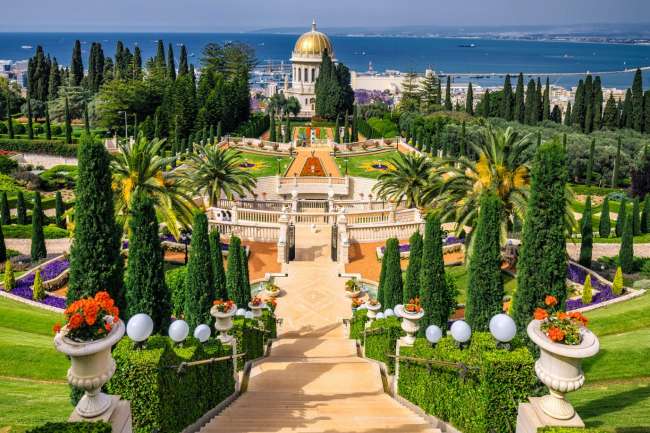
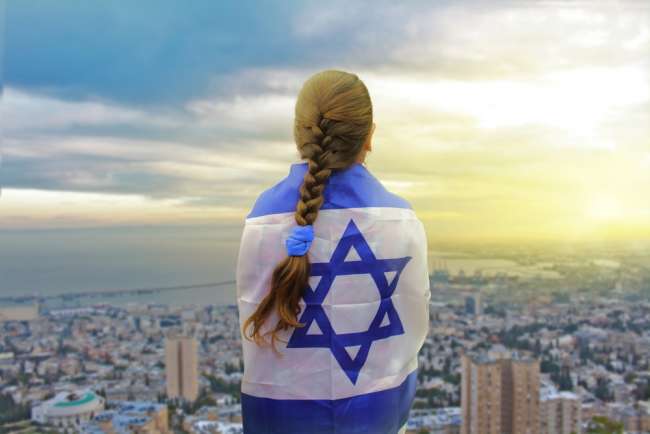
Israel is one of those rare destinations that feels timeless—an intriguing blend of spirituality, history, and natural wonder packed into a land small enough to cross in a few hours, yet vast enough in depth and diversity to fill a lifetime of exploration. From mystical seas that shimmer like liquid silver to age-old holy cities echoing with centuries of prayer and conflict, the country invites you to step into a story that feels both ancient and alive. It’s a place where rugged desert cliffs meet blooming oases, where the smell of sea salt and spice markets blend in the same breeze, and where every stone seems to hold a tale.
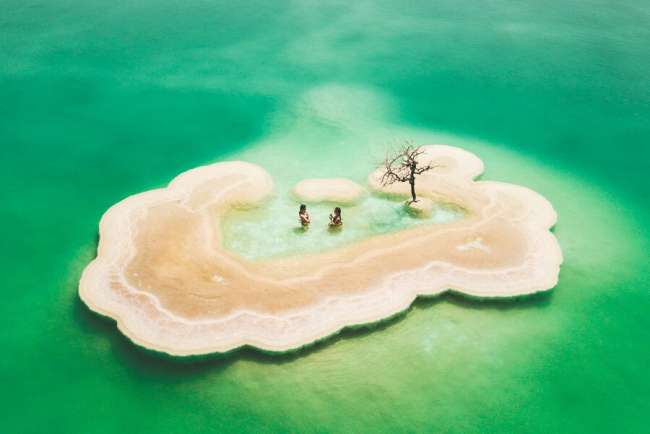
Israel is a land that constantly defies expectations. Though modest in size on the world map, its contributions to science, culture, and technology have left an enormous mark on humanity. Nestled at the crossroads of three continents, this small but astonishing country blends ancient history with cutting-edge innovation. It’s a place where sacred cities stand beside modern skyscrapers, and where the desert itself blooms thanks to human ingenuity.
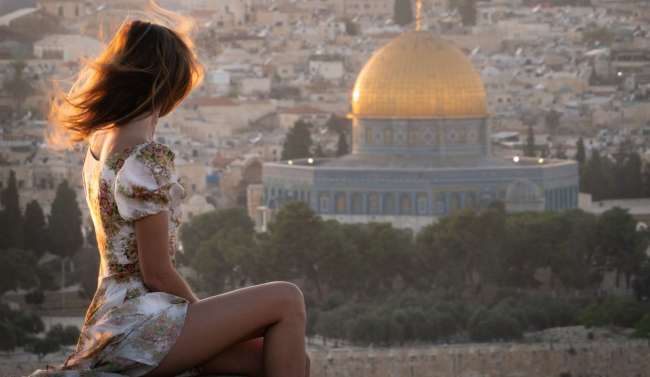
Israel sits along the Mediterranean with a personality far bigger than its borders. For centuries, travelers have come for sacred history and stayed for the variety: warm beaches, desert adventures, nature reserves, and pleasantly travelable weather nearly all year. From the buoyant waters of the Dead Sea to Eilat’s coral-bright Red Sea shoreline, and from Tel Aviv’s coastal buzz to Haifa’s terraces, the country keeps surprising you. The Old City of Jerusalem and the churches of Bethlehem are magnet stops for first-time visitors, but it’s the blend — the ancient and the everyday — that makes the journey feel vivid.
top markets and bazaars in egypt


Middle East In The Spotlight
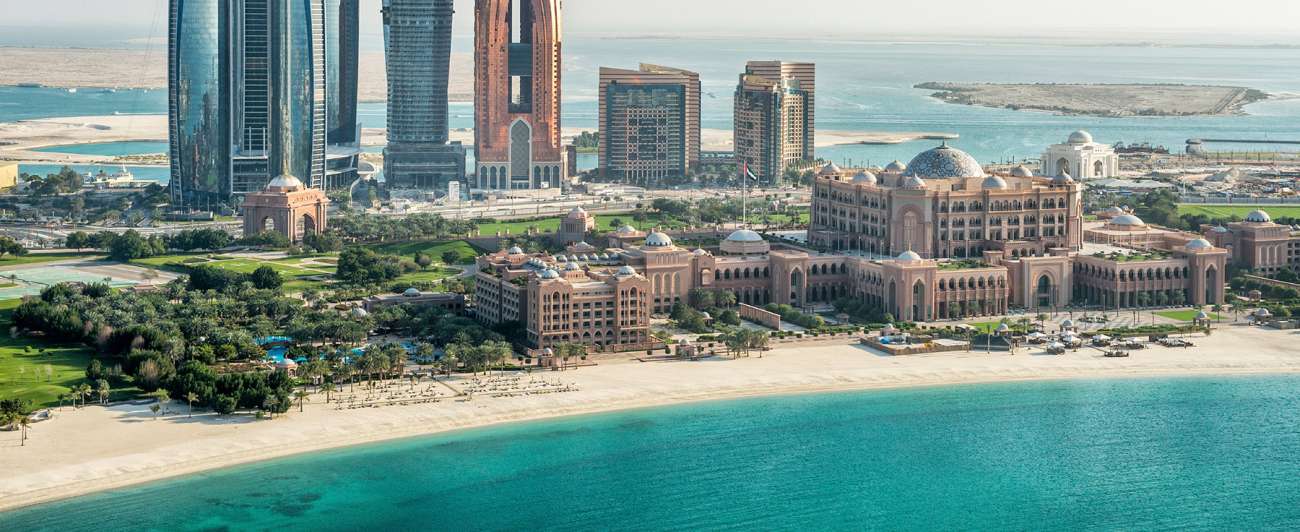
In recent decades, the Middle East has transformed from a region known mainly for its history and deserts into a powerful magnet for ambitious professionals from all corners of the world. Cities across the region have evolved into dynamic recruitment hubs, drawing in top-tier specialists who are searching for meaningful career progress, fresh challenges, and a lifestyle that feels both modern and culturally rich.
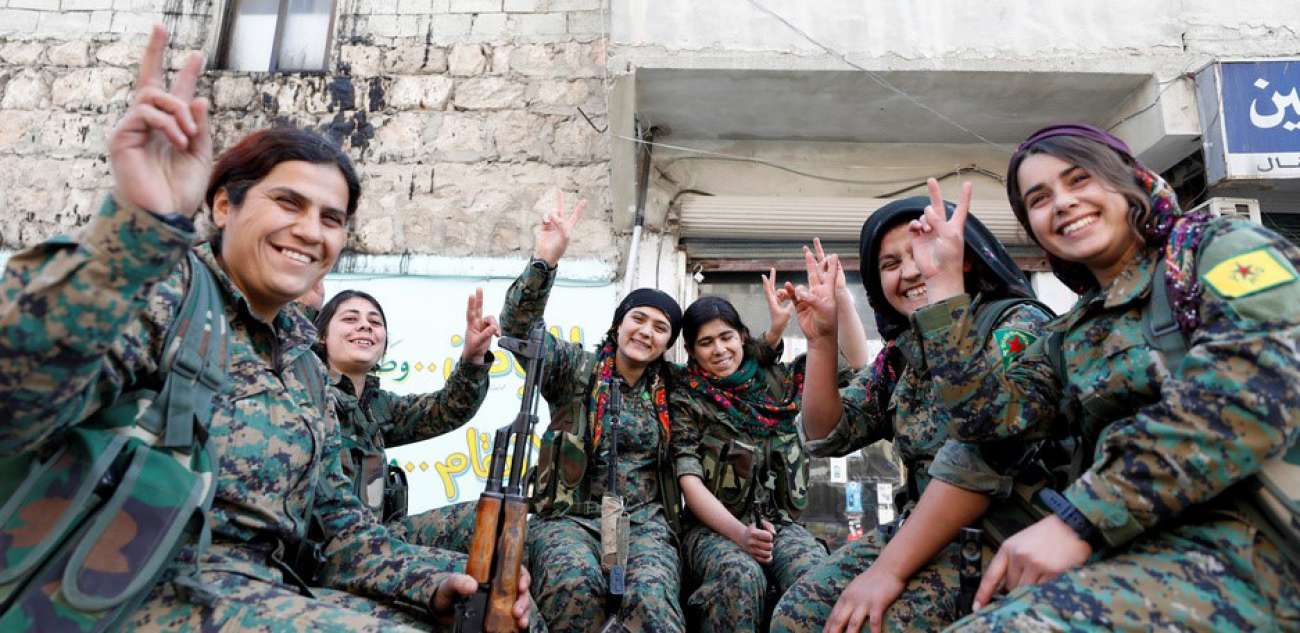
Iran’s strategic maneuvers in recent years have deeply reshaped the political and military landscape of the Middle East. Taking advantage of regional chaos, particularly during and after the Syrian Civil War, Tehran has built new alliances and expanded its influence far beyond its borders. This quiet yet relentless expansion has redrawn the region’s battle lines, setting Iran and its allies on a collision course with Western-backed powers — notably the Gulf states and Israel.
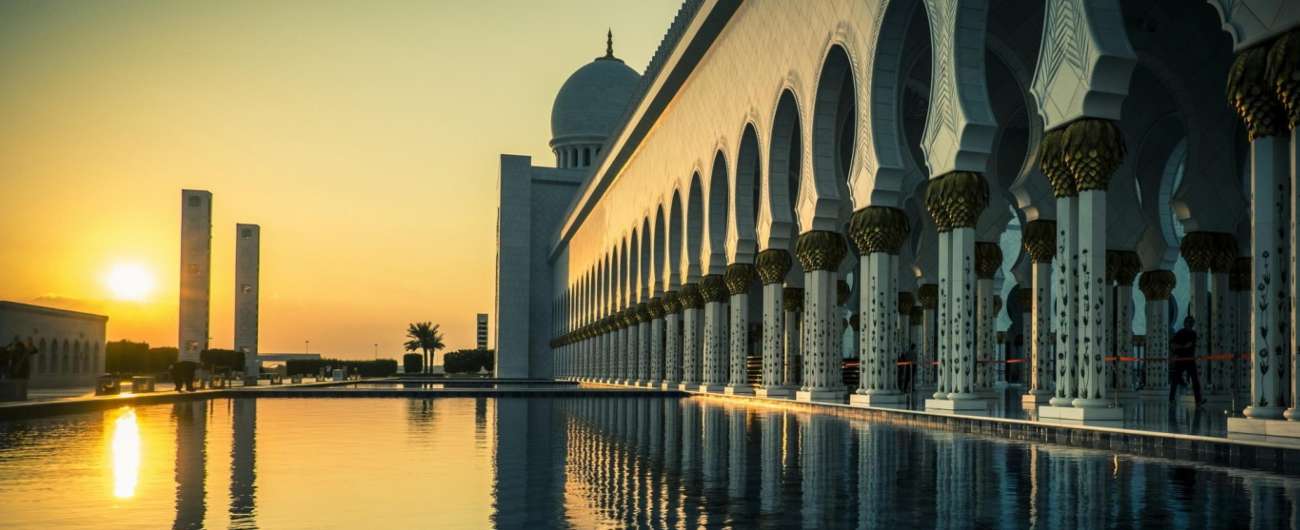
The Middle East is often imagined as a place of intense history and dramatic landscapes, but when you actually travel through the region, you discover something far more peaceful and welcoming than expected. Many countries here are incredibly safe — calm streets, friendly locals, polished public spaces, and a sense of order that makes exploring feel easy and comfortable. In some places, you can walk along a waterfront late at night without worry, wander through old markets surrounded by families and shopkeepers, or take long road trips through mountains and deserts knowing the journey will be smooth and well-supported. What surprises most travelers is how modern and organized the region truly is, with countries investing heavily in security, tourism services, and public comfort.
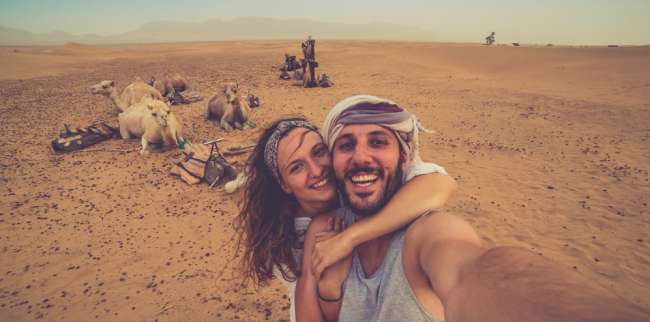
Life in the Middle East is a fascinating blend of ancient traditions and modern transformation, where centuries-old customs coexist with futuristic skylines and global lifestyles. Stretching across parts of Asia and North Africa, this region holds a deep historical and cultural significance—it’s the birthplace of great civilizations and the cradle of the world’s three major religions: Judaism, Christianity, and Islam. Yet beyond the headlines and stereotypes, the real life in the Middle East is diverse, dynamic, and far more nuanced than most people imagine.
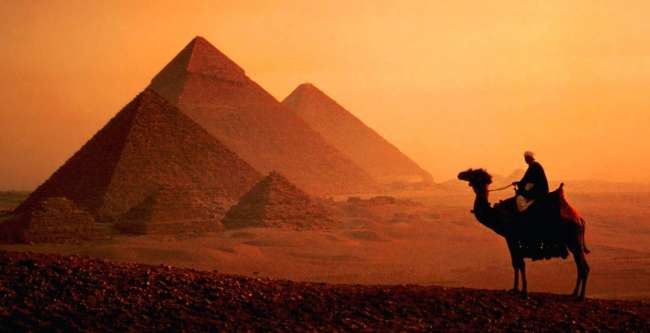
Travelers who dream of uncovering places shaped by ancient civilizations, dramatic landscapes, and vibrant modern cities often find themselves drawn to the Middle East. This region, stretching from the Mediterranean coastline to the Arabian deserts, offers a mix of history, culture, religion, and innovation that you can rarely find in one place. Across these lands, you can wander through stone-carved cities that glow pink at sunset, stand in the shadow of monumental temples built thousands of years ago, or look up at futuristic skylines that reflect the ambitions of today’s world.
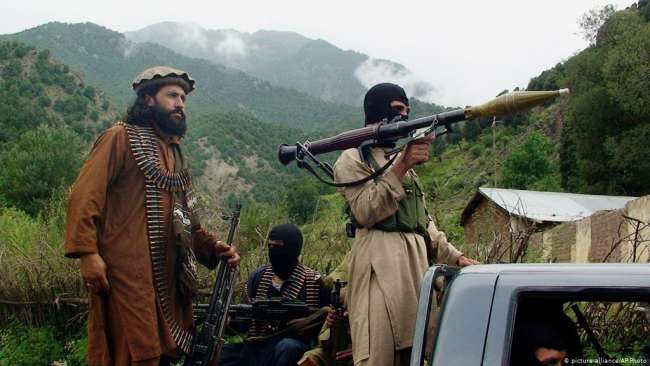
The Taliban emerged in southern Afghanistan during a turbulent period that followed the departure of Soviet forces from the country in 1989. Their founder, Mullah Mohammad Omar, belonged to the Pashtun ethnic group and had previously fought as a mujahedeen commander helping resist the Soviet invasion. By 1994, Afghanistan was plagued by widespread instability, corruption among warlords, and violent criminality, creating an environment ripe for a new force promising order.

The Middle East and North Africa region—commonly referred to as MENA—possesses a remarkable blend of human capital and natural wealth. It holds a substantial share of global petroleum reserves and plays a key role in international energy markets. Although the region enjoys a generally comfortable standard of living, its countries differ significantly when you look at their individual resource bases, geographical sizes, populations, and long-term economic conditions. These contrasts help explain why some states have become major global players while others remain developing economies.
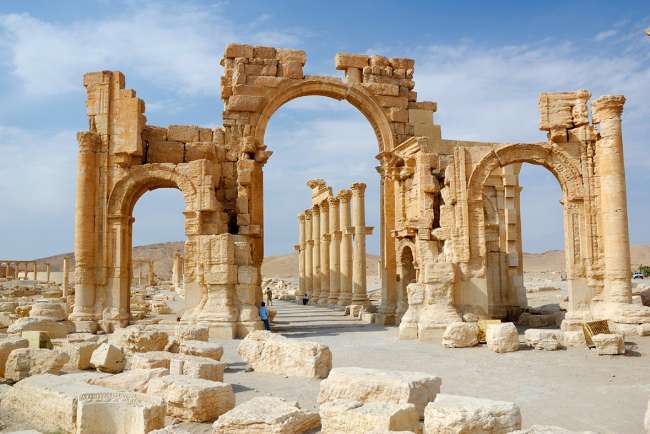
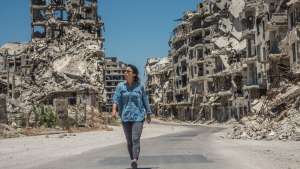
Syria stands at the crossroads of humanity’s story—a land where civilization first learned to write, build, trade, and dream. Few places on Earth have witnessed as many empires rise and fall upon the same soil. From the dawn of agriculture to the birth of alphabets, from the temples of ancient Mesopotamia to the bustling courts of Islamic dynasties, Syria has carried the weight of human progress for more than ten millennia. Its cities—Damascus, Aleppo, Ebla, and Palmyra—are not merely old names in history books; they are living archives of humankind’s endurance and creativity.
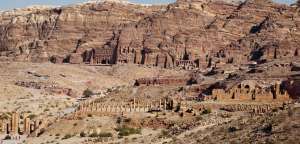
Few nations combine ancient memory and modern identity as gracefully as Jordan. This small Middle Eastern kingdom, officially the Hashemite Kingdom of Jordan, sits quietly at the meeting point of three continents—Asia, Africa, and Europe—where the past still whispers through every stretch of desert and every carved stone. It’s a place where biblical lands and Roman ruins coexist with lively cafés in Amman, and where hospitality remains more than custom—it’s a way of life.
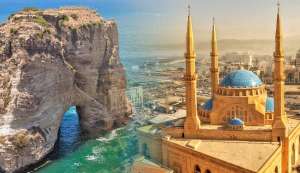
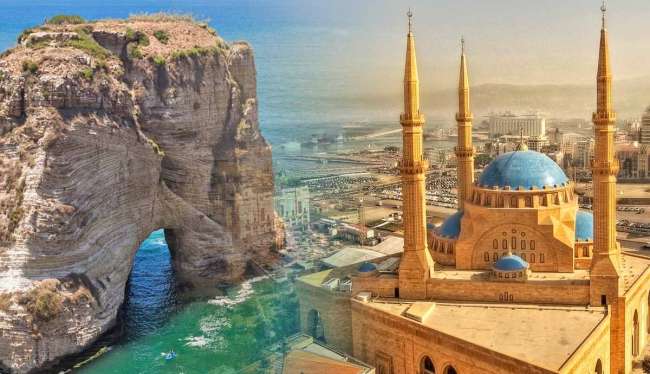
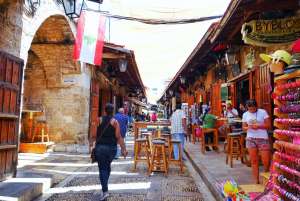
Beirut feels unlike any other city in the Middle East — warm, chaotic, stylish, historic, and modern all at the same time. It’s a place where the sea touches the edge of the city, where old stone houses sit next to sleek new buildings, and where every neighborhood has its own rhythm. Beirut carries thousands of years of history, yet it lives with a youthful energy that you feel the moment you arrive. People sit in cafés for hours over tiny cups of coffee, fishermen cast their lines from rocky shores, and the scent of fresh bread, cardamom, and grilled meats drifts through the streets. There’s an openness here, a mix of cultures and influences that comes from centuries of trade, migration, and rebuilding.
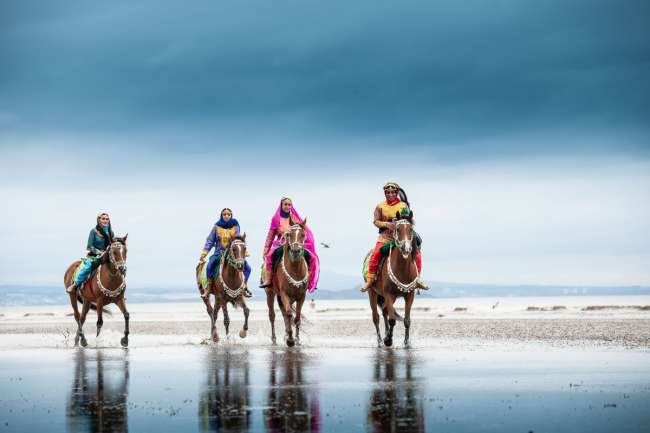
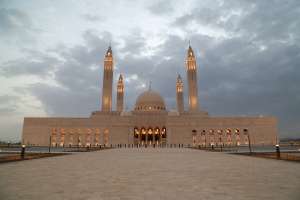
Oman is one of those rare places where ancient traditions still hum quietly beneath the rhythm of modern life. Nestled along the southeastern edge of the Arabian Peninsula, this peaceful nation tells its story through wind-carved deserts, mountain forts, and the scent of frankincense drifting through its streets. Though small compared to its neighbors, Oman stands tall in heritage, beauty, and hospitality — a country that blends humility with timeless grandeur.
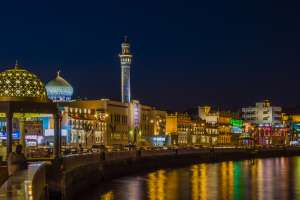
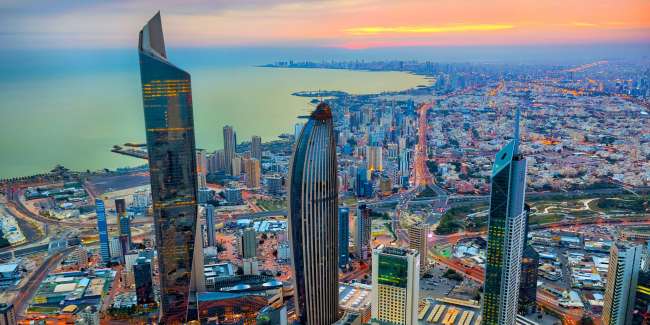
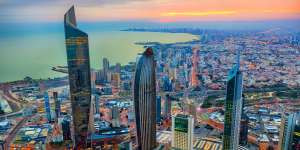
Kuwait City is the beating heart of Kuwait, serving as the country’s political, economic, and cultural center. It’s a city where tradition gracefully intertwines with modern innovation, and where glass towers rise beside historic landmarks that tell the story of an ever-evolving nation. The rhythm of life here feels different from that of other Gulf capitals—it’s modern and ambitious, yet deeply respectful of its roots.
Tourism in Kuwait primarily comes from neighboring Gulf Cooperation Council (GCC) countries, thanks to easy visa access and convenient transportation. However, visitors from Europe, Asia, and the Americas are increasingly drawn to this destination for its unique combination of heritage and sophistication. The top places to visit in Kuwait City mirror the style of other Gulf cities such as Dubai, Doha, or Abu Dhabi, yet there’s something distinctly authentic about Kuwait’s version of modernity.
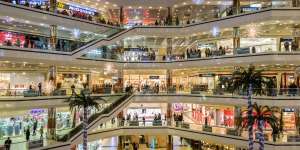
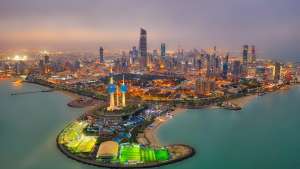
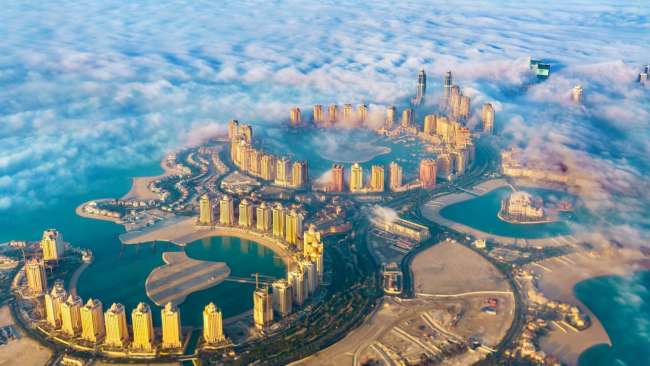
Doha today stands as one of the most dynamic and forward-looking cities in the Middle East—a place where ambition and innovation seem to grow as rapidly as the skyline itself. Over the past decade, the capital of Qatar has transformed into a thriving hub for business, education, culture, and sports. Its modern energy attracts professionals, artists, and dreamers from every corner of the world, all eager to contribute to the country’s vision of progress and prosperity.
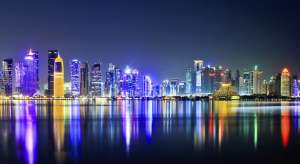
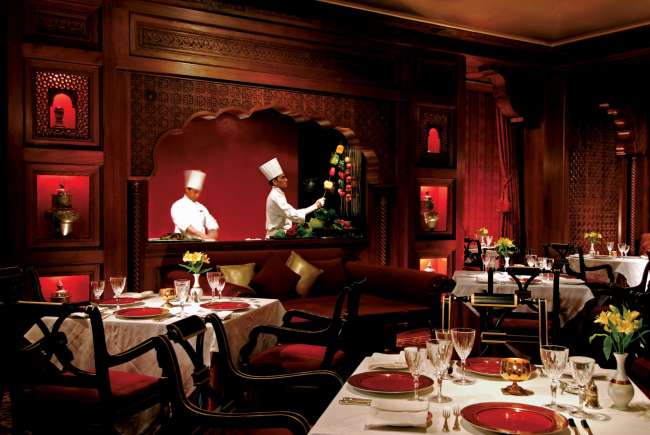
Food is one of the purest ways to experience a country’s soul, and in Bahrain, every meal tells a story. This small island nation in the Arabian Gulf may be modest in size, but when it comes to flavor, creativity, and hospitality, it stands shoulder to shoulder with some of the world’s top culinary destinations. The dining scene here has evolved dramatically over the past decade, blending Bahraini tradition with global sophistication. Whether you’re wandering through Manama’s lively neighborhoods or dining by the tranquil waters of Bahrain Bay, you’ll find restaurants that offer not just food, but entire experiences — crafted with passion, precision, and a touch of cultural pride.
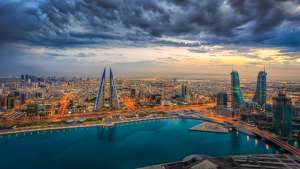
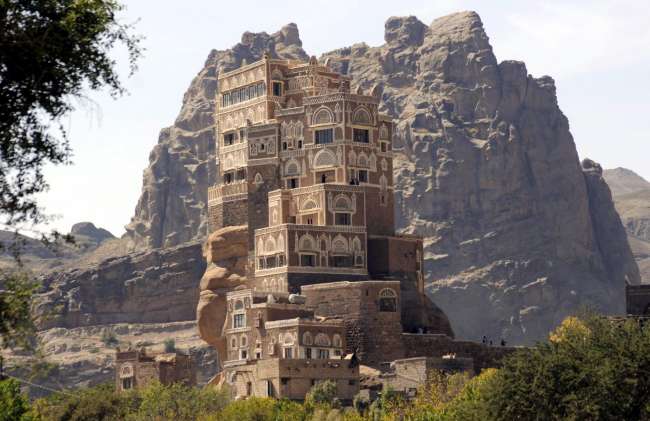
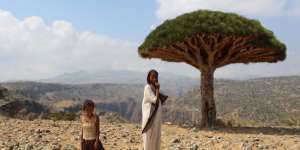
Yemen is a land of contrasts—where the vast Arabian desert meets ancient architecture, rugged mountains, and remote islands filled with life forms found nowhere else on Earth. Once known in antiquity as the Kingdom of Sheba, Yemen’s rich history is woven into Biblical tales, early Jewish and Christian influences, and later, the rapid spread of Islam during the 7th century. This country holds the soul of the ancient world in its soil—stone palaces carved into cliffs, walled villages perched high above clouds, and marketplaces that have thrived for centuries.
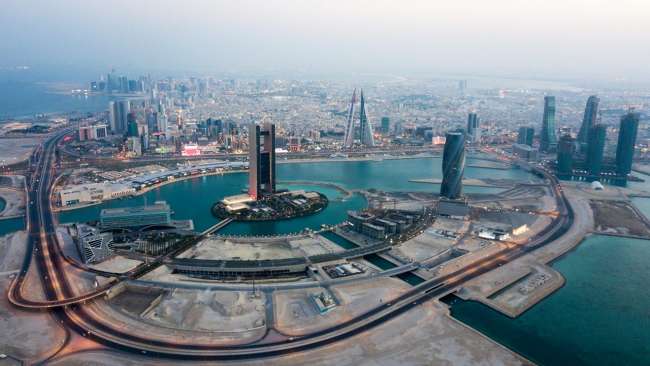
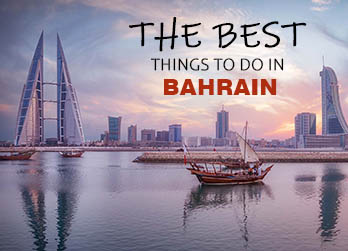
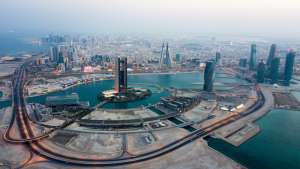
Bahrain, whose name literally translates to “two seas,” stands as one of the most intriguing and progressive nations in the Arabian Gulf. It was among the earliest Gulf states to strike oil and to establish a refinery, marking a turning point in its economic and political evolution. However, unlike its neighbors Kuwait and Saudi Arabia, Bahrain’s oil reserves never reached the same abundant levels. This limitation turned out to be both a challenge and a blessing, as it pushed Bahrain to diversify its economy early on, transforming it into a hub for banking, trade, and tourism.
Iran, a land celebrated for its timeless architecture and the warmth of its people, has long been a crossroads of civilizations. It’s a place where ancient empires once ruled, where poets found their muse, and where intricate artistry still thrives in every tile, dome, and garden. Beyond its beauty, Iran’s greatest charm is perhaps its people — friendly, welcoming, and proud of their heritage. The country tells stories of ancient civilizations and grand dynasties, of science, spirituality, and art woven together over millennia. With its lush gardens, bustling bazaars, and the scent of saffron and rosewater lingering in the air, Iran stands out as one of the most inviting destinations in the Middle East — one that every traveler should experience at least once.
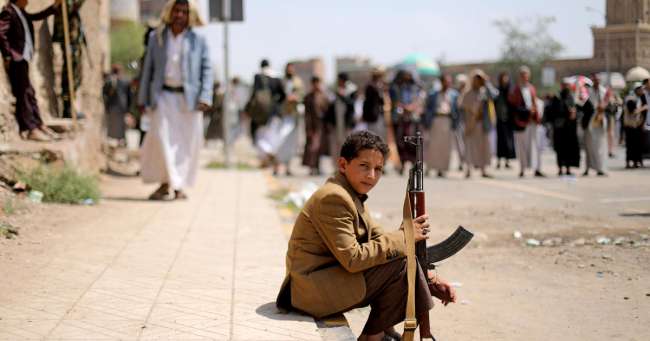
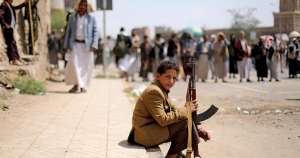
The war in Yemen has been one of the longest and most devastating conflicts in the modern Middle East. What began as a domestic power struggle soon evolved into a complex regional confrontation that continues to devastate the nation’s population and infrastructure. The fighting between the Saudi-led coalition and the Iranian-backed Houthi rebels has caused immense civilian suffering, mass displacement, and a prolonged humanitarian crisis.

Find More
Things to do in Israel: Best Places to Visit
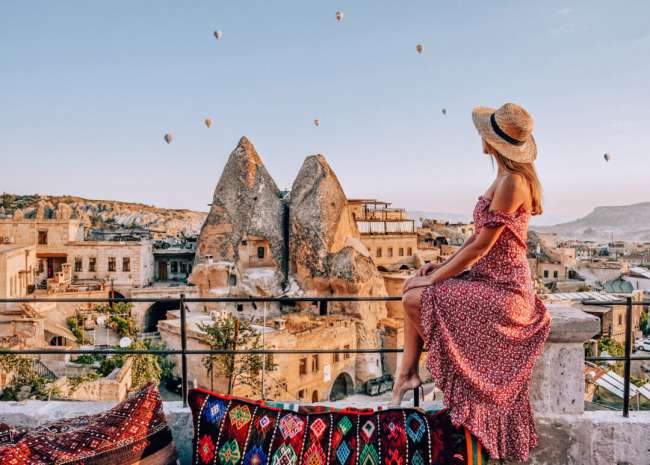
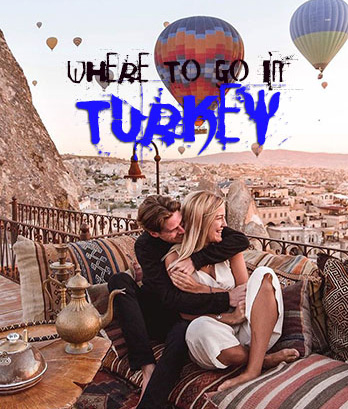
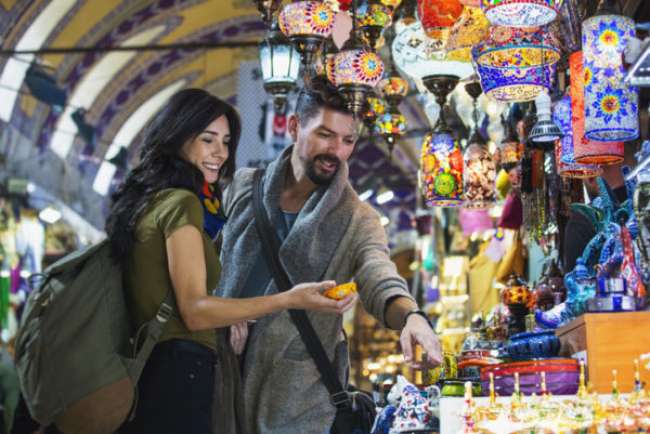
Traveling through Turkey feels like opening a book where every chapter shifts into a new setting — from busy city streets to calm lakes, turquoise bays, and silent valleys shaped by wind and time. The country is wide, diverse, and full of contrasts, which is exactly why a well-thought-out route makes the entire experience richer and smoother. If you want a journey that moves from culture to coastline to nature without feeling rushed, the best approach is to let each region show you its own personality. Turkey is very easy to travel through, and with a bit of planning, you can enjoy everything slowly, naturally, and without stress. Istanbul is usually the first stop, and it’s a great introduction to the country’s mix of old and new. Walking through the Grand Bazaar is something every traveler should experience at least once — the maze of stalls, the glow of hanging lamps, the smell of spices, and the sound of bargaining all blend into one unforgettable atmosphere. Around the bazaar, it’s easy to wander into narrow streets filled with shops, tea houses, hidden courtyards, and suddenly find yourself in the middle of a local conversation.
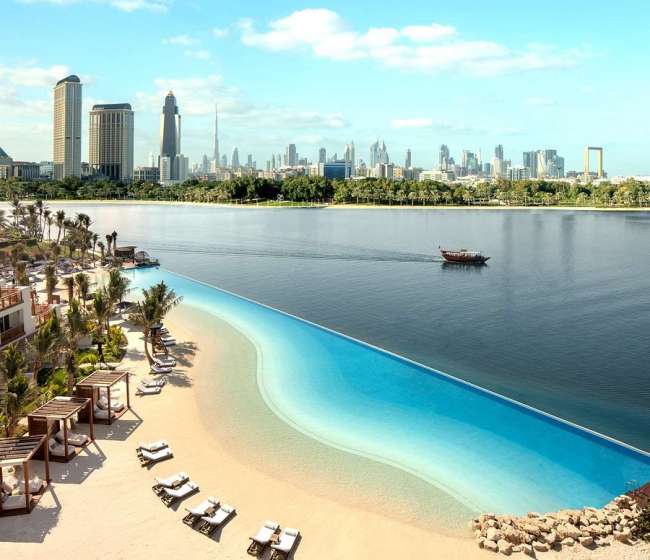
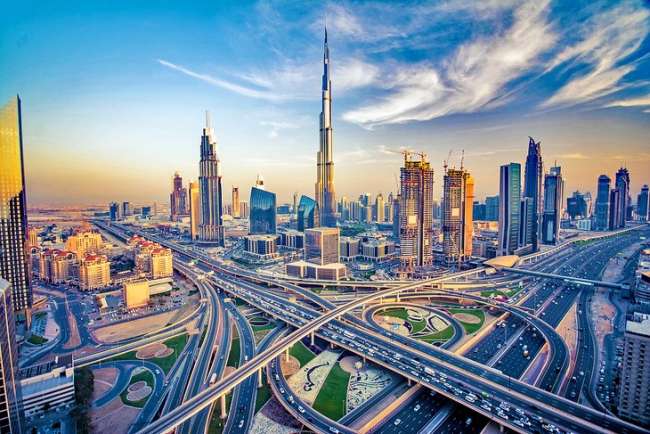
Dubai’s Transformation & Its Future
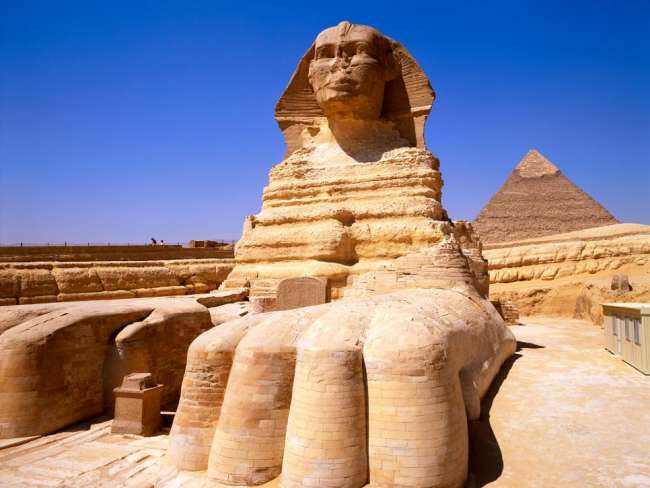
15 Strangest Things Recently Discovered In Egypt