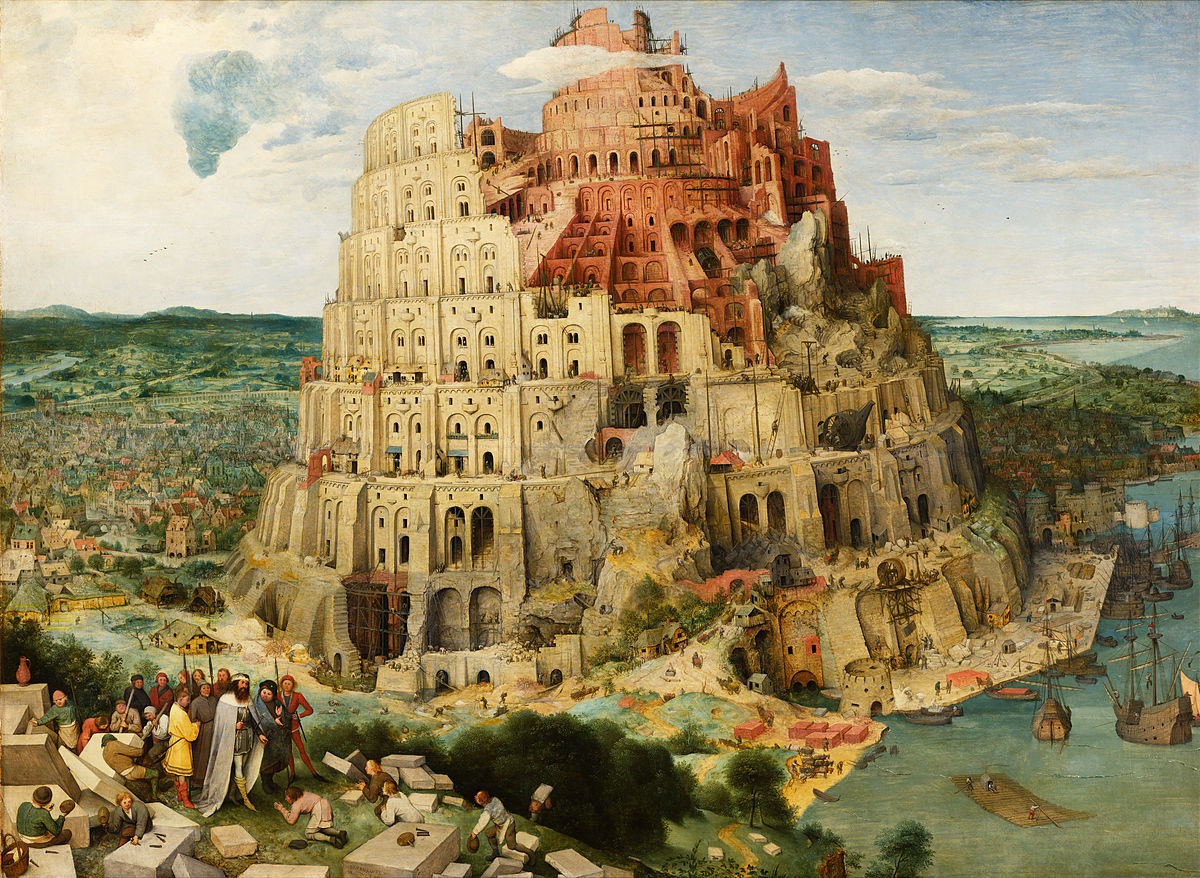
When people hear the name Iraq, their first thoughts often drift toward decades of conflict, dusty battlefields, and political turmoil. Yet beneath that scarred surface lies a land that once stood at the very center of human civilization—a place where writing was born, cities first rose, and ideas that shaped the modern world took root. Iraq is not just another country in the Middle East; it is a living museum of the ancient world.

The twin rivers, the Tigris and Euphrates, carve through its plains, nourishing lands that gave rise to the earliest known societies of Mesopotamia, Sumer, Akkad, and Babylon. This is why Iraq is forever called the Cradle of Civilization. Its soil holds the remnants of empires and echoes of prophets, poets, and conquerors. The region gave humanity the first cities, the earliest written laws, and monumental achievements in science, mathematics, medicine, and theology.
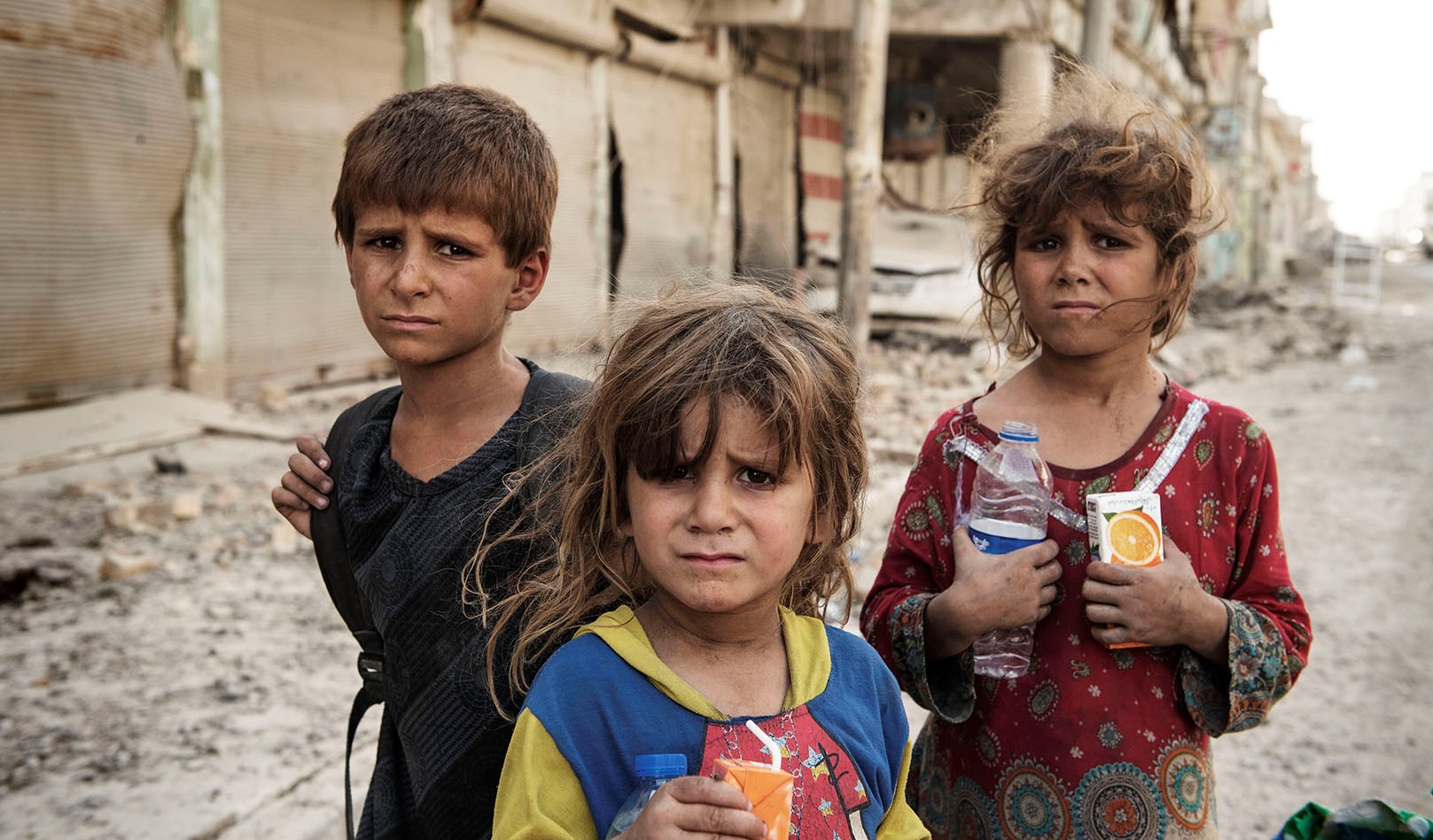
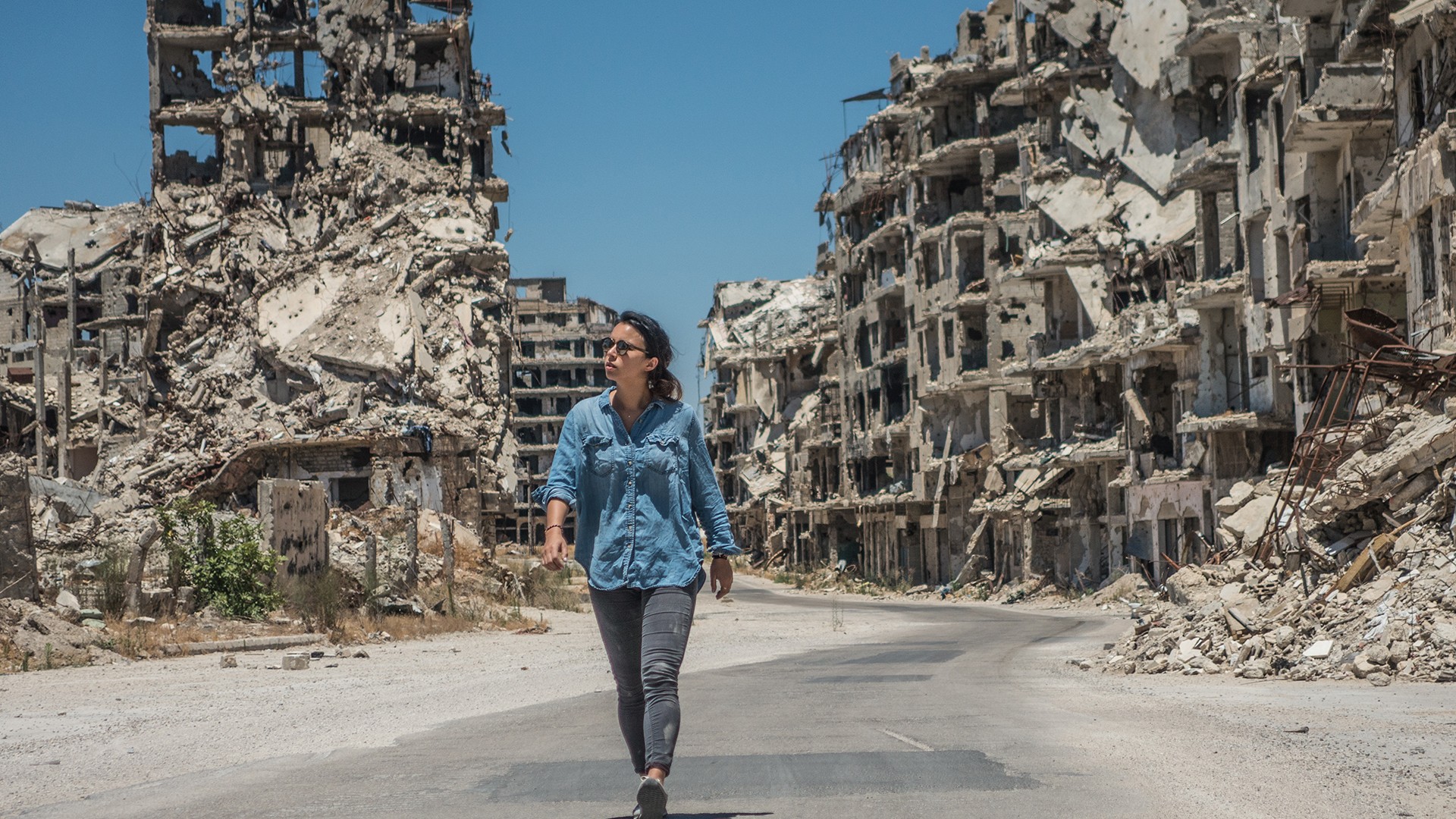
Fourteen years after it began, the Syrian Civil War remains one of the most haunting chapters of the modern Middle East. What started in 2011 as peaceful demonstrations calling for reform spiraled into a catastrophic multi-sided conflict that redrew alliances, shattered cities, and displaced millions. Today, Syria stands at a crossroads — caught between fragile recovery and the lingering shadows of war.

The fall of Bashar al-Assad in 2024 marked a turning point. For the first time in over five decades, Syrians are navigating their future without authoritarian rule, yet the challenges ahead are immense. Reconstruction is slow, foreign forces still occupy strategic zones, and millions continue to live as refugees or in makeshift camps.

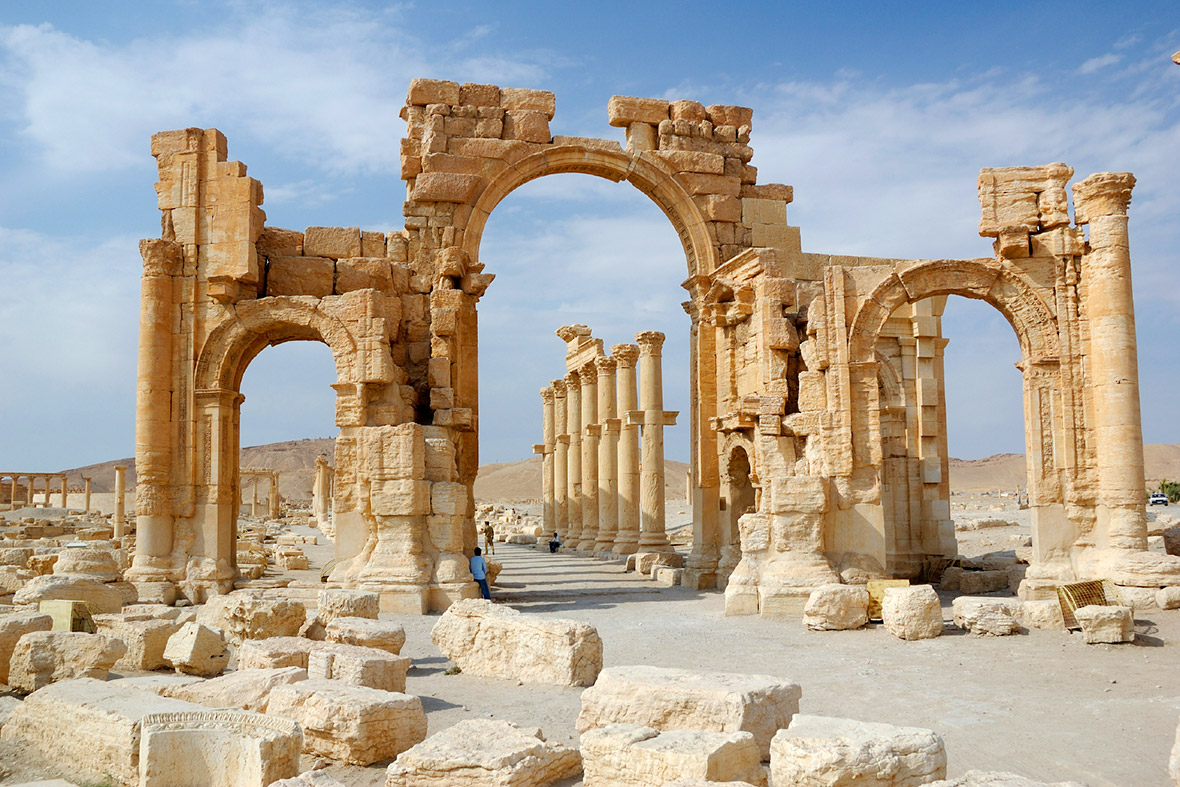
Syria stands at the crossroads of humanity’s story—a land where civilization first learned to write, build, trade, and dream. Few places on Earth have witnessed as many empires rise and fall upon the same soil. From the dawn of agriculture to the birth of alphabets, from the temples of ancient Mesopotamia to the bustling courts of Islamic dynasties, Syria has carried the weight of human progress for more than ten millennia. Its cities—Damascus, Aleppo, Ebla, and Palmyra—are not merely old names in history books; they are living archives of humankind’s endurance and creativity.

For centuries, Syria stood as one of the most culturally rich and historically layered civilizations in the Middle East. From the ancient ruins of Palmyra to the bustling markets of Aleppo and Damascus, the country carried the weight of countless empires and faiths that had shaped its soil. But in the last decade, this same land — once alive with trade, learning, and art — became synonymous with devastation and human loss. The civil war in Syria has not only taken more than 130,000 lives but also obliterated its heritage, its identity, and its very soul.

Few nations combine ancient memory and modern identity as gracefully as Jordan. This small Middle Eastern kingdom, officially the Hashemite Kingdom of Jordan, sits quietly at the meeting point of three continents—Asia, Africa, and Europe—where the past still whispers through every stretch of desert and every carved stone. It’s a place where biblical lands and Roman ruins coexist with lively cafés in Amman, and where hospitality remains more than custom—it’s a way of life.

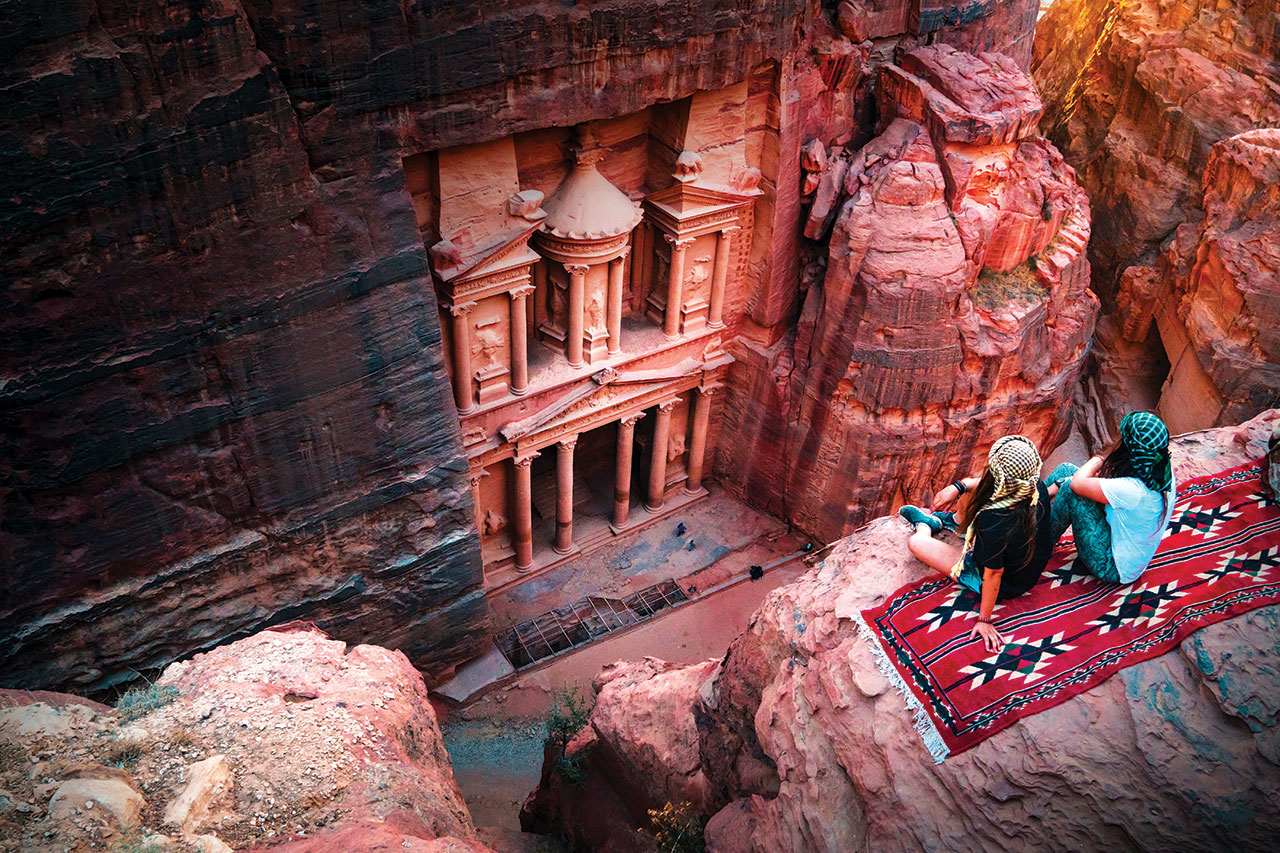
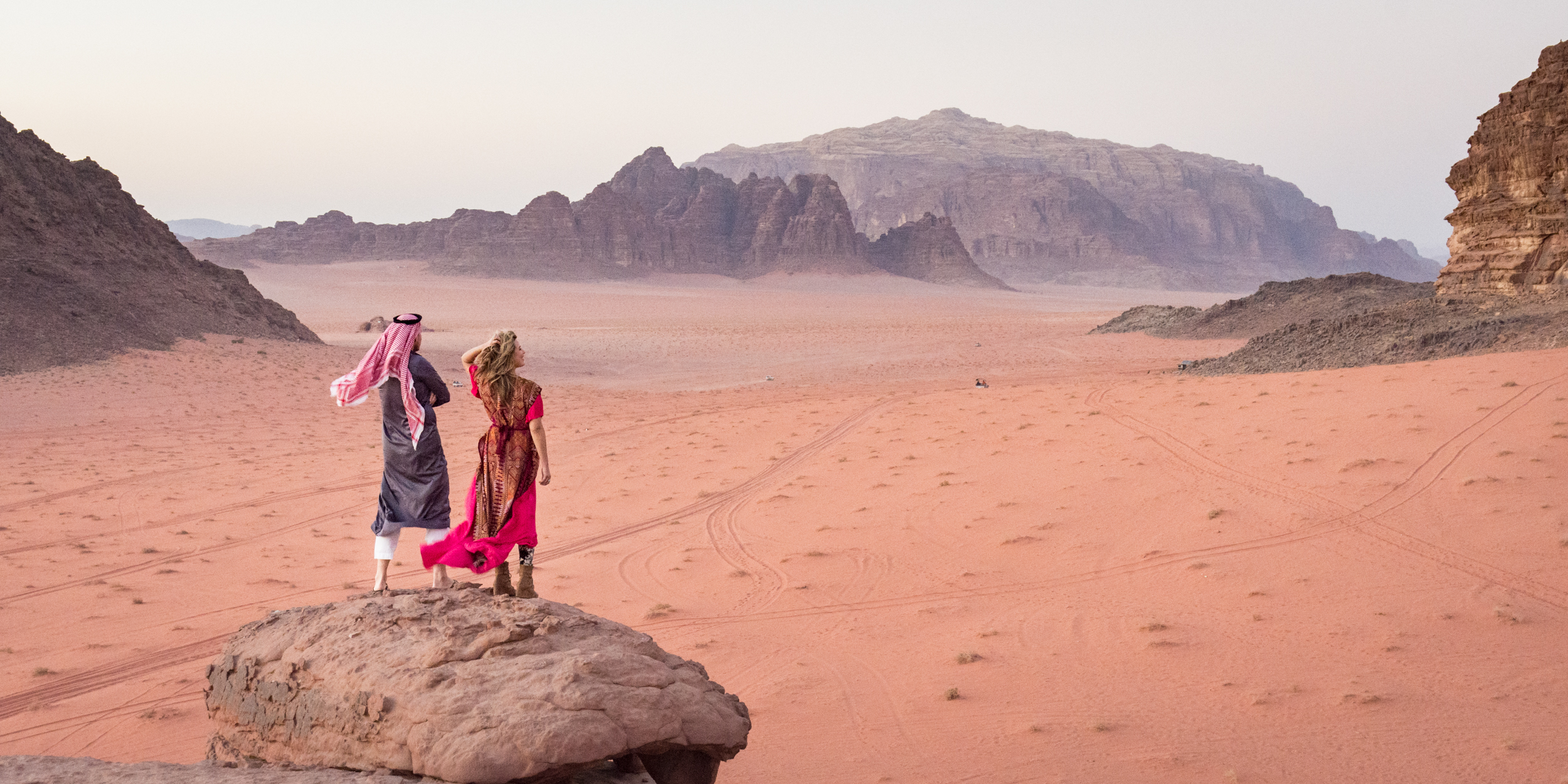
Jordan is a land that lingers in the imagination long before you set foot on its soil. Though it often remains under the radar of mainstream travel, those who do visit soon realize it holds some of the world’s most breathtaking wonders. From the crimson dunes of Wadi Rum to the sculpted cliffs of Petra and the haunting grandeur of Jerash, every corner of Jordan tells a story carved by time, faith, and resilience.

Travelers are often astonished by the variety this small kingdom offers. One moment you’re standing on a windswept mountain looking down upon the Dead Sea, and the next you’re tracing ancient mosaics in Madaba or wandering through vibrant markets in Amman. Jordan feels timeless, yet alive — where modern life blends with millennia of history.