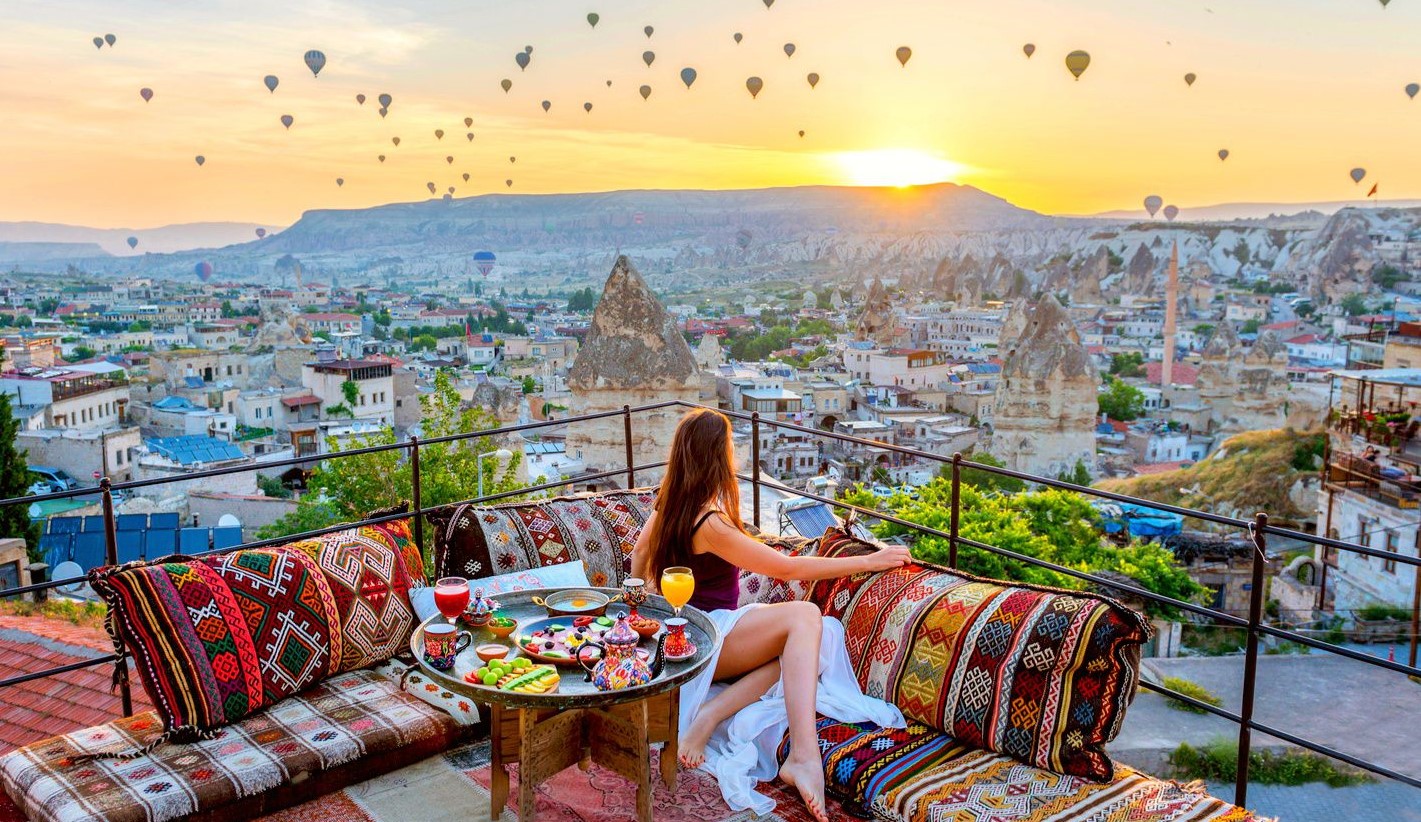
Istanbul is a city that truly carries the weight of empires within its walls, gracefully blending the legacies of Asia and Europe into one mesmerizing whole. It is a place where ancient domes rise beside glass towers, where centuries-old bazaars coexist with modern cafés, and where echoes of history meet the pulse of a thriving metropolis. Founded in the Neolithic era, Istanbul has grown from the once-glorious Constantinople into a cosmopolitan hub while preserving its old-world charm through its mosques, basilicas, cathedrals, and labyrinthine markets.

Turkey’s coastline is one of those places that immediately pulls you in, not just because of the beauty of the sea, but because every stretch of sand feels different from the next. Along the Aegean and Mediterranean coasts, the water shifts between shades of turquoise, sapphire, and teal, often so clear that you can see small fish swimming near your feet. Pine-covered hills lean toward the shore, cliffs drop suddenly into deep blue bays, and long sandy beaches stretch for kilometers beneath soft sunlight. The air carries a mix of sea breeze, warm earth, and the scent of nearby forests, creating a calm feeling that makes days here pass slowly and gently.

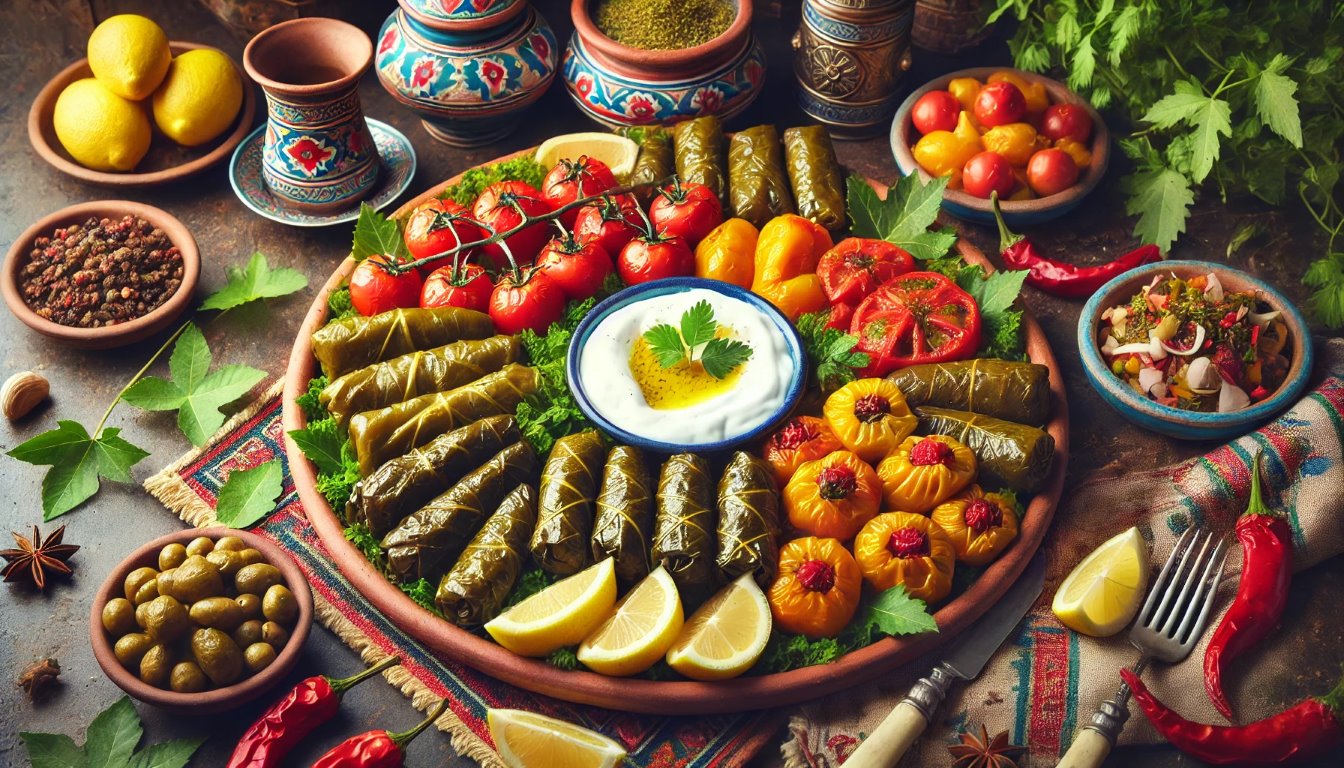
Turkish cuisine has a way of pulling you in from the very first bite. It’s bold without being heavy, rich without feeling overwhelming, and layered with flavors that come from hundreds of years of tradition. Every dish carries hints of the country’s diverse landscape — the warmth of the Mediterranean coast, the earthiness of Anatolian villages, and the spices that once traveled along ancient trade routes. But what truly sets Turkish food apart is the sense of comfort it creates. Meals are slow, generous, and designed to be shared. Tables fill with warm bread straight from stone ovens, plates of grilled meats that release smoky aroma, bowls of stews cooked for hours, and dishes topped with cool yogurt or melted butter that deepen every flavor.

Iraq, a land that once gave birth to the earliest known civilizations, holds some of the most extraordinary archaeological and cultural treasures on Earth. From the ancient realms of Mesopotamia, Sumer, and Assyria to the legendary ruins of Babylon and the towering Ziggurat of Ur, this country was once the heart of human progress. The southern city of Basra, once called the Venice of the East, whispers of its trading past, while Baghdad—the city of fables from One Thousand and One Nights—still stirs the imagination of dreamers and historians alike.

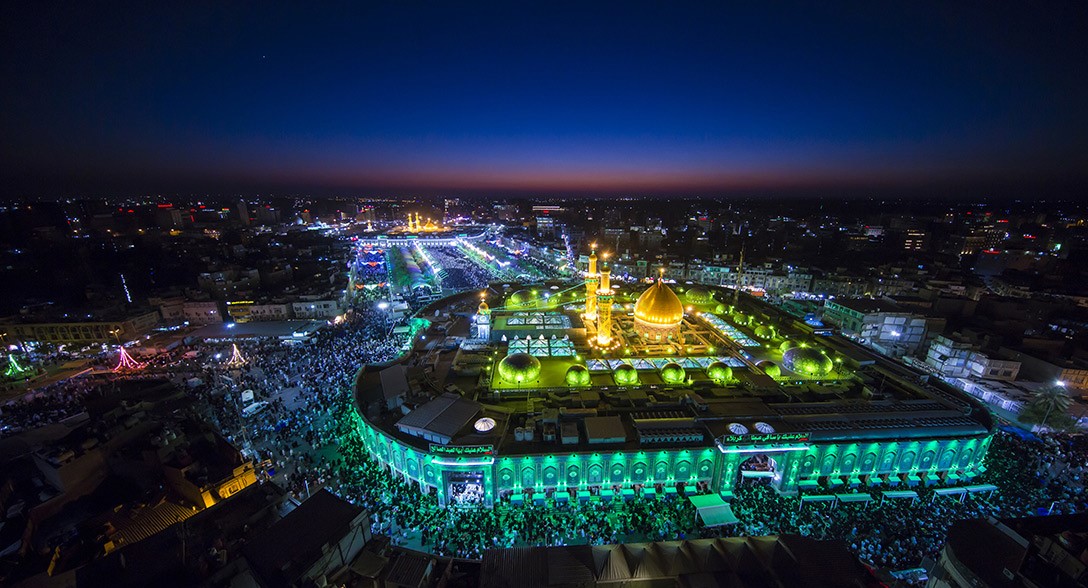
Iraq, often called the cradle of civilization, stands in the very heart of Western Asia — a crossroads where the earliest human societies once flourished and the great empires of history rose and fell. This ancient land, blessed by the mighty Tigris and Euphrates rivers, gave birth to Mesopotamia, the world’s first known civilization. It is a country where history feels alive beneath every stone, from the ruins of Babylon and Ur to the sacred shrines of Najaf and Karbala.

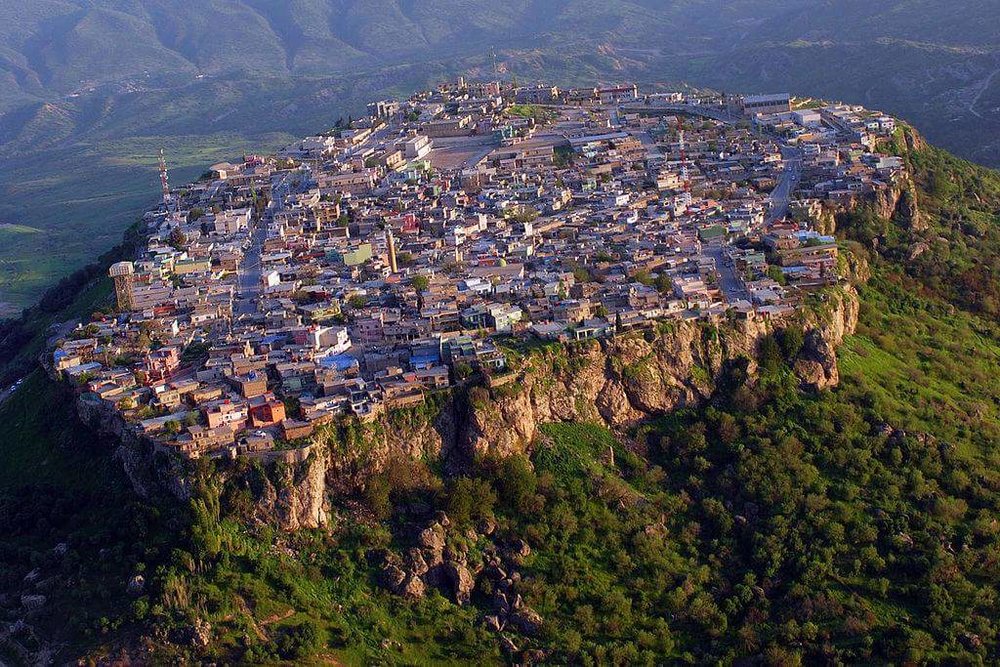
Stretching across 437,072 square kilometers, Iraq shares its borders with Turkey in the north, Iran to the east, Kuwait to the southeast, Saudi Arabia to the south, Jordan to the west, and Syria to the northwest. Its geography is as diverse as its culture — deserts and date-palm oases to the south, rugged mountains and lush valleys in the north, and fertile plains winding along its great rivers.

Iraq’s history reads like a chronicle of human civilization itself — the cradle of Mesopotamia, the land between the Tigris and Euphrates, where writing, law, and architecture first took root. For centuries, it stood as one of the world’s great centers of learning, trade, and empire. Yet in modern times, Iraq’s story has been one of turbulence and reconstruction.

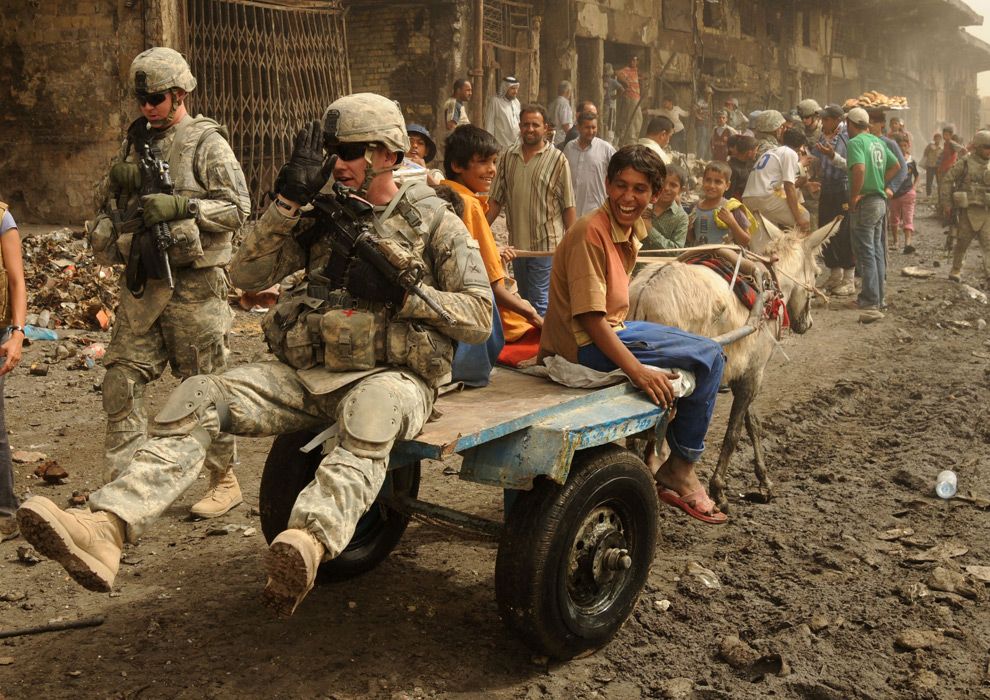
The U.S.-led invasion in 2003 and the fall of Saddam Hussein set off a complex chain of events that reshaped the country in ways few could have imagined. Governments that followed have struggled to stabilize a nation fractured along ethnic and sectarian lines. Decades of conflict have weakened the economy, left cities scarred, and displaced millions, despite the enormous potential of Iraq’s oil wealth.