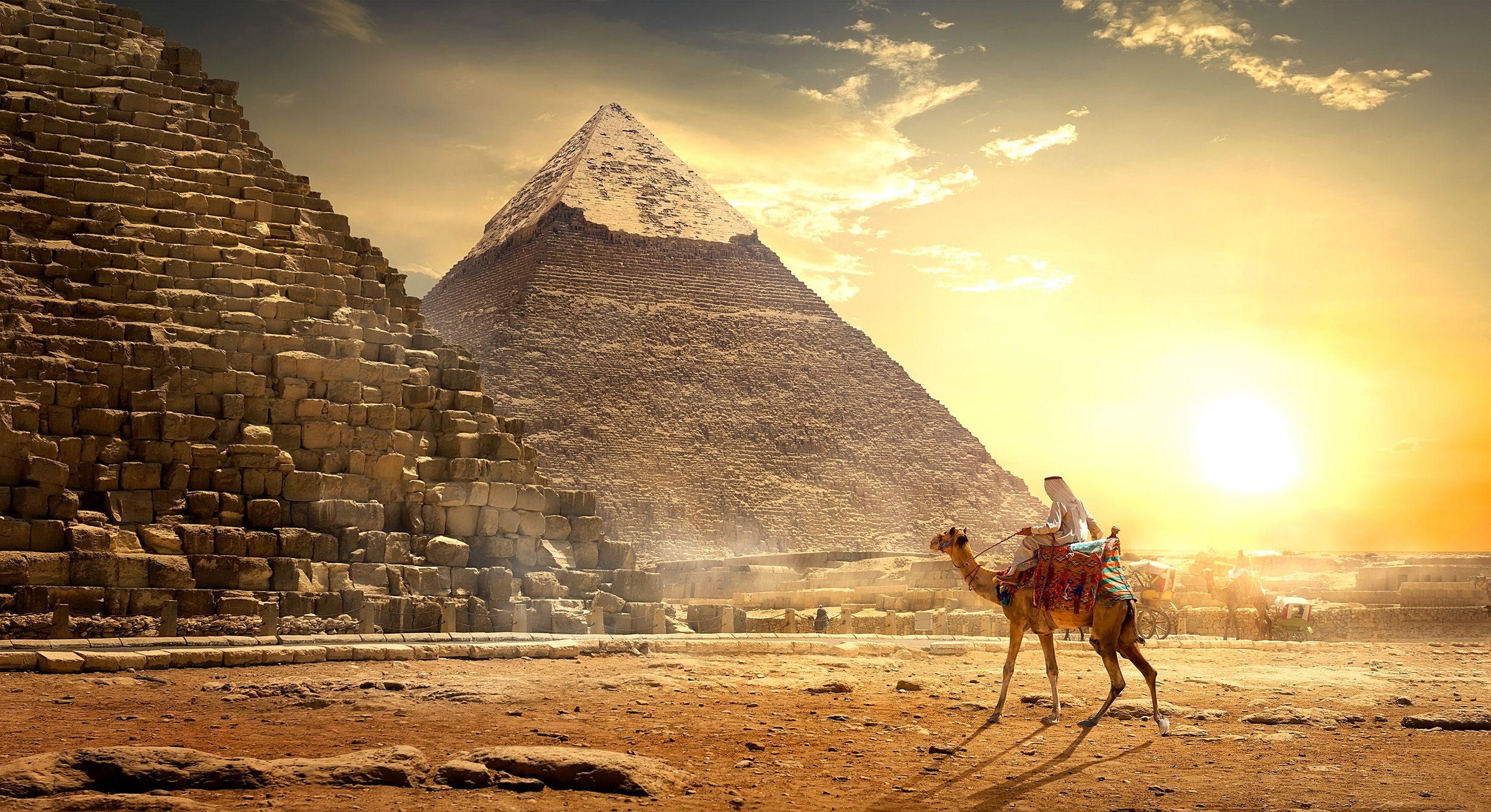
The pyramids of Egypt have long stood as one of humanity’s greatest enigmas. Even in ancient times, travelers, scholars, and conquerors were awed by their sheer size and mystery. Today, they continue to fascinate modern visitors—tourists who marvel at their grandeur, mathematicians who attempt to decipher their proportions, and archaeologists who tirelessly explore the secrets hidden within their stones. These monuments seem eternal, rising above the sands like messages from a civilization determined to outlast time itself.

Packing for Egypt feels a bit like preparing for several different trips at once. One moment you’re imagining yourself walking through ancient temples under the bright sun, and the next you’re picturing the cool evening breeze drifting across the Nile as the city lights reflect on the water. Egypt has layers—modern neighborhoods buzzing with life, quiet desert landscapes where everything feels still, lively markets full of scent and color, and warm Red Sea towns where the days melt into long, peaceful nights. Because of this mix, the things you bring in your suitcase can shape how comfortable and confident you feel throughout your journey.

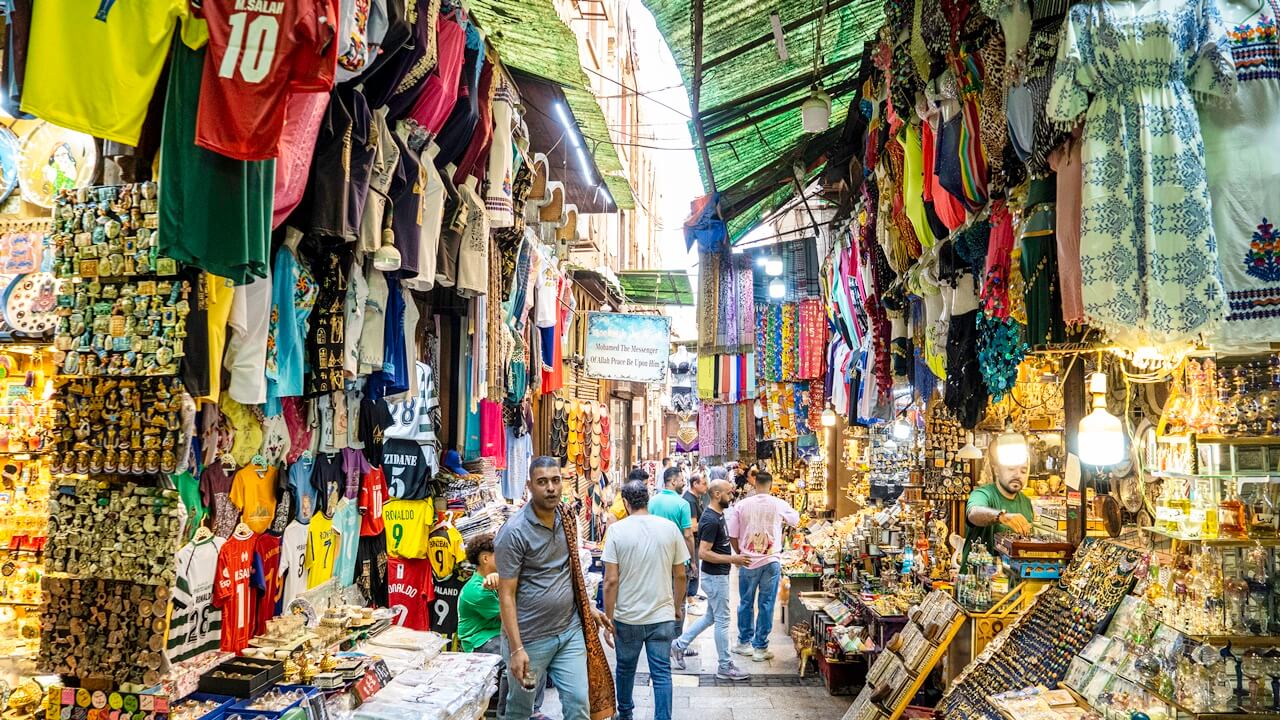
Traveling through Egypt isn’t just about ancient temples and timeless pyramids. The markets—bustling, colorful, chaotic in the best possible way—are where you actually feel the heartbeat of the country. They’re loud, warm, full of personality, and every corner has a mix of scents and voices that somehow blend into a rhythm that stays with you long after you leave. If you want to understand everyday Egyptian life, the bazaars are the place to start.

Saudi Arabia is one of the most influential and geographically vast nations in the Middle East, ranking as the 13th largest country in the world by total land area. Its size alone shapes its identity, culture, and economy, spreading across immense stretches of desert, mountain ranges, and coastal plains. The capital city, Riyadh, stands as the heart of the Kingdom, home to more than four million people and the center of its modern growth. Dozens of medium-sized and smaller cities complete a complex urban network that defines today’s Saudi Arabia.

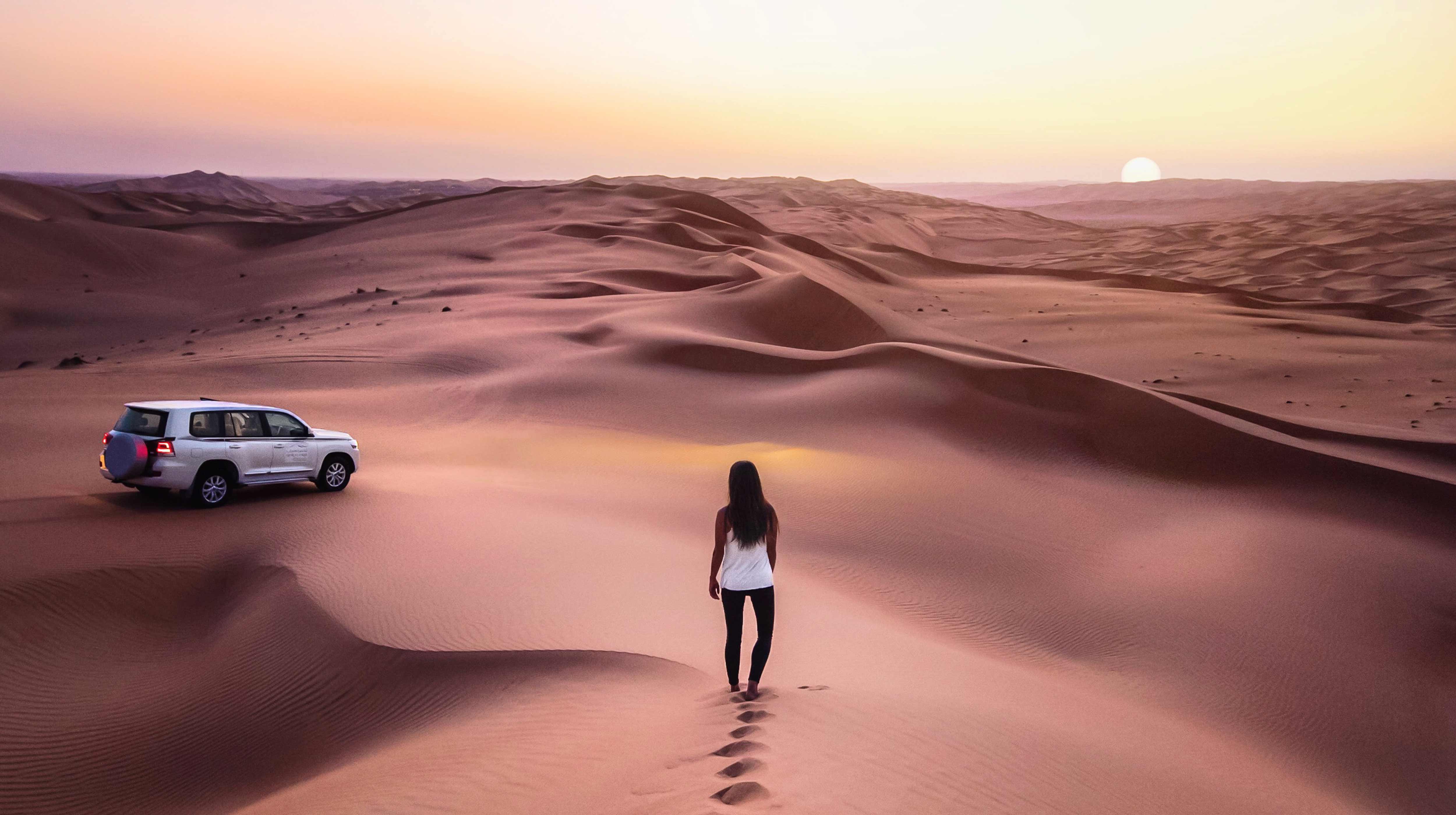
For centuries, Saudi Arabia remained a land wrapped in mystery — a vast, golden expanse of deserts, mountains, and sacred cities that few outsiders were permitted to explore. Known as the spiritual heart of Islam and the birthplace of ancient civilizations, the Kingdom has long captured imaginations but kept its treasures hidden behind tradition and faith. Today, however, with the opening of its borders to tourism, a new chapter is unfolding. Travelers can finally witness the astonishing diversity, culture, and raw beauty that define this remarkable nation.

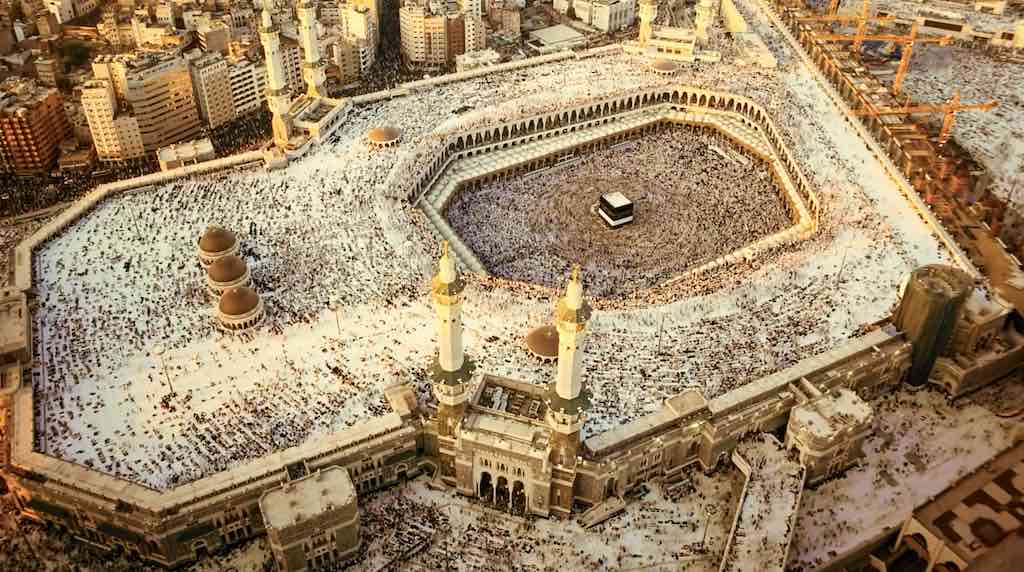
Mecca stands as the beating heart of the Islamic world, revered for over fourteen centuries as the holiest city in Islam. It is the birthplace of Prophet Muhammad and the site where Muslims believe the angel Gabriel revealed the words of the Quran to him — revelations that became the foundation of one of the world’s largest faiths. Since that moment in the 7th century, Mecca has remained the most important religious center for Muslims everywhere, and every year millions journey to its sacred grounds to perform the Hajj pilgrimage, one of Islam’s five essential pillars.