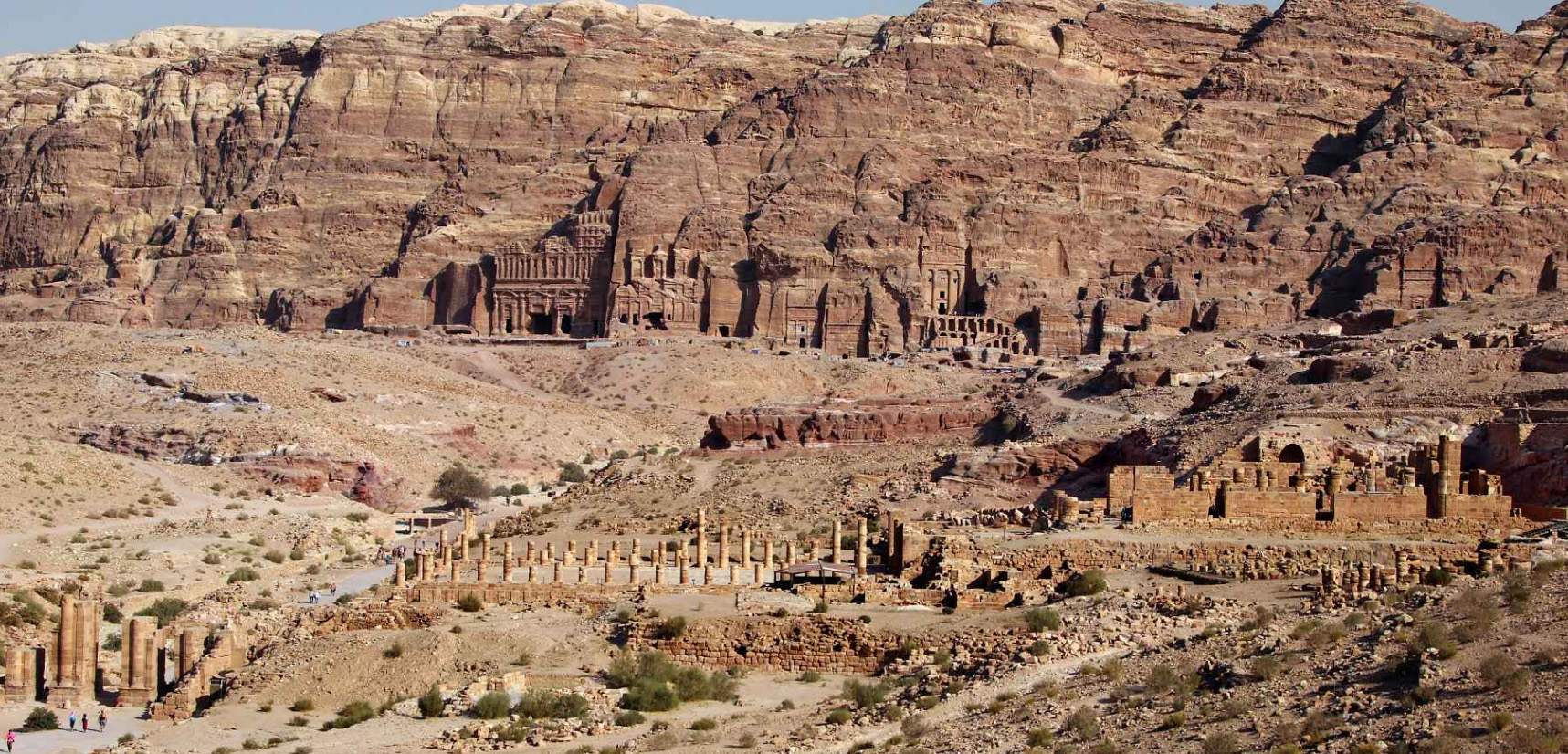
Petra is an ancient city carved into the rose-colored cliffs of what is now southern Jordan, dating back to around the 4th century B.C. Once a thriving metropolis and an essential trading hub of the Nabataean Kingdom, its remnants today tell stories of craftsmanship, devotion, and survival amid harsh desert landscapes. The sprawling ruins now serve as both a vital archaeological site and one of the world’s most remarkable travel destinations.

This visual and descriptive journey through Petra offers a sense of its wonder—the scale of the cliffs, the precision of its rock-cut temples, and the silent grandeur of its valleys. Every pathway, gorge, and ridge reveals how a civilization without modern tools carved an entire world from stone and engineered water systems that kept their city alive in the middle of an unforgiving desert.
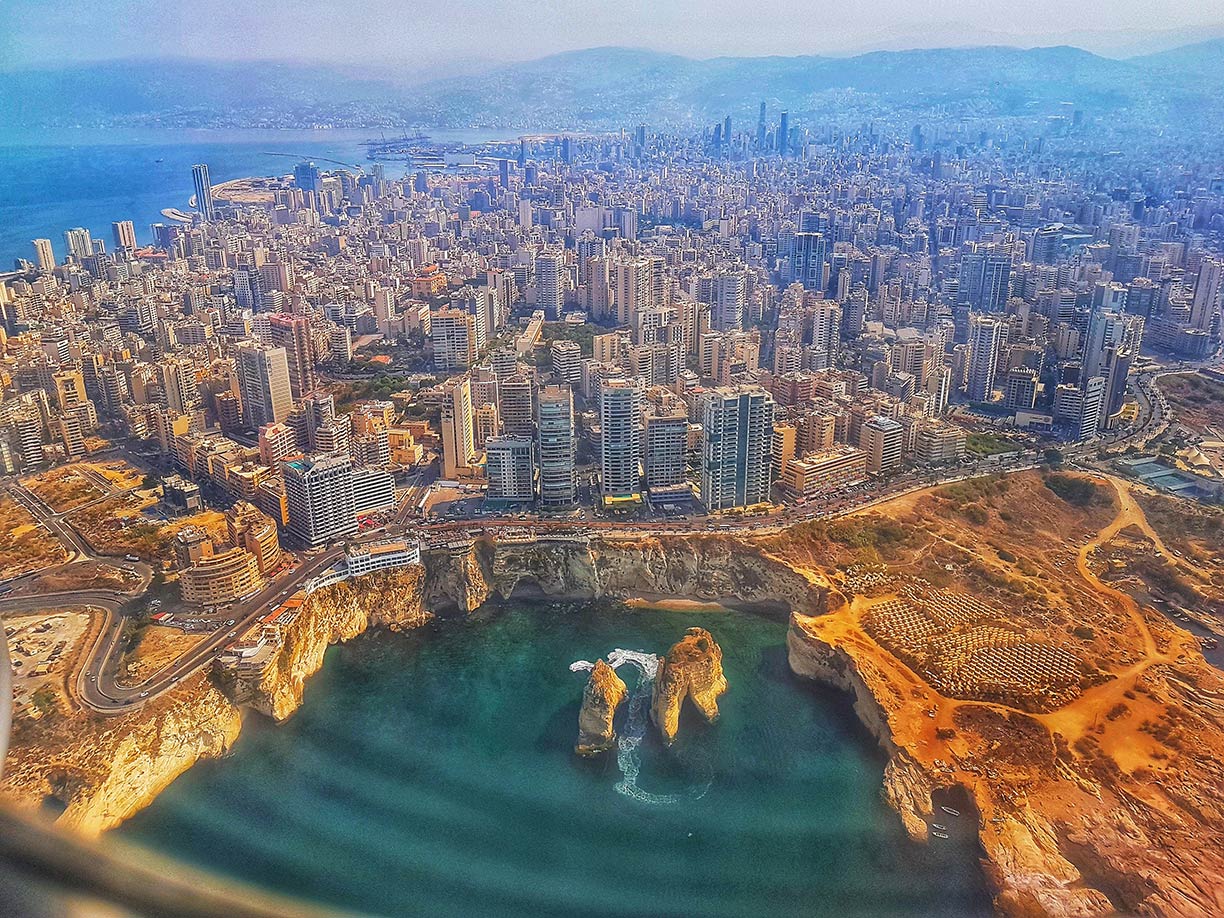
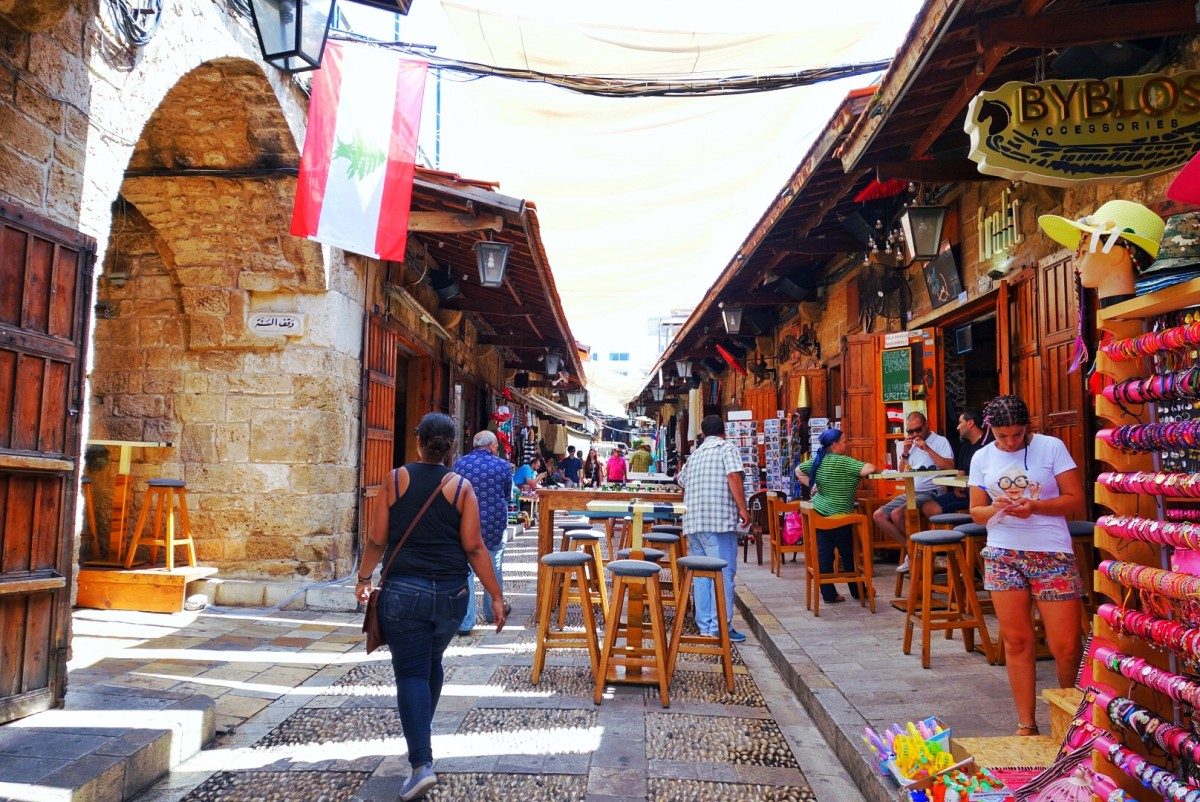
Lebanon, officially called the Lebanese Republic, is an Arabic-speaking nation resting along the eastern coast of the Mediterranean Sea. It is situated in Western Asia, bordered by Syria to the north and east, and Israel to the south, with the island of Cyprus lying a short distance away across the blue expanse of the Mediterranean. Its location at the very crossroads of the Mediterranean Basin and the Arabian hinterland has played a defining role in shaping both its identity and its fate.

Throughout its long and storied history, Lebanon has acted as a cultural bridge between East and West. Traders from ancient Phoenician ports sailed its coasts, Roman legions built their temples on its hills, and Arab dynasties once ruled its fertile valleys. This constant interaction gave Lebanon a remarkable mix of civilizations, languages, and religions that still define the country today.

The earliest signs of civilization in what is now Lebanon reach back over seven thousand years, placing it among the world’s oldest continuously inhabited regions. Long before modern borders were drawn, this stretch of Mediterranean coastline was home to the Canaanites—later known as the Phoenicians—an ancient maritime people whose cities such as Tyre, Sidon, and Byblos became thriving hubs of trade and culture. These seafaring pioneers built sturdy cedar ships and established trade routes that linked them to Egypt, Greece, and the far western Mediterranean. Their alphabet, carved on stone and etched on clay, would later inspire the Greek and Latin writing systems.

If you’re planning a trip to this small yet incredibly diverse Middle Eastern country, you might be surprised at just how much it offers. Lebanon may be compact in size, but it holds a fascinating mix of ancient history, breathtaking natural beauty, and deeply rooted cultures that have intertwined for thousands of years.

One of the most convenient things about traveling through Lebanon is its scale. The country is small enough that you can comfortably stay in one city—most travelers choose Beirut—and explore almost everything else through day trips. That means you can experience Lebanon’s coastal towns, mountain monasteries, and archaeological treasures without having to constantly pack up and move.

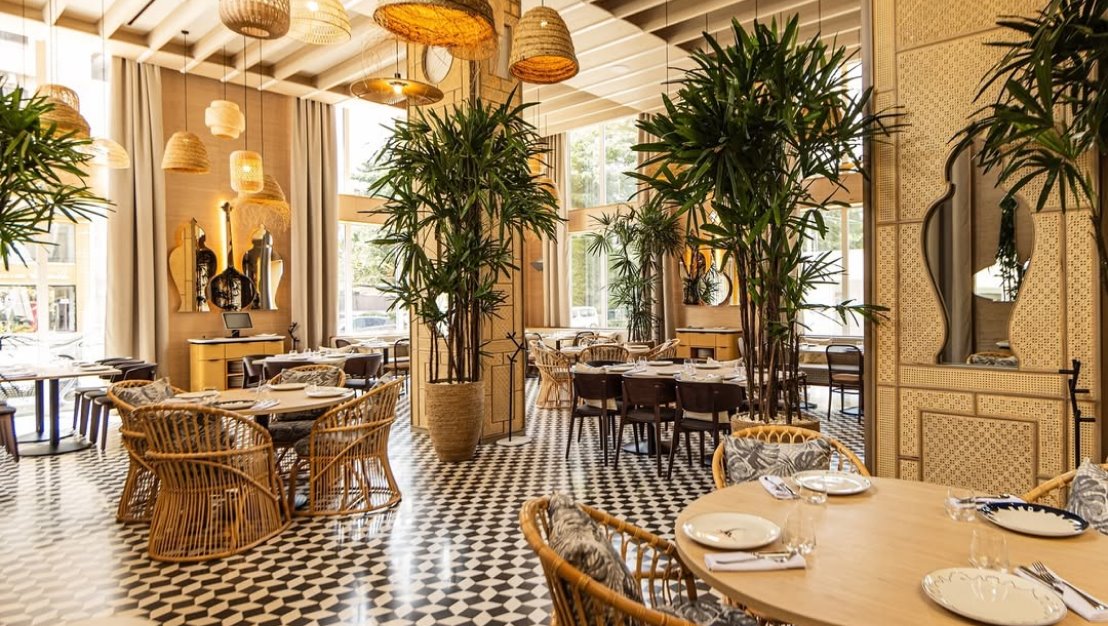
Lebanon is a country where food is more than a meal — it’s a celebration, a tradition, and a way people come together. Eating out here feels warm and familiar, whether you’re sitting at a long table covered with mezza, enjoying grilled seafood by the coast, or trying modern takes on classic dishes in Beirut’s lively neighborhoods. Restaurants in Lebanon carry the same welcoming energy you feel throughout the country: generous plates, loud conversations, the smell of fresh herbs and bread drifting through the air, and a relaxed atmosphere that makes you want to stay longer than planned.

Jeita Grotto is one of Lebanon’s most impressive natural landmarks, hidden in the green valley of Nahr al-Kalb just a short drive from Beirut. It’s a place shaped by water, stone, and time, where massive caves open into chambers filled with towering formations that look almost otherworldly. The grotto is divided into two sections — the Upper Grotto, explored through walkways, and the Lower Grotto, visited by a quiet boat ride along an underground lake. Together, they create an experience that feels calm, mysterious, and completely unique. The area around the caves is peaceful and surrounded by hills, with pathways, gardens, and lookout spots that make the whole visit feel like a small escape from the pace of the city.