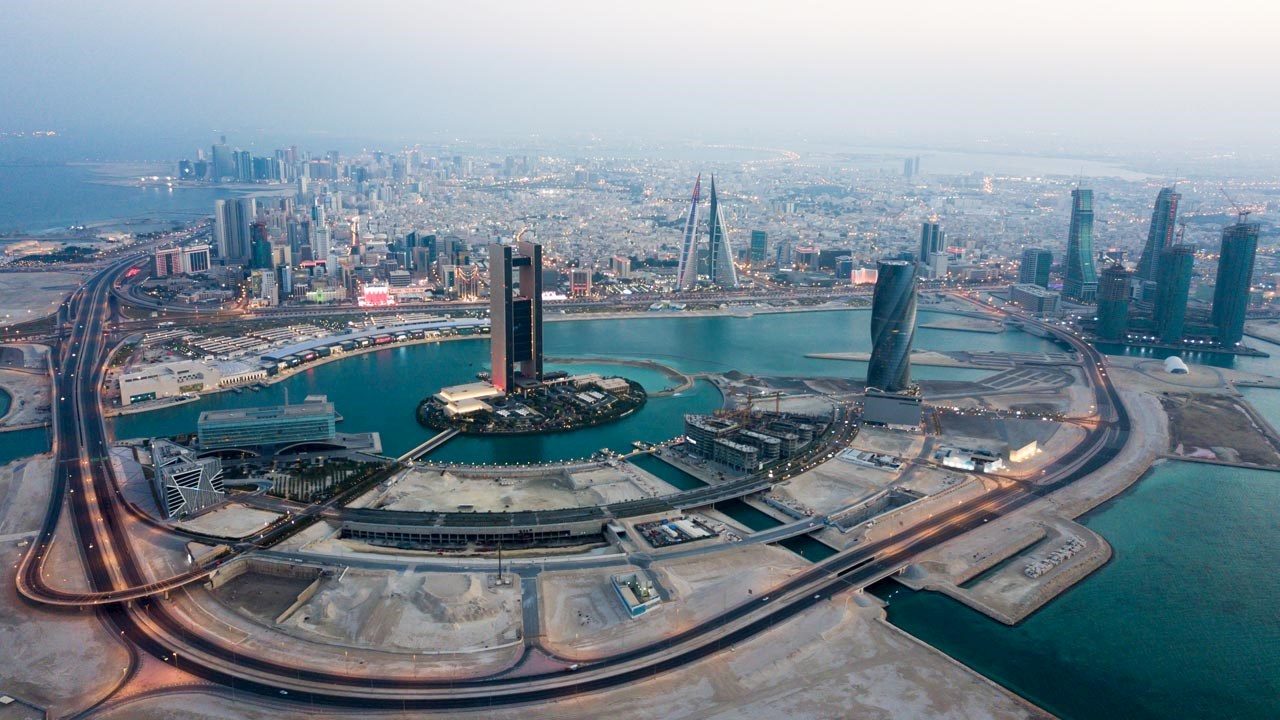
Bahrain, whose name literally translates to “two seas,” stands as one of the most intriguing and progressive nations in the Arabian Gulf. It was among the earliest Gulf states to strike oil and to establish a refinery, marking a turning point in its economic and political evolution. However, unlike its neighbors Kuwait and Saudi Arabia, Bahrain’s oil reserves never reached the same abundant levels. This limitation turned out to be both a challenge and a blessing, as it pushed Bahrain to diversify its economy early on, transforming it into a hub for banking, trade, and tourism.
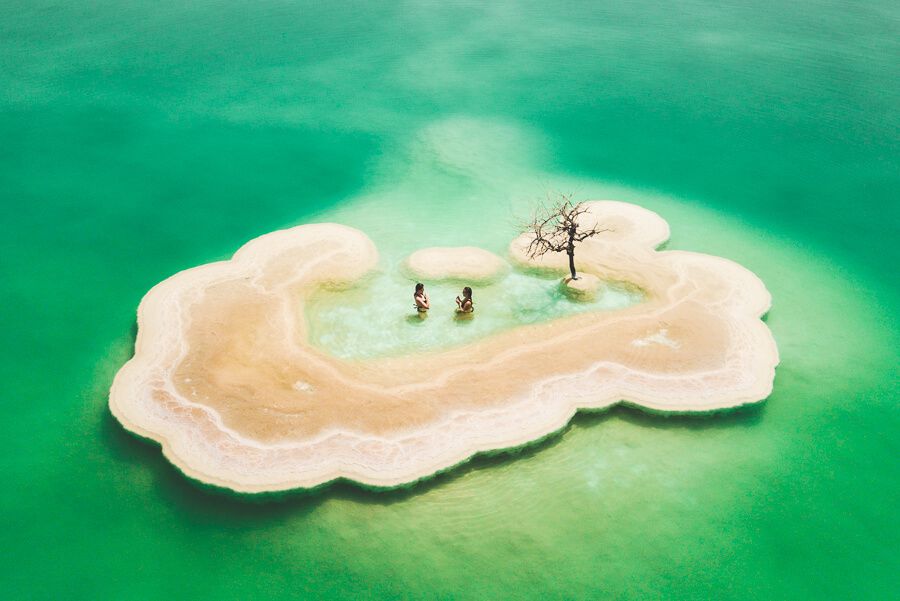
Israel is one of those rare destinations that feels timeless—an intriguing blend of spirituality, history, and natural wonder packed into a land small enough to cross in a few hours, yet vast enough in depth and diversity to fill a lifetime of exploration. From mystical seas that shimmer like liquid silver to age-old holy cities echoing with centuries of prayer and conflict, the country invites you to step into a story that feels both ancient and alive. It’s a place where rugged desert cliffs meet blooming oases, where the smell of sea salt and spice markets blend in the same breeze, and where every stone seems to hold a tale.

Israel is a land that constantly defies expectations. Though modest in size on the world map, its contributions to science, culture, and technology have left an enormous mark on humanity. Nestled at the crossroads of three continents, this small but astonishing country blends ancient history with cutting-edge innovation. It’s a place where sacred cities stand beside modern skyscrapers, and where the desert itself blooms thanks to human ingenuity.

Israel is one of those rare places where history feels alive in every stone, every narrow street, and every stretch of desert. For those fascinated by the ancient world, religion, or archaeology, this small country packs an incredible amount of significance into its borders. Here, stories that shaped entire civilizations unfolded—events central to Judaism, Christianity, and Islam all within a few hours’ drive of each other.

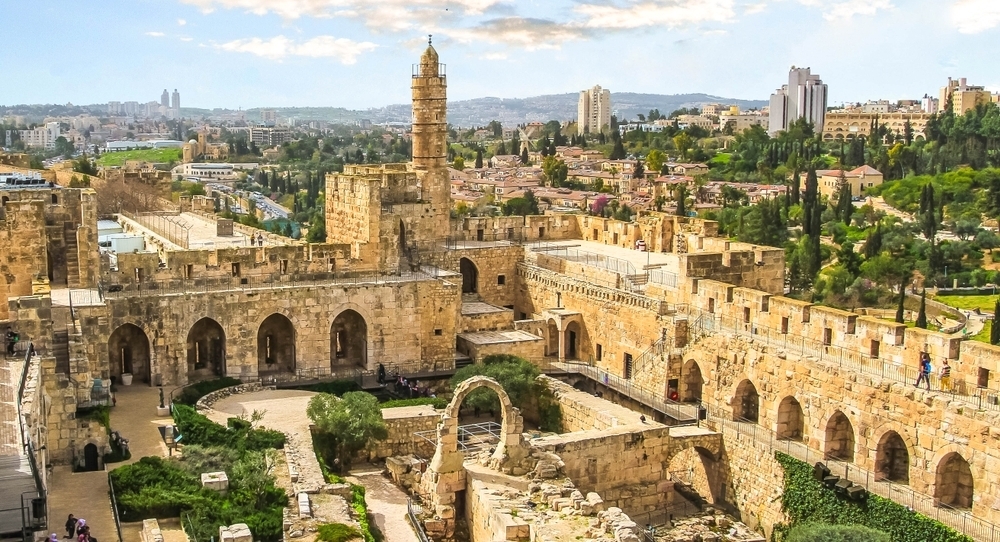
Despite its modest size, Israel’s landscape is dotted with sacred ruins, ancient fortresses, and preserved cities that whisper tales from millennia ago. From Roman amphitheaters and Byzantine mosaics to biblical landmarks and Crusader strongholds, the country is a living museum under the open sky.

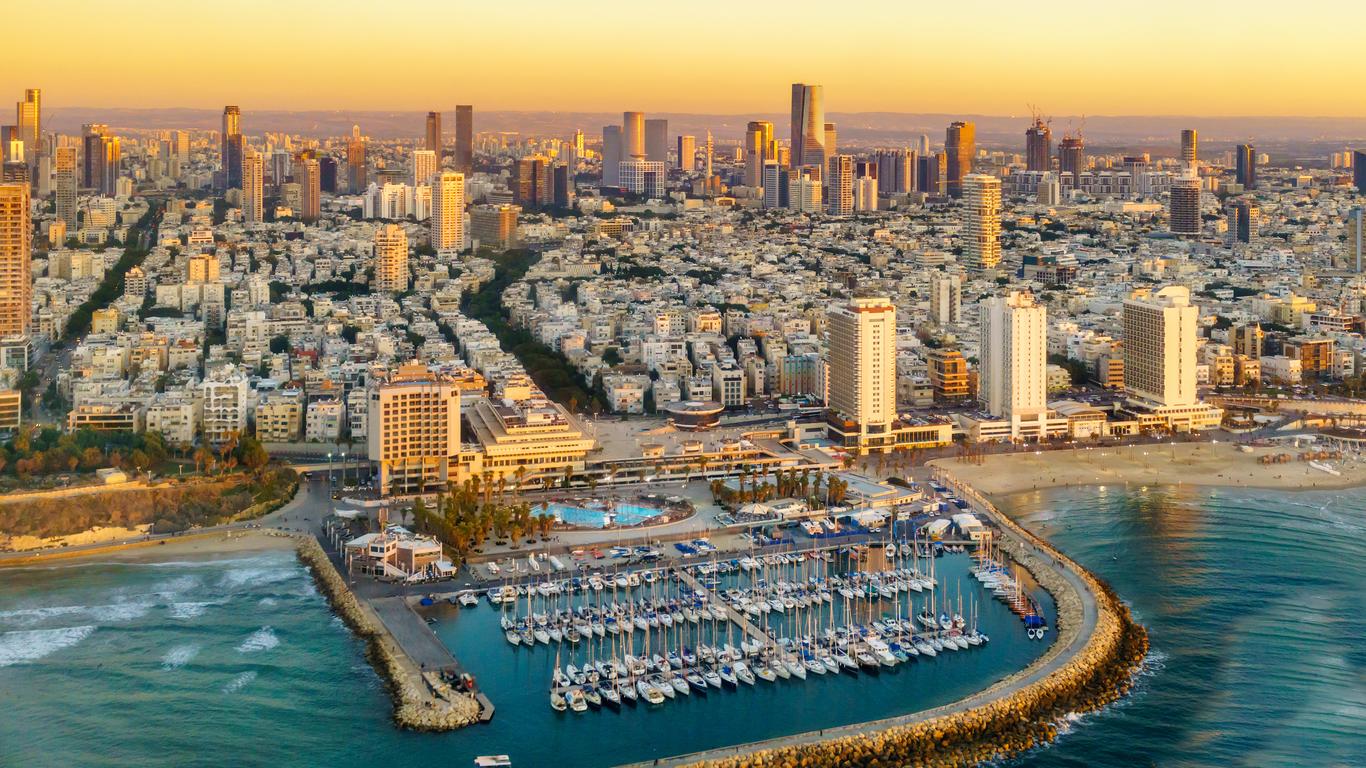
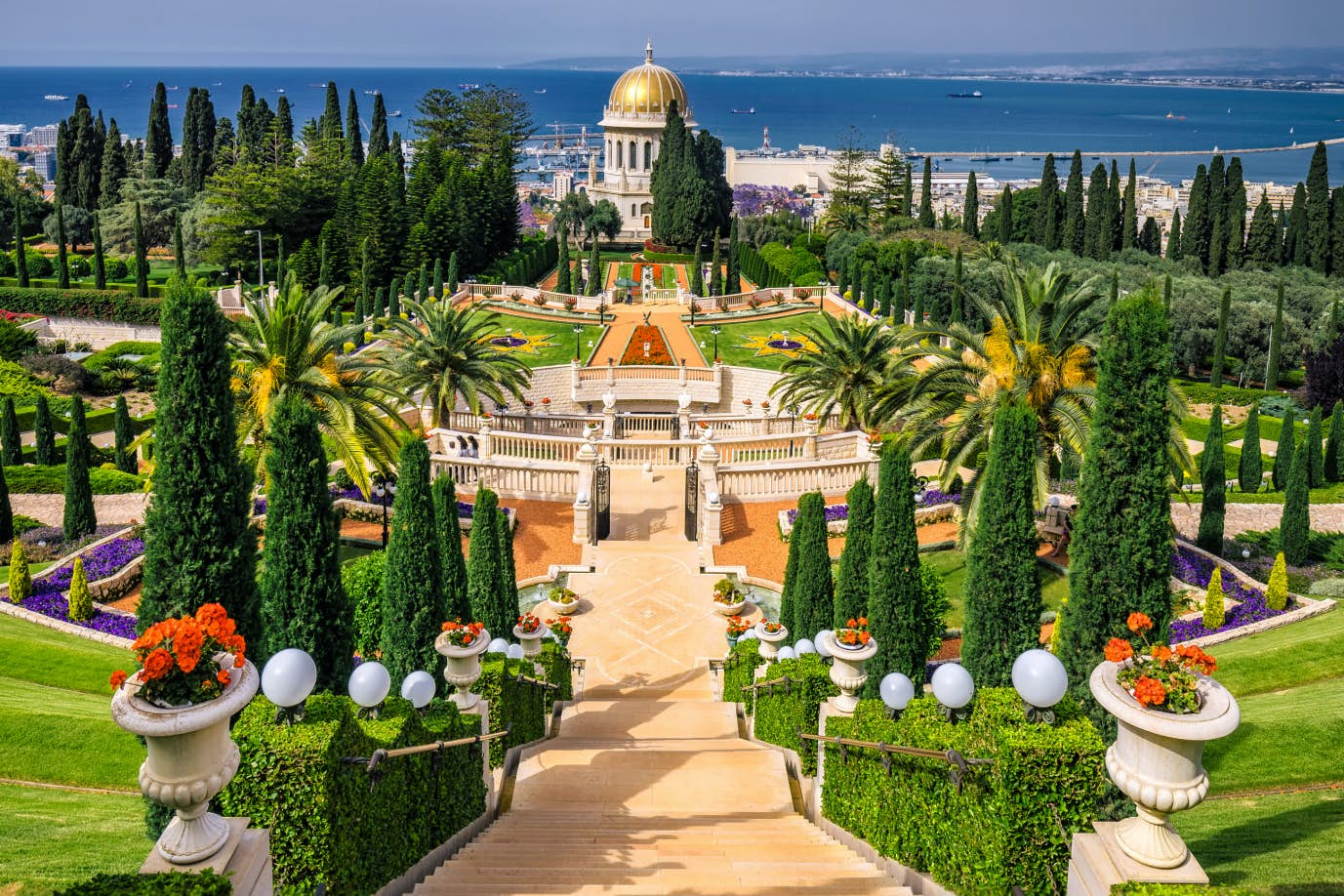
Israel sits along the Mediterranean with a personality far bigger than its borders. For centuries, travelers have come for sacred history and stayed for the variety: warm beaches, desert adventures, nature reserves, and pleasantly travelable weather nearly all year. From the buoyant waters of the Dead Sea to Eilat’s coral-bright Red Sea shoreline, and from Tel Aviv’s coastal buzz to Haifa’s terraces, the country keeps surprising you. The Old City of Jerusalem and the churches of Bethlehem are magnet stops for first-time visitors, but it’s the blend — the ancient and the everyday — that makes the journey feel vivid.

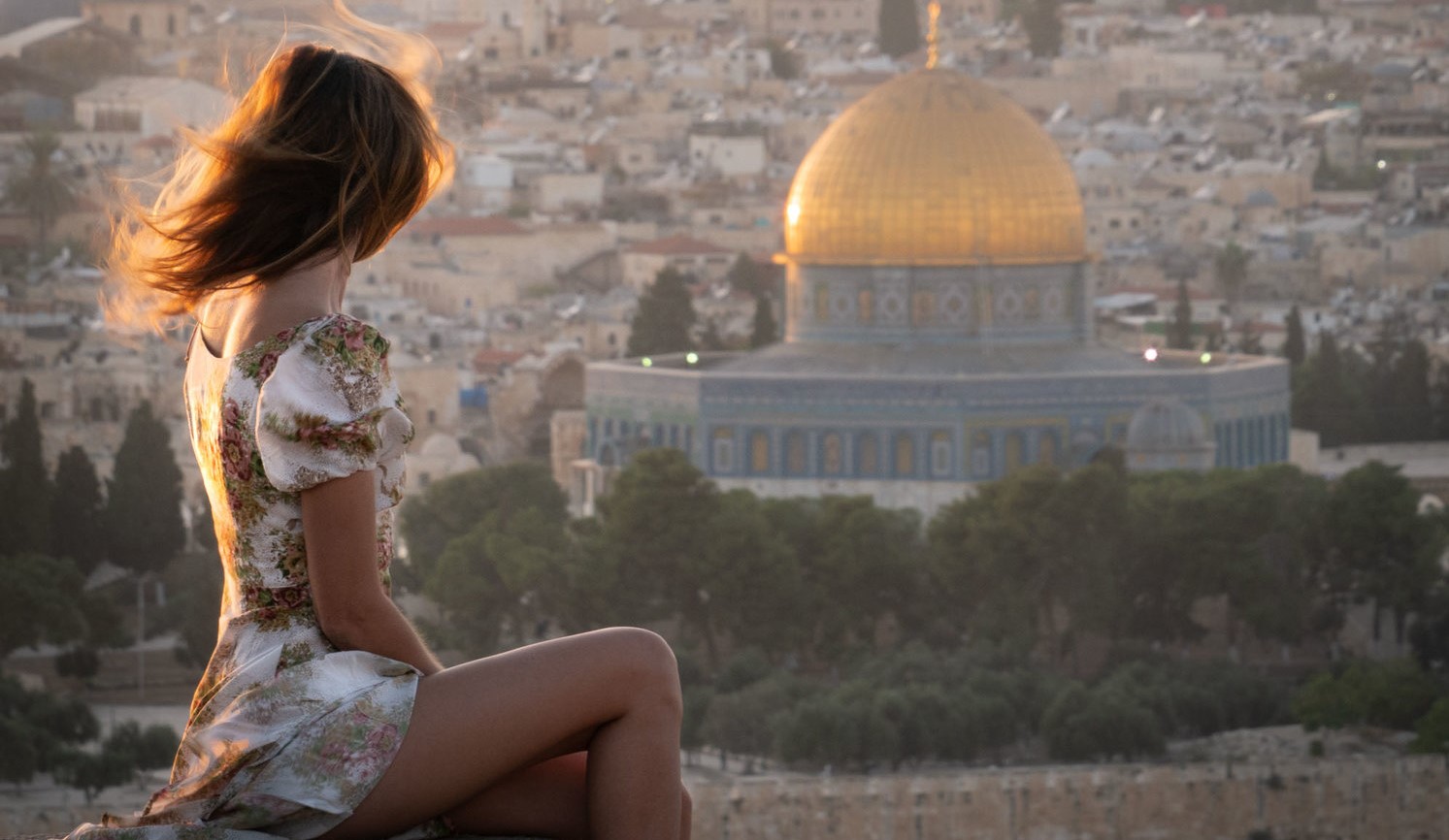
Jerusalem is one of those rare places where every step feels layered with meaning. The city rises over rolling hills of stone and olive trees, and the light that settles over its rooftops gives everything a warm, golden glow. Walking through Jerusalem, you feel a mix of calm and intensity at the same time — monks passing through narrow alleys, children running between market stalls, distant church bells, the call to prayer, and the soft hum of conversations in different languages. It’s a city shaped by faith and history, but it’s also very much alive, full of people going about their daily routines, buying bread, meeting friends, and moving through streets that have been walked on for thousands of years.