A Traveler’s Guide to Common Mistakes to Avoid in Israel

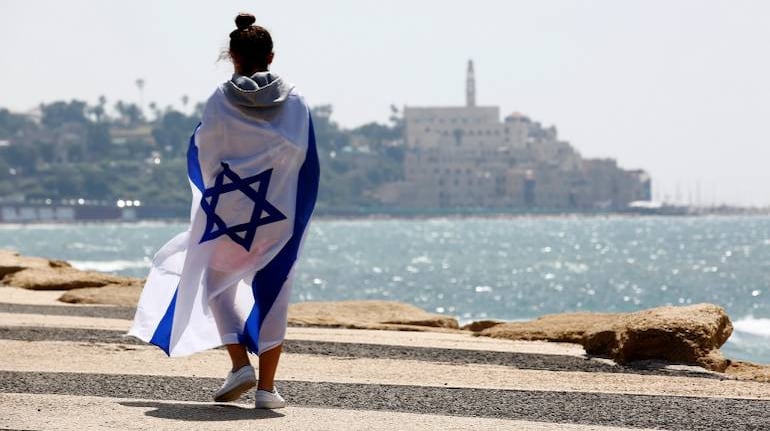
Israel is a country that surprises most travelers — a place where ancient traditions, modern life, and sharply different landscapes meet within very short distances. It’s easy to enjoy the country, but like anywhere with a deep cultural background, there are a few things visitors should avoid if they want their trip to feel smooth, respectful, and stress-free.


Be Respectful in Religious Areas and Sacred Sites

Many of Israel’s most meaningful places are religious — for Jews, Christians, Muslims, and other communities — so your behavior matters more than you might expect.

1. Don’t dress casually in holy places.
Shorts, tank tops, open shoulders, or loud outfits can feel disrespectful. Modest clothing is the safest choice.

2. Don’t take photos without thinking.
At the Western Wall, inside churches, or around worshippers, photography can feel intrusive. Sometimes it’s allowed, sometimes it’s not — always check signs or follow the atmosphere.

3. Don’t be loud or disruptive.
Many visitors accidentally treat holy sites like tourist attractions. Keeping your voice low and your movement calm avoids awkward moments.

4. Don’t ignore Shabbat restrictions.
From Friday sundown to Saturday evening, public transportation slows, shops close, and religious neighborhoods become quiet. Don’t expect normal schedules; plan around it.

Understand Social Norms and Local Sensitivities

Israelis tend to speak directly — warm, friendly, but honest. Understanding the social tone makes conversations smoother.

5. Don’t start political or religious debates.
Locals may talk openly if they initiate it, but jumping into sensitive topics can make situations uncomfortable quickly.

6. Don’t photograph soldiers or checkpoints.
You’ll see soldiers everywhere — at bus stations, malls, or just hanging out in uniform. It’s normal. But photography is often restricted or simply unwelcome for security reasons.

7. Don’t assume every neighborhood follows the same rules.
Tel Aviv is modern and relaxed. Jerusalem’s religious neighborhoods are more conservative. Arab communities, Druze villages, kibbutzim, and Bedouin towns each have their own customs. Don’t generalize the whole country into one culture.

Avoid Practical Mistakes That Affect Your Experience

Tourists often learn these the hard way. A little awareness saves a lot of trouble.

8. Don’t underestimate the Dead Sea.
The water burns if you have cuts, fresh shaving, or if it touches your eyes. And you can’t swim or splash — you float calmly on your back only.

9. Don’t misjudge distance or driving style.
Israel is small, but traffic can be intense and drivers fast. Tel Aviv and Jerusalem aren’t ideal cities for nervous drivers. Using trains, sheruts (shared taxis), or buses is often easier.

10. Don’t treat archaeological sites like playgrounds.
Climbing on fragile ruins, touching old stones, or going off marked paths can damage historical areas — and sometimes it’s illegal.

11. Don’t assume safety rules are the same as other countries.
Security checks at malls, train stations, and public buildings are normal here. Don’t act confused or annoyed — everyone goes through them, and cooperation keeps the system easy.

Travel Smoothly and Enjoy Israel’s Many Layers

Israel rewards travelers who stay open-minded. Once you learn what not to do, everything else becomes easier — wandering the markets of Jerusalem, relaxing on Mediterranean beaches, floating under the sun at the Dead Sea, exploring desert canyons, or enjoying Tel Aviv’s energy late into the night.

These small “don’ts” aren’t meant to restrict you; they simply help you connect with the country more naturally, respectfully, and confidently.
A Look at Dubai’s Evolution and the Megaprojects Shaping Its Future

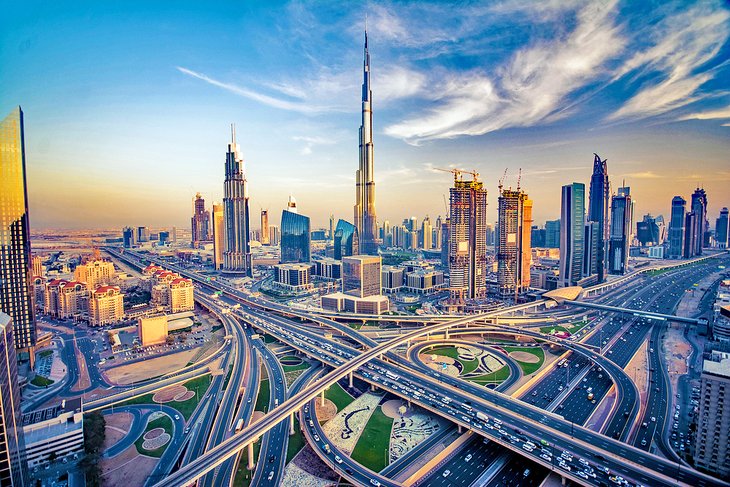
Dubai has reinvented itself more than almost any city in the world. What was once a modest trading port along the Arabian Gulf has grown into a skyline of glass towers, man-made islands, record-breaking engineering, and bold ideas that seem to come straight from the future. Walking through Dubai today, you feel the ambition behind every district — a place constantly shifting, shaping, and re-imagining what a modern city can be.


From Ambitious Beginnings to Global Icons

Dubai’s rise didn’t happen slowly. It unfolded through a series of daring decisions, each one bigger than the last. The early symbol of this ambition was the Burj Al Arab, a sail-shaped hotel rising from its own artificial island. When it opened, it wasn’t just another luxury hotel — it became a statement that Dubai intended to stand out on the world stage.

Then came Palm Jumeirah, a massive man-made island shaped like a palm tree, visible even from space. What seemed like an impossible engineering challenge became a globally recognized landmark and one of the most popular residential and tourism destinations in the region. Its creation also sparked a new wave of coastal development that would continue for years.

To connect the expanding city, Dubai built the Dubai Metro, a sleek, driverless transportation system that cut through the urban sprawl and made commuting across long distances surprisingly easy. It helped tie together neighborhoods, shopping districts, and business hubs that were growing at an incredible pace.

And of course, at the heart of Dubai’s skyline stands the Burj Khalifa, the tallest building on Earth. Whether you look at it from the surrounding fountains or watch it from a distance at sunset, the tower doesn’t just dominate the skyline — it defines the city’s identity. It’s a reminder of how far Dubai has come, and how far it’s still willing to go.

Megaprojects That Shaped the Modern City

As Dubai grew, it didn’t limit itself to the traditional definitions of infrastructure. The city mixed engineering, tourism, culture, and global connectivity into its development.

One major step forward is Al Maktoum International Airport, a project designed with the future in mind. When fully completed, it aims to become one of the largest airports on the planet — a global aviation hub built for a world where travel keeps expanding.

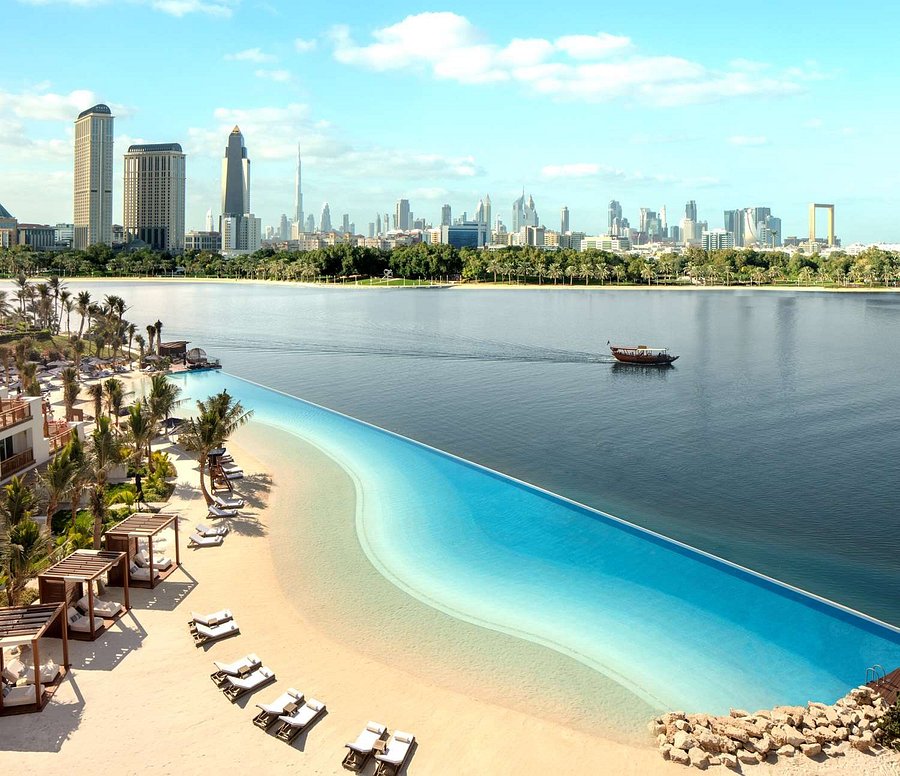
Another eye-catching landmark is the Dubai Frame, a giant architectural frame that represents the city’s contrast between past and present. On one side you see Old Dubai; on the other, the modern skyline. It’s a symbol of how quickly Dubai has evolved, and how it still holds onto the older parts of its story.

Along the coast sits Ain Dubai — often referred to simply as “The Eye.” This giant observation wheel offers panoramic views of the marina, beaches, and towers below. It’s one of the world’s largest of its kind, built to become both an entertainment attraction and a new visual signature for the waterfront.

Rising in the financial district, One Zabeel is another striking project. Two massive towers connected by one of the longest cantilevered structures ever built, it stands as a symbol of cutting-edge design and Dubai’s appetite for architectural experimentation.

Nearby, the Meydan District One development brings together luxury residences, green spaces, and an enormous artificial lagoon. The idea behind this project is to balance urban living with open water and recreation — part of Dubai’s strategy to create lifestyle destinations rather than just neighborhoods.

Looking Ahead: The Vision Behind Dubai’s Future Megaprojects

Dubai’s next chapter is just as ambitious as its past. The upcoming developments focus on sustainability, advanced transportation, and futuristic urban design — all aiming to prepare the city for decades ahead.

A centerpiece of this future vision is Dubai Creek Harbour, a huge waterfront district planned to become one of the most significant urban environments in the region. Its combination of residential towers, nature preserves, marina areas, and cultural venues shows Dubai’s shift toward integrated, livable spaces. The project also includes the plan for a new super-tall tower, designed to become another global landmark.

The city is also pushing investments in renewable energy, smart mobility, expanded metro lines, and sustainable urban planning. Dubai’s future is not just about building larger and taller structures — it’s about building smarter, greener, and more connected environments.


Dubai’s transformation tells a story of relentless ambition. Every major project — from the early icons to the new megastructures rising now — shows a city constantly shaping its identity and reaching for the next milestone. Whether you view it from the desert, the sea, or the top of the world’s tallest building, Dubai continues to evolve, and its future looks just as bold as its past.

Your Essential Guide to Exploring Dubai’s Highlights, Neighborhoods, and Experiences

Dubai is one of those cities that leaves a lasting impression the moment you arrive — a place where futuristic architecture stretches across the desert, traditional markets sit beside luxury malls, and beaches, marinas, and dunes all blend into one unforgettable experience. Whether you come for shopping, adventure, culture, or simply to feel the energy of a city that never stops growing, Dubai delivers more than you expect.


Understanding Dubai’s Layout and Getting Around the City

Dubai can feel overwhelming at first because it’s spread out across long stretches of coast and desert. Looking at a map helps: major districts like Downtown Dubai, Dubai Marina, JBR, Old Dubai, Deira, Jumeirah, and Palm Jumeirah each have their own character.

Most travelers arrive at Dubai International Airport, where getting into the city is surprisingly easy. Taxis are everywhere, but the Dubai Metro is fast, clean, and comfortable — perfect for reaching Downtown, DIFC, the Burj Khalifa, or Dubai Mall. You’ll want a NOL card, which works for both the metro and buses.

Dubai’s modern side appears first: futuristic skylines, polished streets, and lively neighborhoods. But don’t miss the older areas — they reveal the city’s roots long before the skyscrapers arrived.

Exploring Dubai’s Iconic Districts, Beaches, and Night Views

The city offers so many things to do that exploring it feels like moving between different worlds in a single day.

Start with Dubai Marina, a gleaming waterfront lined with restaurants, yachts, high-rise apartments, and walking paths that come alive in the evenings. Right next to it is Marina Beach, where warm Gulf water and long sandy stretches make it perfect for relaxing, swimming, or people-watching. The marina at night is another experience entirely — the reflections of lights on the water, the cruise boats, and the atmosphere make it one of Dubai’s most photogenic spots.

For a contrast, head to Old Dubai and Deira, where the traditional life of the city still beats strongly. Wander through the Souks — the Gold Souk with its glittering displays, the Spice Souk heavy with aromas, and the Textile Souk near Dubai Creek. Cross the water by taking an abra boat ride; it costs almost nothing and feels like stepping back in time. In this area you’ll also find the Dubai Museum, built inside the old Al Fahidi Fort.

A stunning architectural highlight is the Dubai Frame, a massive golden structure that literally frames the old and new sides of the city from its sky bridge. From here, Dubai looks like a shifting timeline — tradition on one side, futuristic innovation on the other.

Downtown Dubai is home to the crown jewel: the Burj Khalifa. Standing below it, you feel how enormous and surreal it really is. The Dubai Mall sits right beside it — one of the largest malls in the world, home to the Dubai Ice Rink, countless shops, restaurants, and the famous dancing fountains.

Another major shopping and entertainment center is Mall of the Emirates, where you’ll find Ski Dubai, the indoor snow park and ski slope — a full winter environment built in the middle of the desert.

Along the coast near Jumeirah, you’ll see the sail-shaped Burj Al Arab, one of the most photographed hotels in the world. The nearby public beaches offer a great view and a relaxing place to spend the afternoon.

Further out lies Palm Jumeirah, the iconic man-made island shaped like a palm tree. At its tip sits Atlantis The Palm, a huge resort with a water park, aquarium, and luxury dining. Whether you stay there or simply visit, it’s one of Dubai’s most popular destinations for families and travelers.

For thrill-seekers, Skydive Dubai offers one of the most dramatic skydiving experiences in the world — jumping above the Palm with the entire city beneath you.

And of course, you can’t visit Dubai without heading into the desert. Dune bashing, camel rides, sandboarding, and traditional cultural camps make for an unforgettable afternoon and evening under the open sky.

If you have extra time, even a day trip to Abu Dhabi is easy — home to Ferrari World, modern museums, and the stunning Sheikh Zayed Grand Mosque.

Where to Stay, How to Move Around, and What to Expect

Choosing where to stay depends on the experience you want.
Dubai Marina / JBR → for beach life, nightlife, and a lively atmosphere
Downtown → close to Burj Khalifa and major attractions
Deira / Old Dubai → for culture, markets, and more budget-friendly stays
Palm Jumeirah → luxury resorts and iconic views

Dubai’s public transportation is efficient, but taxis and ride apps are widely used and affordable. The city is designed for easy movement, even across long stretches.

When it comes to cost, Dubai offers a huge range. Street food and local cafés are affordable, while high-end restaurants can be expensive. Attractions vary too — some are free (beaches, old neighborhoods), while others like observation decks or theme parks come with higher prices.

Before leaving, keep a few practical tips in mind: the heat can be intense in summer, modest clothing is appreciated in traditional areas, and staying hydrated during outdoor activities is essential.


Dubai is more than a city — it’s a blend of extremes: old and new, desert and sea, luxury and simplicity. It’s a place where every neighborhood offers something different, every landmark feels carefully designed, and every day brings new discoveries. With its endless attractions and rich contrasts, Dubai is the kind of destination you experience once and instantly understand why people return again and again.

Traveling through Turkey feels like opening a book where every chapter shifts into a new setting — from busy city streets to calm lakes, turquoise bays, and silent valleys shaped by wind and time. The country is wide, diverse, and full of contrasts, which is exactly why a well-thought-out route makes the entire experience richer and smoother.

2 Week Adventure travel Guide for traveling Turkey

If you want a journey that moves from culture to coastline to nature without feeling rushed, the best approach is to let each region show you its own personality. Turkey is very easy to travel through, and with a bit of planning, you can enjoy everything slowly, naturally, and without stress.


Starting in Istanbul

Istanbul is usually the first stop, and it’s a great introduction to the country’s mix of old and new. Walking through the Grand Bazaar is something every traveler should experience at least once — the maze of stalls, the glow of hanging lamps, the smell of spices, and the sound of bargaining all blend into one unforgettable atmosphere. Around the bazaar, it’s easy to wander into narrow streets filled with shops, tea houses, hidden courtyards, and suddenly find yourself in the middle of a local conversation.

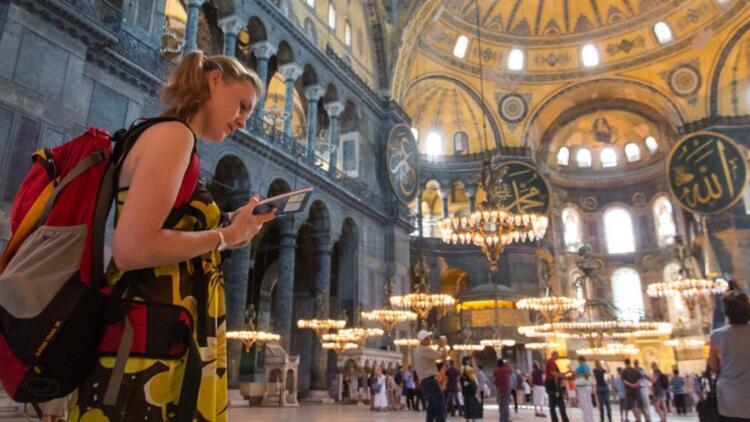
A short walk away, the historical district gives you Hagia Sophia, the Blue Mosque, and Topkapi Palace. Even if the rest of your trip is focused on nature and adventure, spending time in Istanbul adds meaning to everything that comes after. It’s a place where you can feel the layers of history beneath your feet.


From Coastline Adventures to Inland Wonders

Leaving Istanbul and flying south to Fethiye changes the entire mood of the trip. The coastline here is bright, open, and peaceful. Paragliding above Ölüdeniz is one of the most memorable things you can do in Turkey — you launch from Babadağ Mountain, the air cools around you, and suddenly you’re drifting over a deep blue lagoon with nothing but silence and wind. Even travelers who don’t consider themselves adventurous often say it becomes one of the highlights of their entire trip.

After spending time by the water, heading inland toward Pamukkale shows a completely different side of the country. The white terraces look almost unreal, like steps carved from snow. Walking barefoot along the warm pools feels simple and calming, and right above them, the ancient city of Hierapolis spreads across the hill. It’s easy to imagine what life looked like here thousands of years ago as you explore the large amphitheater and the ruins scattered across the fields.

A short drive from Pamukkale takes you to Lake Salda — a quiet, blue lake often compared to tropical beaches because of its white mineral-rich shore. It’s peaceful, almost untouched, and perfect for travelers who want a soft pause between more active destinations.


Antalya and the Calm of the Mediterranean

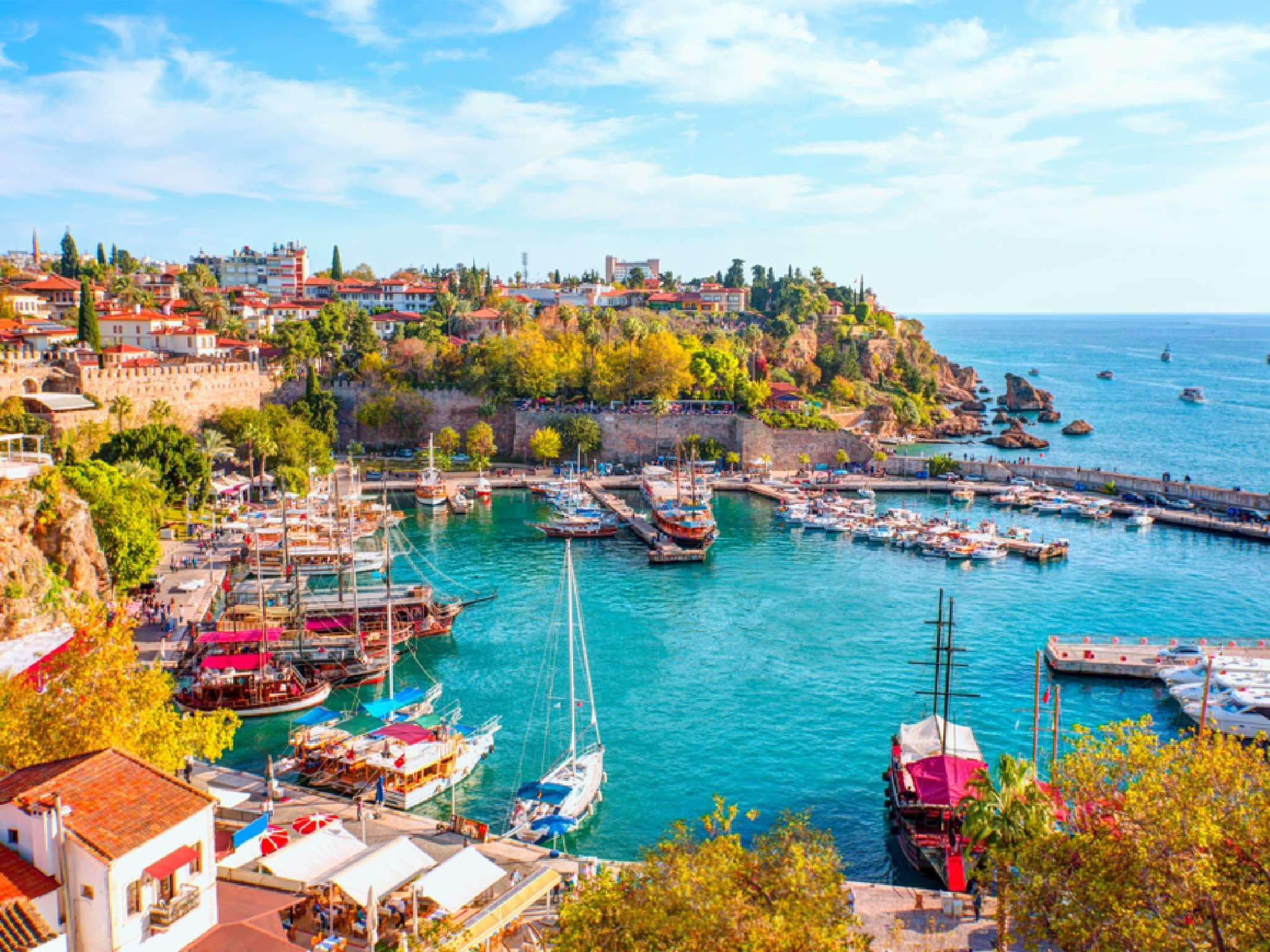
From the inland region, moving toward Antalya brings the sea back into your trip. The Old Town (Kaleiçi) is one of those places where you don’t need a plan — you just wander and let the city reveal itself. Narrow cobblestone paths, old wooden houses, stone arches, small cafes, and a marina at the edge of it all. It’s the kind of area where you stop for tea, watch people pass by, and feel your body slow down naturally.

Antalya is also a good place to reset your energy before the final part of your trip, especially if you enjoy warm evenings, sea views, and a relaxed coastal atmosphere.


Ending the Journey in Cappadocia

Finishing the trip in Cappadocia feels like turning the page to the most magical chapter of the story. The landscape is unlike anything else — tall rock formations, deep valleys, cave houses, and soft colors that change from sunrise to sunset.

The hot air balloon ride is iconic for a reason. Watching dozens of balloons lift into the sky while the first light touches the valleys is something you remember long after you go home. Staying in a cave hotel makes the experience even more unique; the thick stone rooms, warm lighting, and rooftop views create a sense of calm and connection to the land.

Horseback riding through the valleys is another gentle way to explore. The silence of the trails, the slow movement, and the shapes of the rocks around you create a peaceful mood that contrasts beautifully with the busy start of your trip in Istanbul.


Turkey is a comfortable country to travel through, whether by bus, car, or short domestic flights. Spring and autumn offer the best weather, and English is commonly spoken in the main tourist areas. But what truly shapes your journey isn’t the transportation or the schedule — it’s the small details: street cats curled up in sunlit corners, locals offering tea, the smell of fresh bread in the mornings, and the quiet moments on the road between each destination.

A Traveler’s Guide to the Essential Istanbul Experience

Istanbul is one of those rare cities that feels alive in every direction you turn — ferries crossing between two continents, old markets echoing with voices, narrow lanes filled with the smell of roasted chestnuts, and minarets rising into the sky. Exploring it isn’t about following a strict checklist; it’s about getting lost in moments and discovering the rhythm that has shaped this place for centuries.

The following suggestions aren’t just places to see; they’re experiences that help you understand the city’s soul — the history, the chaos, the food, the views, and the gentle quiet moments that sneak up between all the excitement.


Start with the Landmarks That Shape Istanbul’s Identity

Begin your journey in the historic heart of the city. This area, full of iconic monuments, tells the story of empires and civilizations that ruled for thousands of years.
Wandering between Hagia Sophia, the Blue Mosque, and the massive stone passages of the Basilica Cistern is like walking through chapters of world history layered one on top of another.

Take your time here. Sit on the benches facing Hagia Sophia, listen to the echoes in the cistern, and observe visitors from every corner of the world gathering in the same square. These landmarks ground you in the essence of Istanbul before you dive into its modern rhythm.

Let the Markets Pull You In

One of the best ways to feel Istanbul is by getting lost inside its markets.
The Grand Bazaar is a world of its own — thousands of shops, endless halls, carpets, leatherwork, ceramics, spices, lanterns, and conversations happening in every direction. The energy is intense but strangely warm. Shopkeepers call out, tourists bargain, and the whole place hums like a heartbeat.

Not far away, the Spice Market shifts the mood. The air is heavier with aroma — saffron, mint, pepper, Turkish delight, dried fruits. It’s more colourful, more fragrant, and a little easier to navigate. Walk slowly, sample something sweet, and talk to the vendors who seem genuinely happy to explain every spice on the shelf.

These markets aren’t just for buying things — they’re a living part of the city, a tradition that continues every single day.

Cross Continents on the Bosphorus

No visit to Istanbul feels complete without stepping onto a ferry and drifting across the Bosphorus.
It’s one of the simplest and most meaningful experiences in the city: sitting outside on the deck, feeling the cool wind, watching seagulls glide alongside the boat, and seeing palaces, neighborhoods, and mosques pass by on both shores.

The moment you step from Europe onto the Asian side of Istanbul, the atmosphere changes. Streets become quieter, cafés feel more local, and the pace slows down. Kadıköy and Üsküdar are perfect neighborhoods for wandering, stopping for tea, and getting a glimpse of everyday life outside the tourist areas.

Take the ferry again at sunset if you can — the light falling behind the skyline is unforgettable.

Taste the City and Look for the Small Moments

The food in Istanbul is not just “something to try” — it’s part of the culture.
Don’t limit yourself to restaurants. Try:
• Simit from a street cart
• Freshly grilled fish near Galata Bridge
• A cup of strong Turkish tea by the water
• Baklava that melts the moment you taste it

For atmosphere, spend time around Galata Tower, where narrow stone streets lead to rooftop terraces with views that stretch across the whole city. Walk through Karaköy, full of modern cafés and small boutiques, or climb up to a viewpoint where the entire city opens up beneath you.

Sometimes the most memorable moments aren’t big attractions — they’re a quiet corner café, an unexpected conversation, or watching ferries move slowly over the water as the city lights turn on.

Istanbul is a city that rewards curiosity. You don’t need to rush or force anything — simply follow the flow and explore freely into the heart of the city.

A Look Into Egypt’s Most Fascinating and Unusual Archaeological Finds

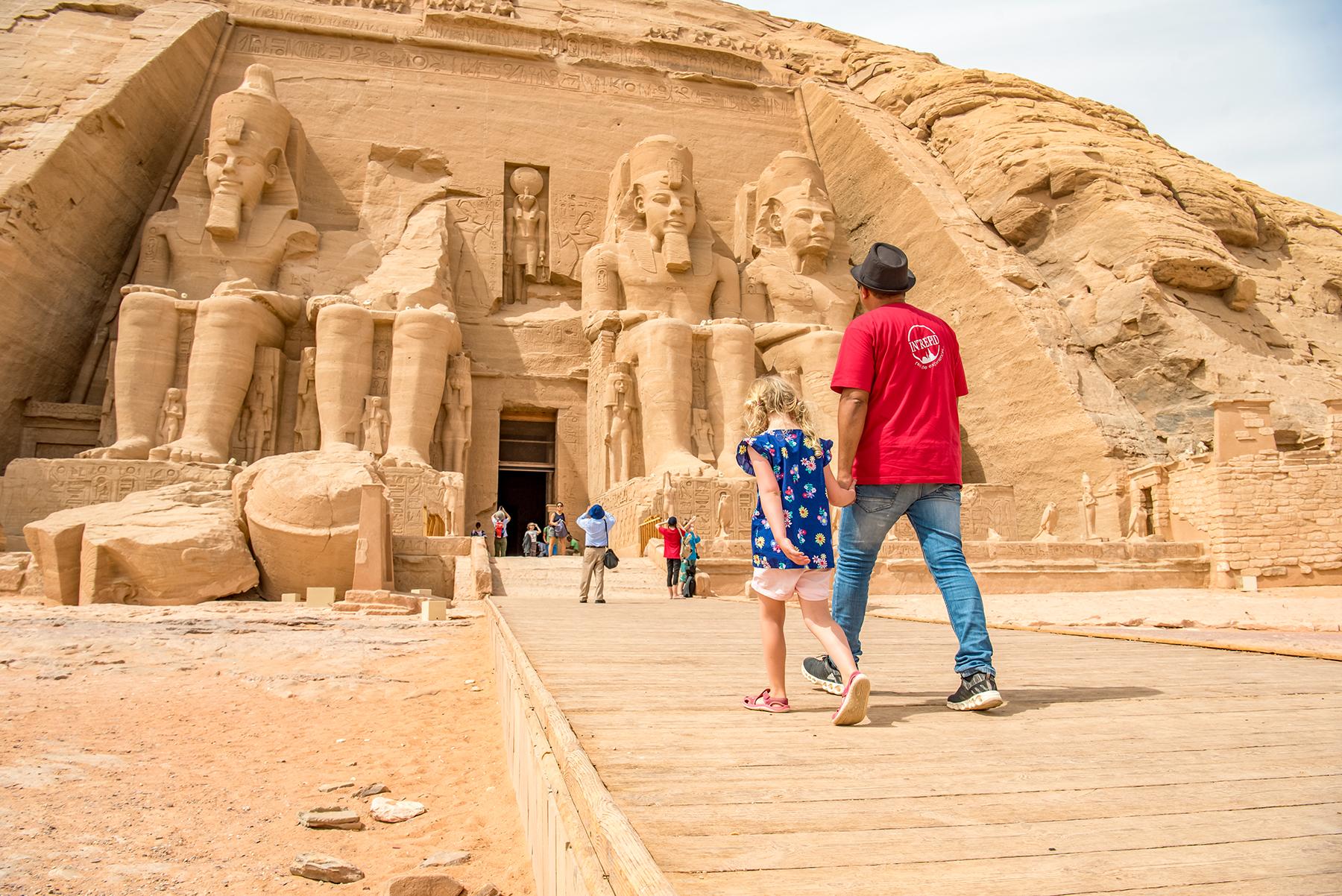
Egypt is famous for its pyramids, mummies, and monumental temples — but beyond the iconic sites, archaeologists keep uncovering things that are far stranger, more unexpected, and sometimes downright mysterious. From sealed tombs hidden under sand for millennia to bizarre artifacts that don’t fit neatly into any known ancient tradition, Egypt continues to reveal stories that feel almost unbelievable.


Buried Mysteries and Tombs That Shouldn’t Exist

Every year, new tombs appear in places scholars thought were already fully explored. Some of the strangest discoveries come from burial sites that break every rule we thought we understood.

Archaeologists have opened chambers filled with painted wooden coffins stacked like a vertical puzzle — untouched for thousands of years, the colors still vivid. In other sites, they’ve found burials with unusual combinations of objects, like mummified animals placed around a human coffin, hinting at rituals not documented in any known text.

There was even a recent discovery of sealed sarcophagi with unusual resin mixtures, creating a sweet, almost perfume-like scent when opened — a detail that shocked researchers who expected decay instead of fragrance.

These tombs show that ancient Egyptians experimented with beliefs and burial practices more than we ever imagined.

Artifacts That Challenge What We Thought We Knew

Egypt doesn’t just reveal tombs — it offers up objects so unusual that researchers debate their purpose for years.

Some discoveries include strangely carved statues with facial proportions not typical of Egyptian art, as if sculpted by a different cultural influence. Others involve mysterious ceremonial tools, made from rare materials and decorated with symbols that have no clear meaning in current hieroglyphic dictionaries.

One particularly odd find was a collection of miniature boats buried far from any Nile waters, possibly used in spiritual rituals we still don’t understand. Another was a set of scarabs carved from unknown mineral mixtures, unlike anything found in other dynasties.

Each new object opens a door into questions rather than answers.

Structures and Hidden Places That Defy Expectations

Egypt’s strangest discoveries aren’t always tiny relics — sometimes they’re enormous, unexpected structures hidden beneath the ground.

In several desert regions, archaeologists detected subsurface anomalies that led them to forgotten temples, oddly shaped chambers, and passageways with architectural styles not seen in mainstream Egyptian design. Some appear misaligned with traditional celestial orientations, suggesting they were used for local or secret rituals.

In remote areas along ancient trade routes, researchers have uncovered rock inscriptions showing ships, animals, and symbols from foreign cultures that had never been associated with Egypt before. These carvings hint at contact with travelers or merchants long before official records mention those connections.

There are even theories of hidden rooms inside the Great Pyramid, based on recent scanning technologies — still unconfirmed, but intriguing enough to keep experts digging deeper.

Mummies, Animals, and Rituals That Feel Almost Otherworldly

Perhaps the most widely reported strange discoveries involve mummies — not just human ones, but creatures preserved with extraordinary care.

Recent excavations revealed entire animal cemeteries, containing mummified cats, crocodiles, falcons, and even snakes. But the oddest findings are hybrid burials where certain animals were arranged around a human body, suggesting symbolic meanings lost to time.

In one excavation, researchers found a mummy whose brain was unusually preserved, unlike others from the same era. In another, coffins contained incomplete remains, arranged in symbolic patterns rather than anatomic order.

These finds challenge everything we thought we knew about ancient Egyptian spirituality, medicine, and rituals for the afterlife.

Egypt is a country where every dig feels like opening a new chapter in a book that refuses to end. These strange discoveries  remind us that Egypt’s ancient world was far more complex, experimental, and mysterious than the familiar postcard images suggest.